Results of Forum Russie-Libertés 2026 : « The World After? »
Building Responses to War, Authoritarianism and the Challenges of Tomorrow
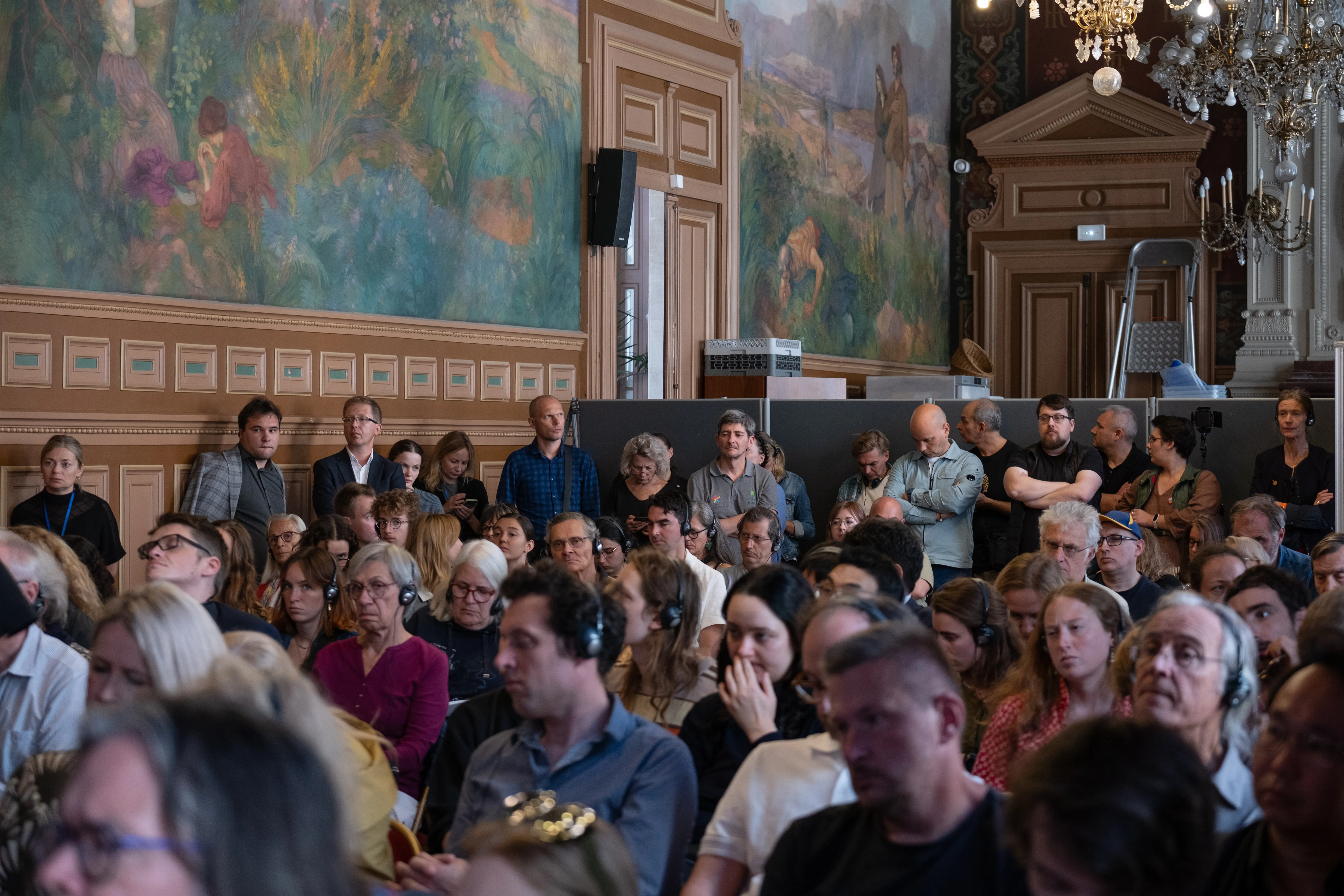
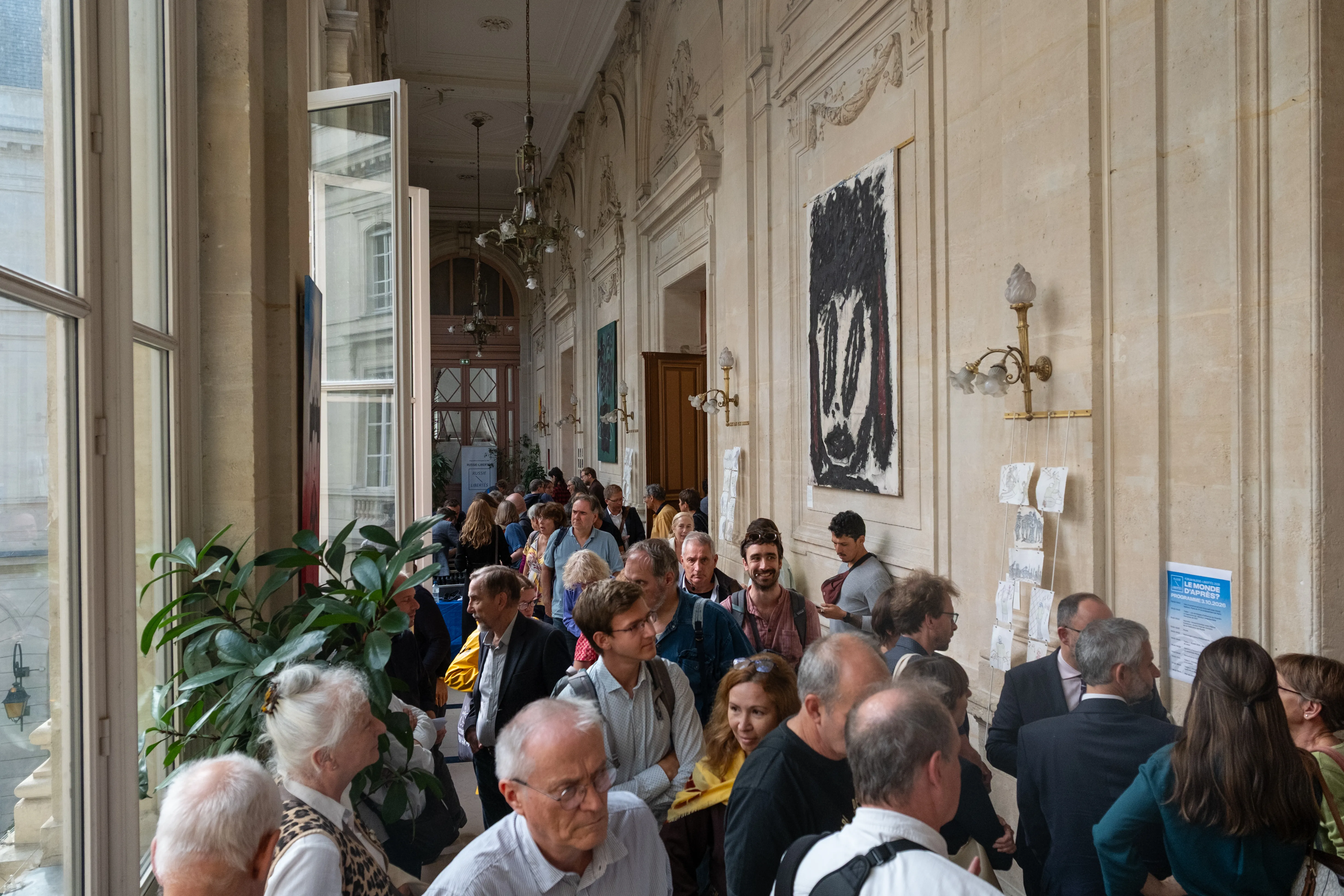
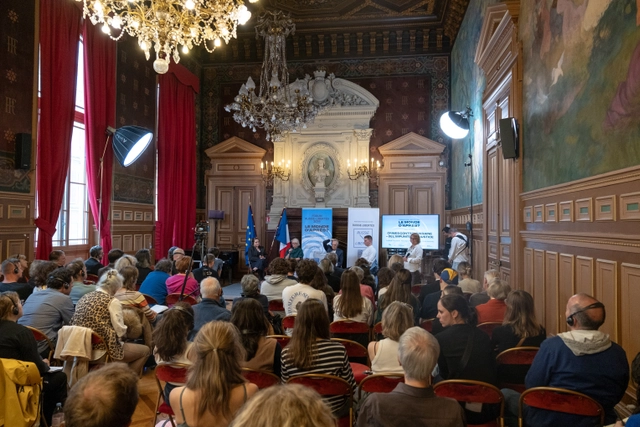
On 3 October 2026, the Town Hall of Paris’s 11th Arrondissement hosted the annual Russie-Libertés Forum, entitled this year « The World After? ». The event brought together Russian democratic opposition forces, international experts and civil society representatives to discuss the future of democracy and European security.
After more than four years of Russia’s full-scale war against Ukraine, the Forum provided an opportunity for collective reflection on the conditions for a just and lasting peace, Russia’s democratic future and the challenges facing Europe.
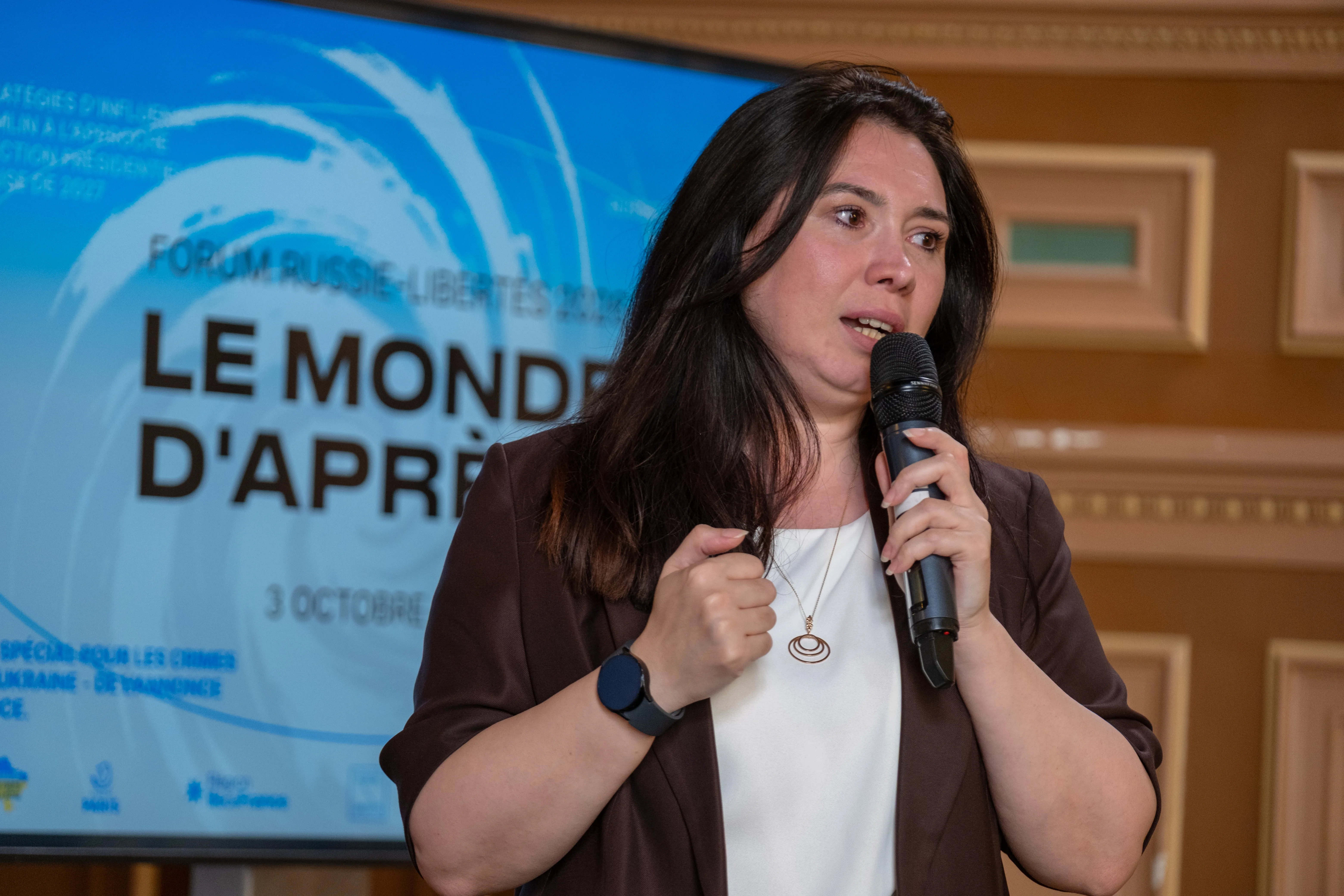
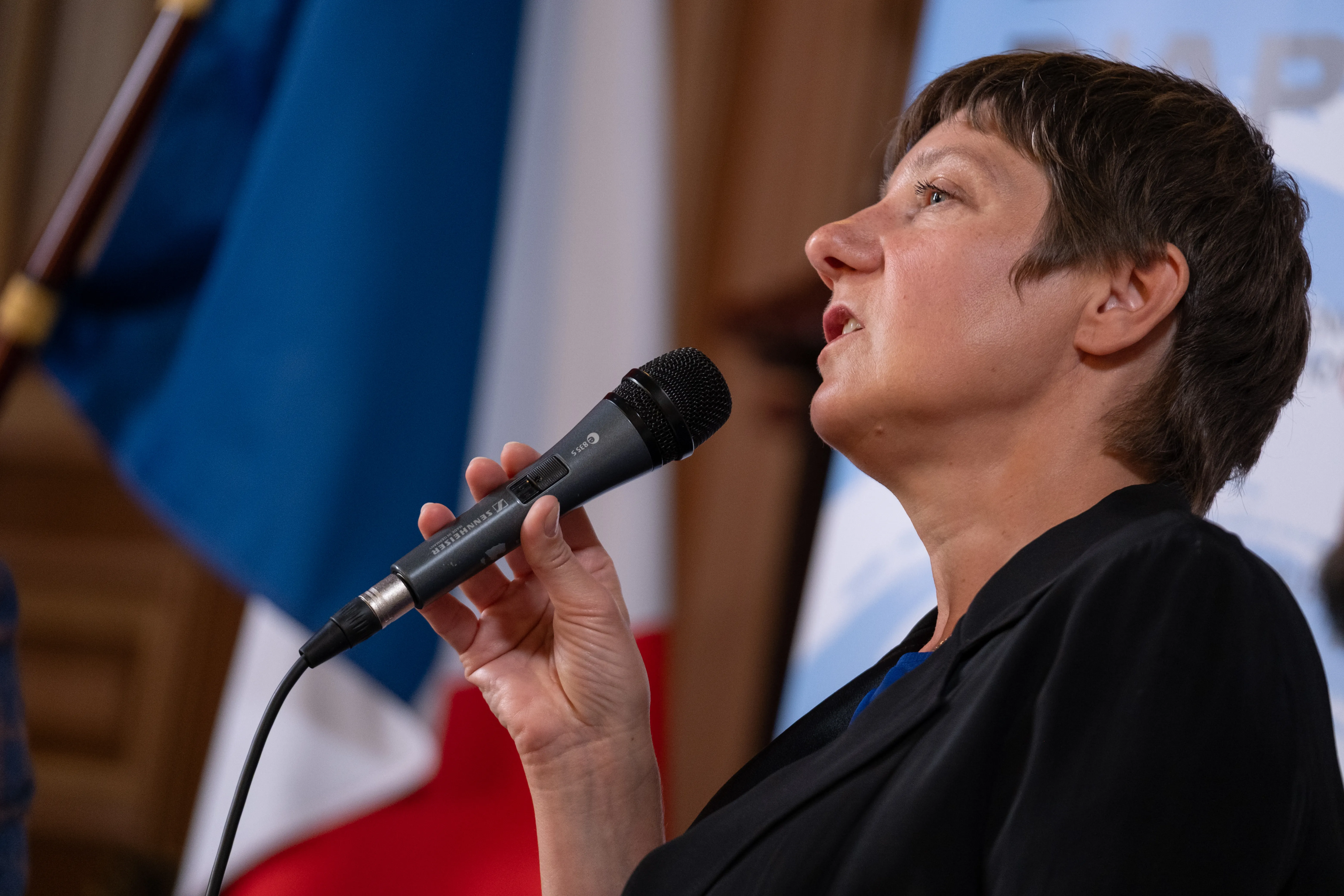
In her opening remarks, Zalina Stève, president of Russie-Libertés, eflected on the meaning of the Forum’s title, « The World After? » :
« The question mark in the title of our Forum is not a sign of uncertainty. It is an invitation to reflect on the consequences. »
She emphasized that the conditions under which the war against Ukraine ends will have a lasting impact on the future of European security. She called on Russian democratic forces to move beyond simply opposing the regime and develop a political vision for the future :
« What democratic Russia stands for must become more important than what it fights against. »
Referring in particular to the dire situation of Ukrainian civilians living under Russian occupation in Oleshky, she stressed the need to turn awareness of crimes and expressions of solidarity into concrete action :
« Today, knowing is no longer enough. Awareness must lead to action. »
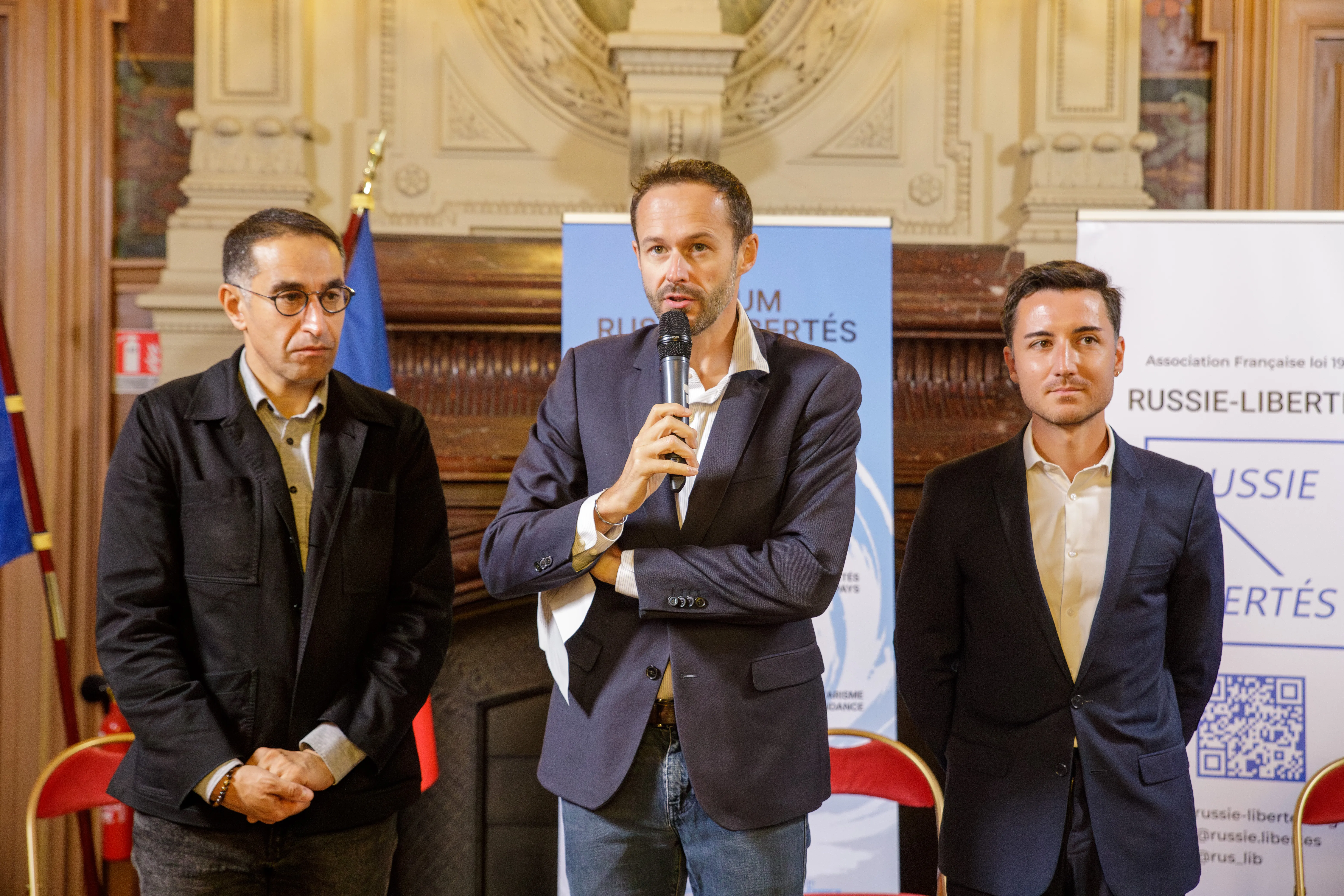
David Belliard, Mayor of Paris’s 11th Arrondissement, accompanied by Kassim Bouhou, aDeputy Mayor responsible notably for remembrance, and Paul Cruz, arrondissement councillor delegated to human rights, praised the essential role of Russie-Libertés and l’Espace Libertés | Reforum Space Paris in welcoming and supporting Russian exiles. Recalling his arrondissement’s tradition of welcoming political refugees, he reaffirmed the municipality’s commitment :
« We will fight, and we will continue to fight with all our strength […] to create safe havens, spaces of freedom, spaces for discussion, exchange and debate. »
Replay
Points forts du Forum
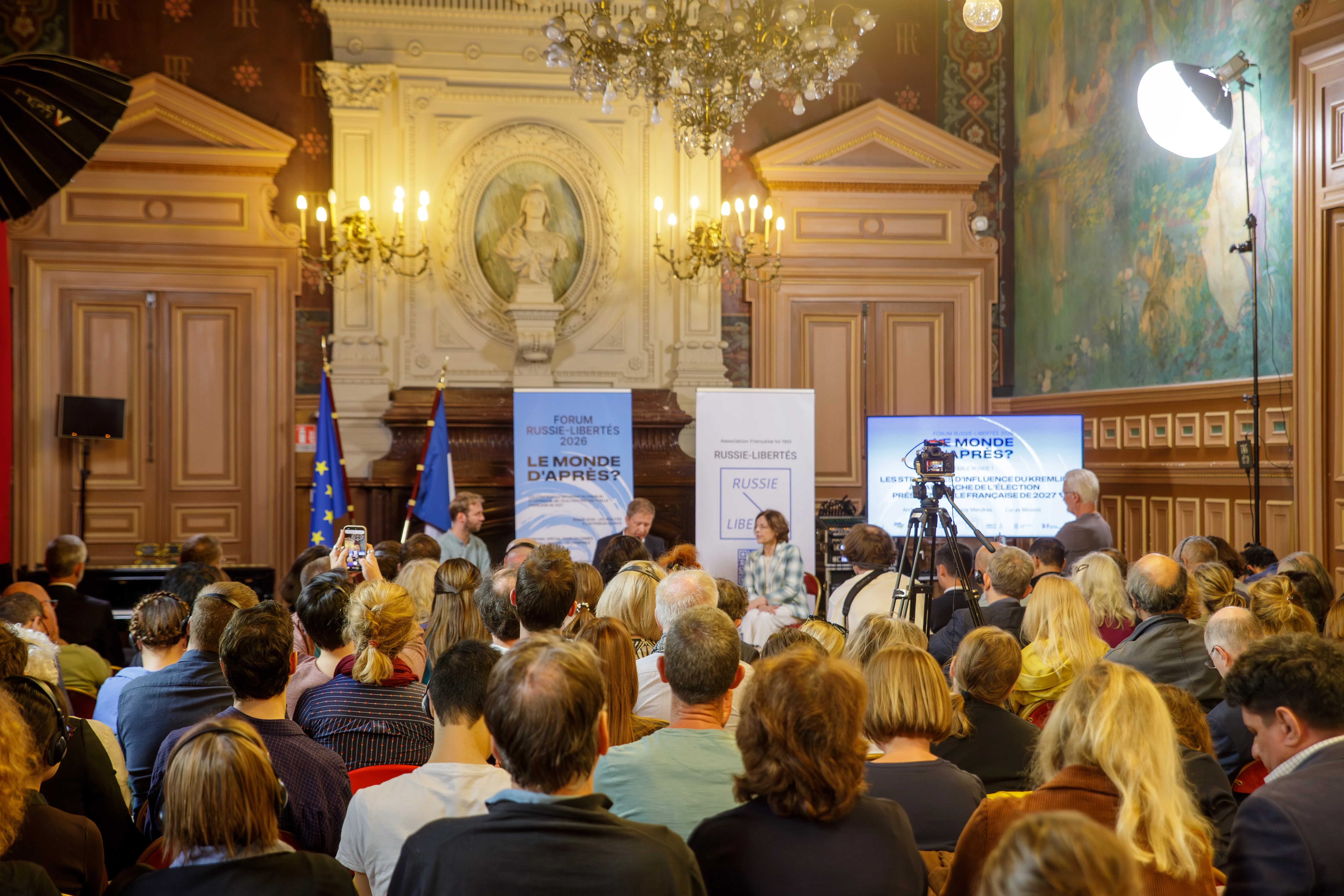
Table ronde 1 : Les stratégies d’influence du Kremlin à l’approche de l’élection présidentielle française de 2027
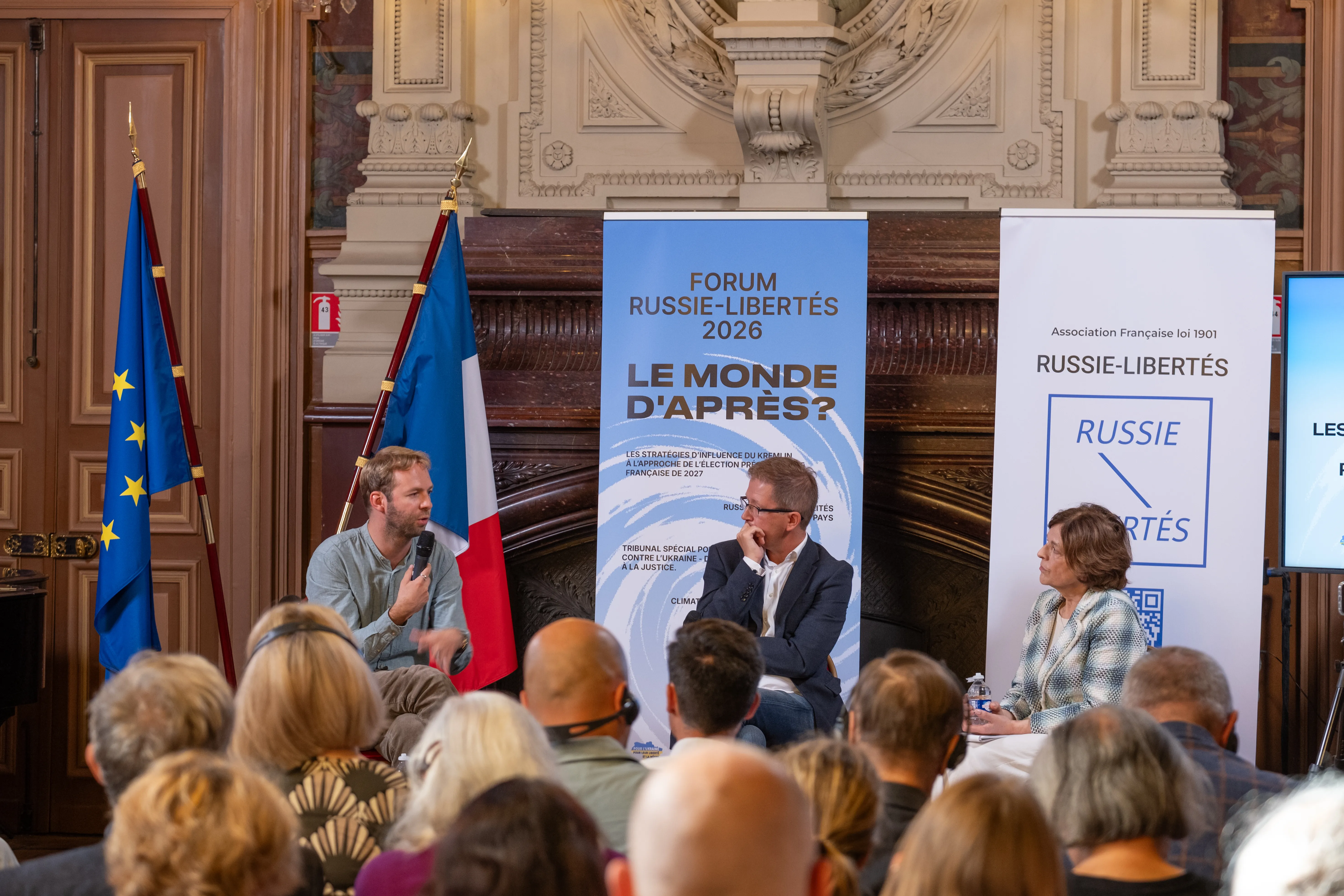
The first roundtable, moderated by Marie Mendras, political scientist and Russia specialist, focused on the Kremlin’s interference strategies in Europe and the threats they pose to French democracy ahead of the 2027 presidential election.
Andreï Soldatov, investigative journalist and co-founder ofAgentura.ru, analyzed the evolution of Russian sabotage operations, particularly the recruitment of intermediaries online to carry out destabilization activities across Europe.
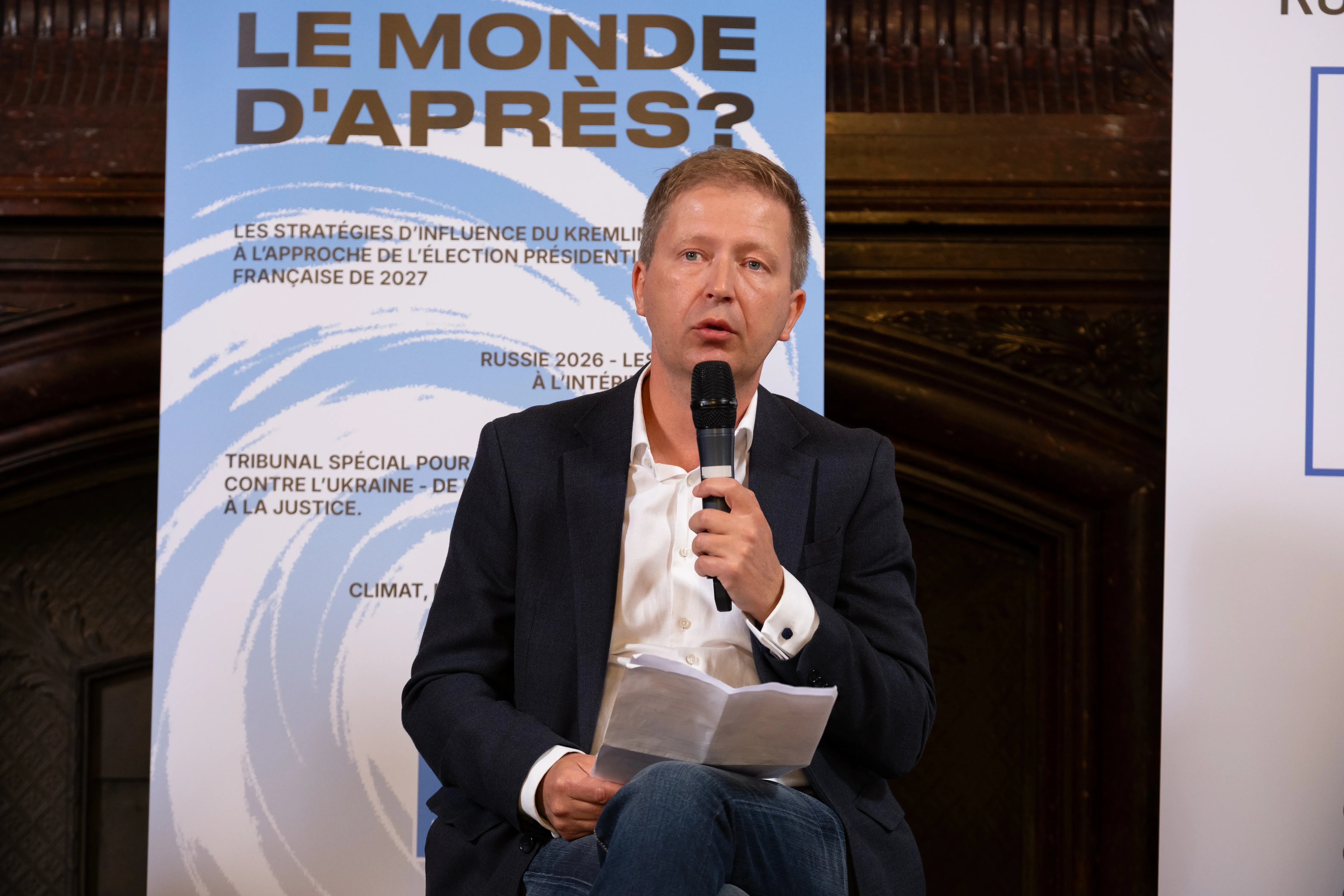
« The series of attacks we are witnessing are not isolated incidents. They are part of a campaign conducted on behalf of the intelligence services across Europe, including France. […] The aim of this strategy is not merely intimidation. »
Lucas Minisini, journalist at Monde, discussed his investigations into Russian military intelligence networks and the risks of interference in French public debate and the 2027 presidential election.
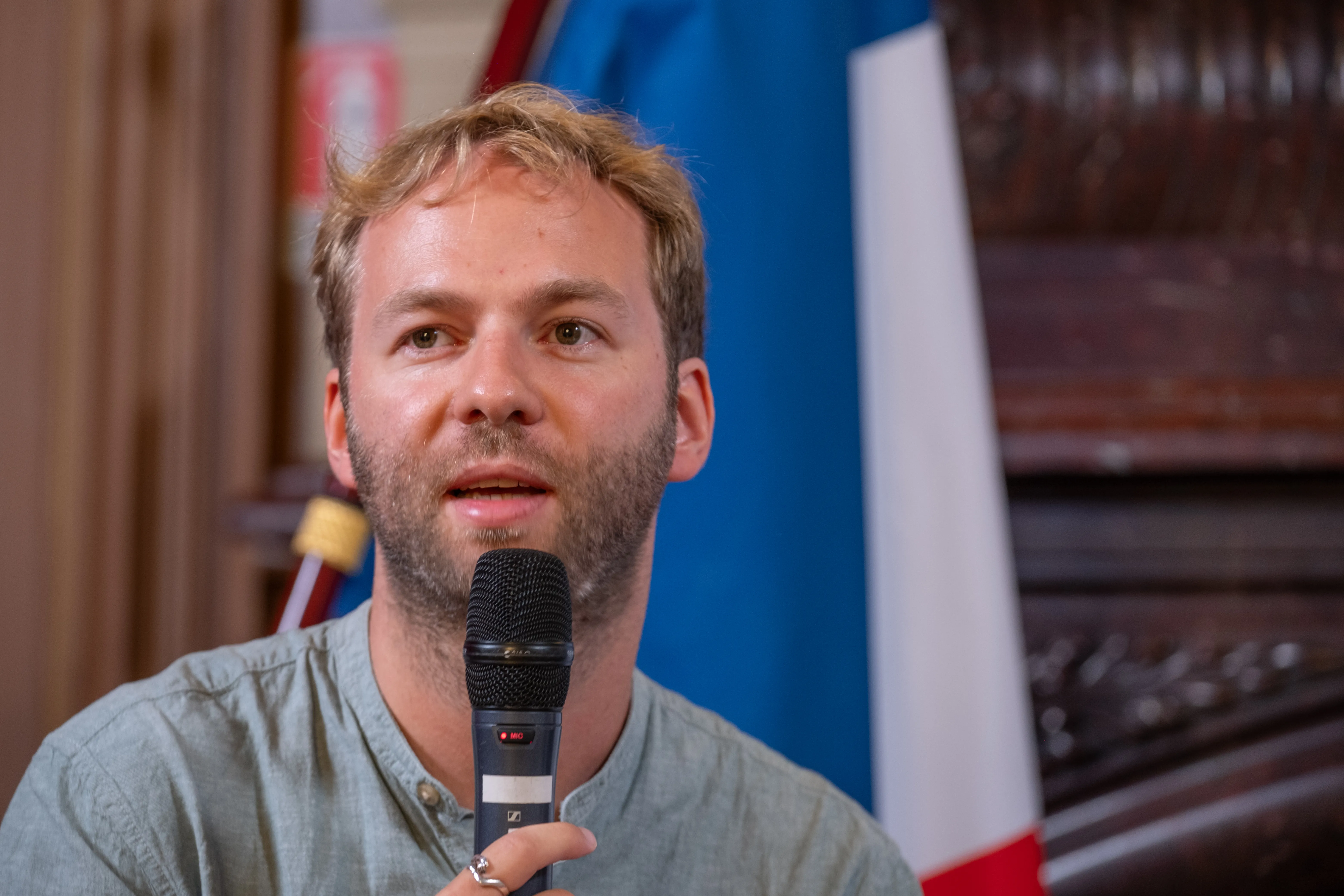
« This is an issue that concerns all the candidates and is taken very seriously. We can see that even at the French government level, organizations such as VIGINUM […] are constantly recruiting and growing in importance and expertise. It is therefore a central issue in this election. »
Marie Mendras emphasized the need not to underestimate the nature of this confrontation and called for a stronger European response to the Kremlin’s destabilization strategies.
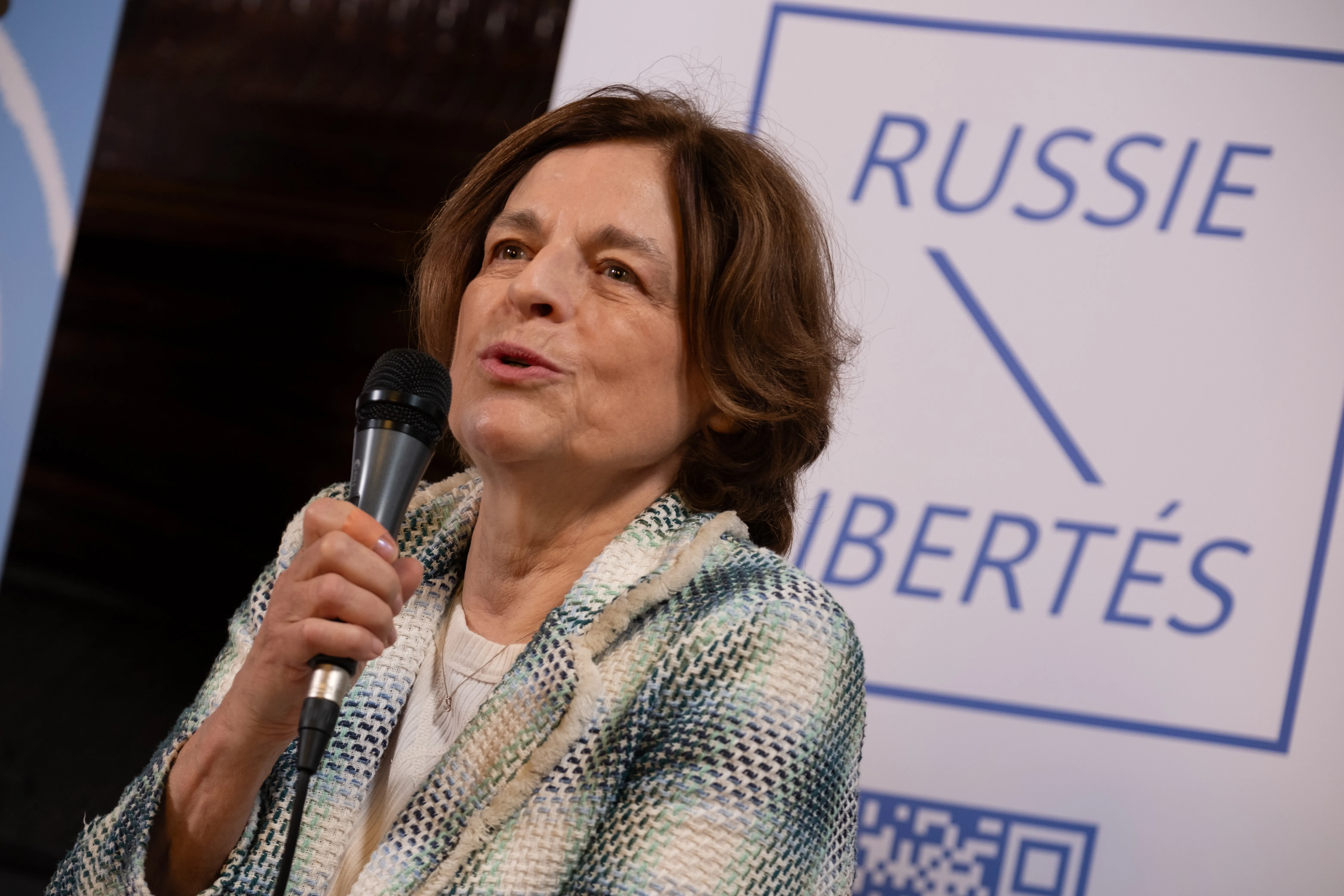
« We are also in a context of war, and all Europeans, particularly taxpayers, are contributing to supporting Ukraine. It therefore seems quite urgent to me that we develop more effective methods than simply hoping that, at some point, these operations will become counterproductive for the Kremlin.. »
The participants called for stronger mechanisms to detect these operations, expose them publicly and strengthen European democracies’ ability to respond.
Replay
Grand Interview with Mikhail Kasyanov: Scenarios for Russia and Europe ?
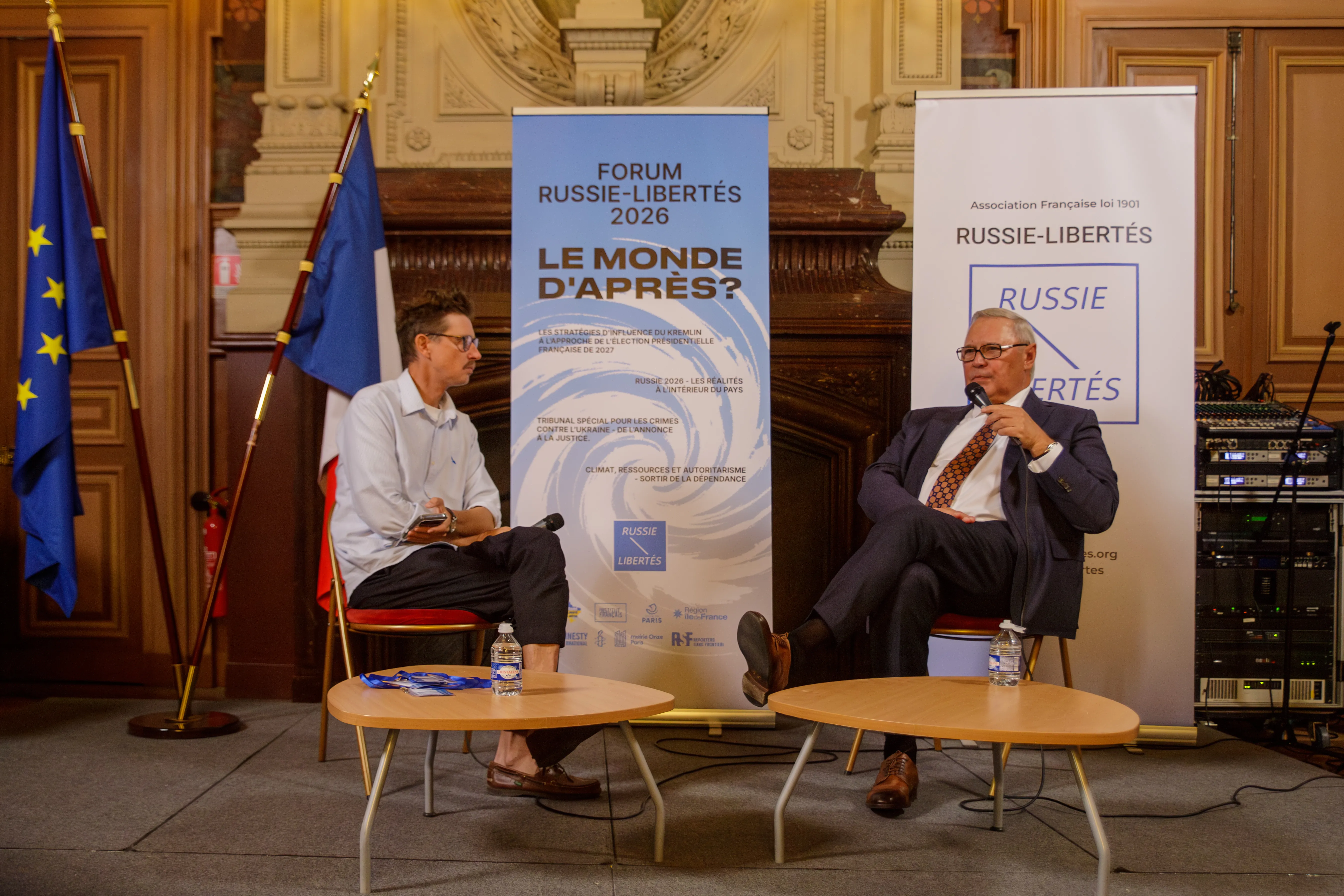
During a Grand Interview moderated by Denis Kataev, journalist at TV Rain, Mikhaïl Kassianov, Mikhail Kasyanov, former Prime Minister of Russia, analyzed the war against Ukraine, the weakening of transatlantic unity and the security challenges facing Europe.
Calling on European leaders to maintain their support for Ukraine and resist the Kremlin’s threats, he stated :
« It is a serious mistake for Europeans to be so afraid of Putin. He is not what he tries to portray himself as. He wants to appear unpredictable, but in reality, he is a cynical man who plays on threats. »
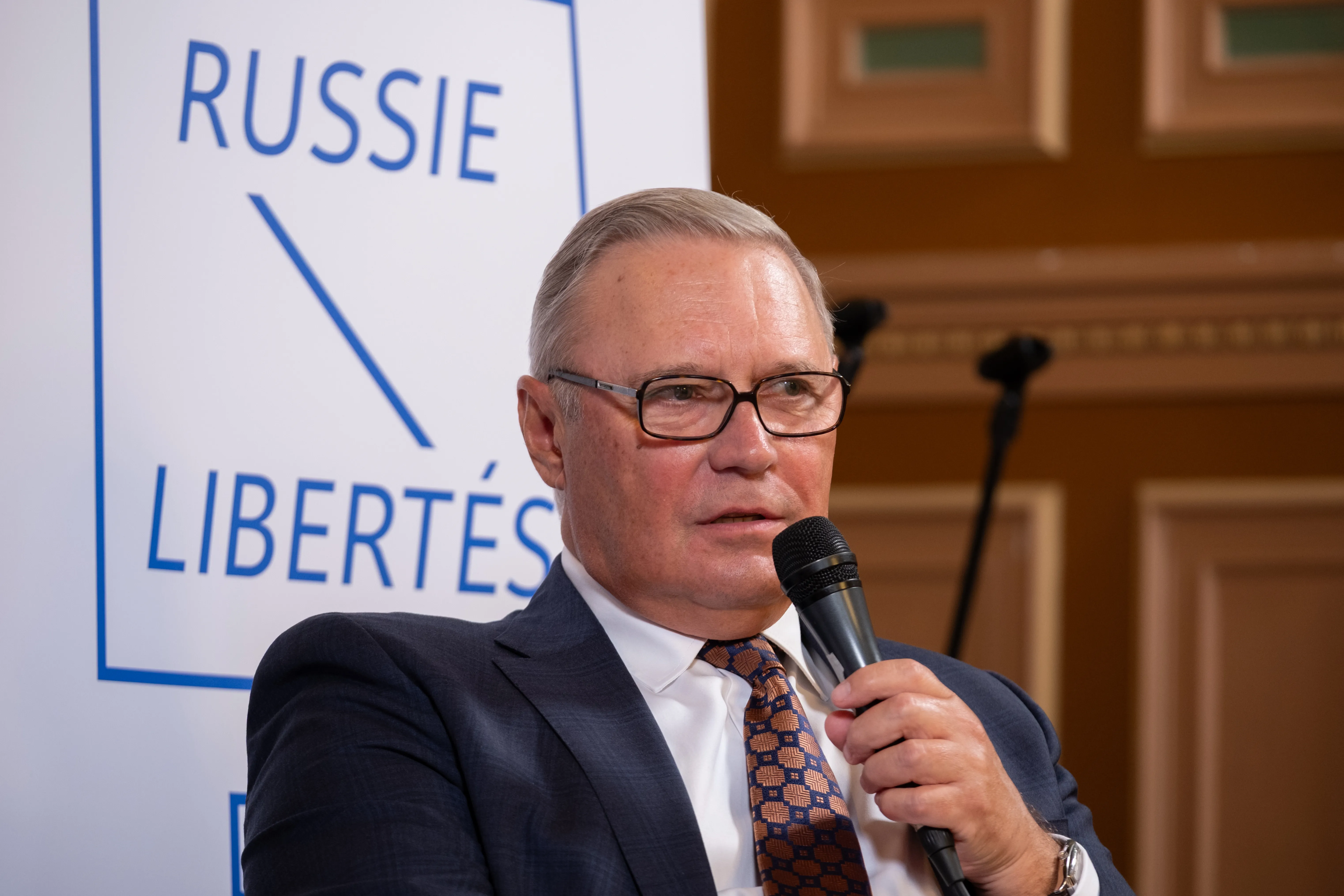
Referring to drone incursions and destabilization operations in Europe, he condemned the Kremlin’s strategy of provocation :
« Putin is a provocateur. He has only one system in mind, the one he learned at the KGB school: deception, blackmail and provocation. He now uses these methods to test the response of Western countries. »
Mikhaïl Kassianov also emphasized the need to strengthen European defense by drawing on Ukraine’s experience, maintain economic pressure on Moscow and continue diplomatic efforts.
Replay
Anna Politkovskaya, Twenty Years After Her Assassination
Twenty years after the assassination of journalist Anna Politkovskaïa, Forum participants observed a minute of silence in her memory.
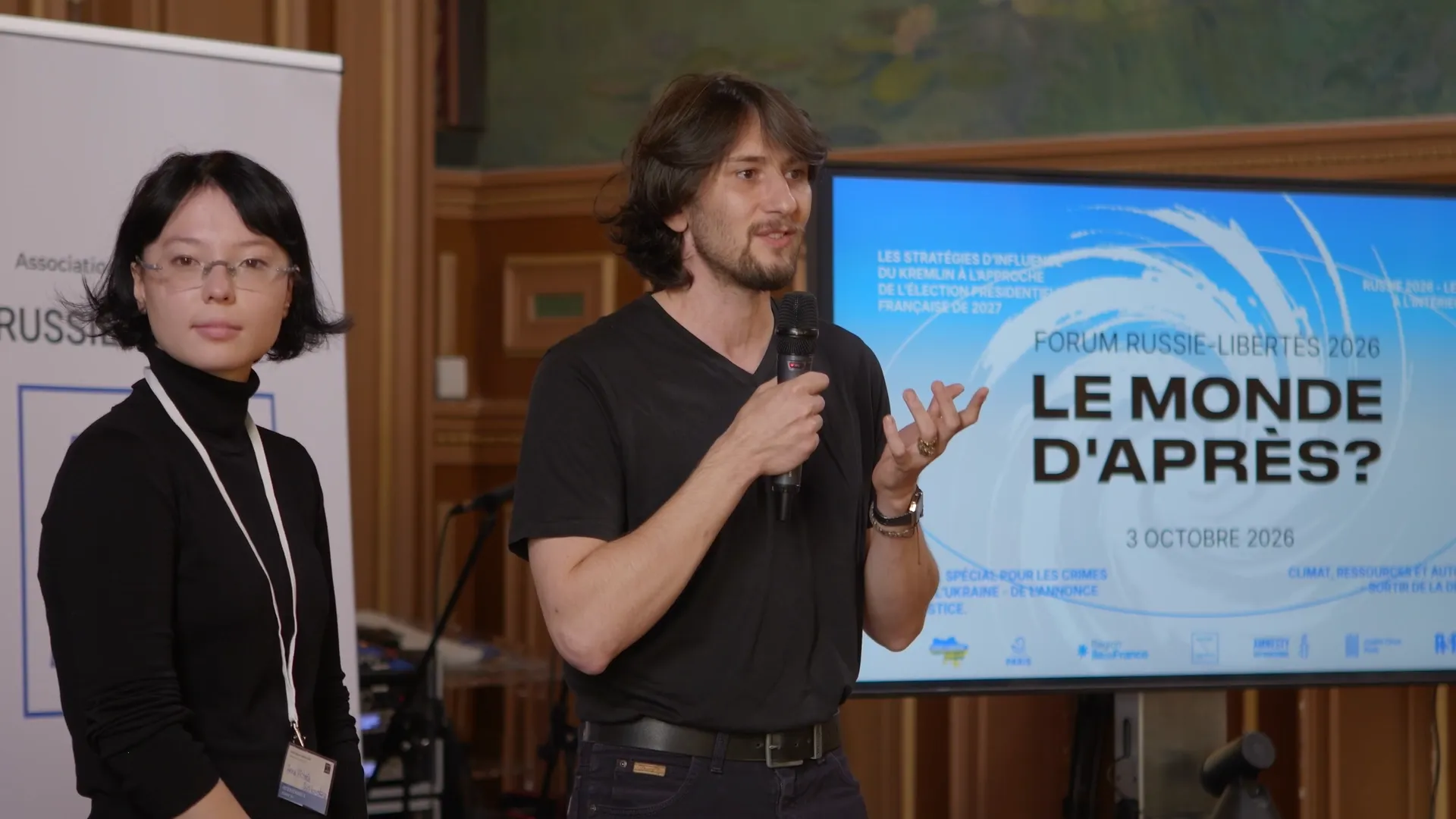
Her granddaughter, Anna Victoria Politkovskaïa, also an activist, recalled attending the first Russie-Libertés Forum with her mother when she was just five years old. Her testimony highlighted the importance of passing on her grandmother’s legacy to younger generations.
Abubakar Yangulbaev, a Chechen human rights defender, reflected on the wars in Chechnya, the violence suffered by civilians and the continued impunity of those responsible.
He condemned the imperialist vision of the Russian authorities and the absence of genuine federalism, emphasizing the need to acknowledge the crimes committed in Chechnya and combat impunity.
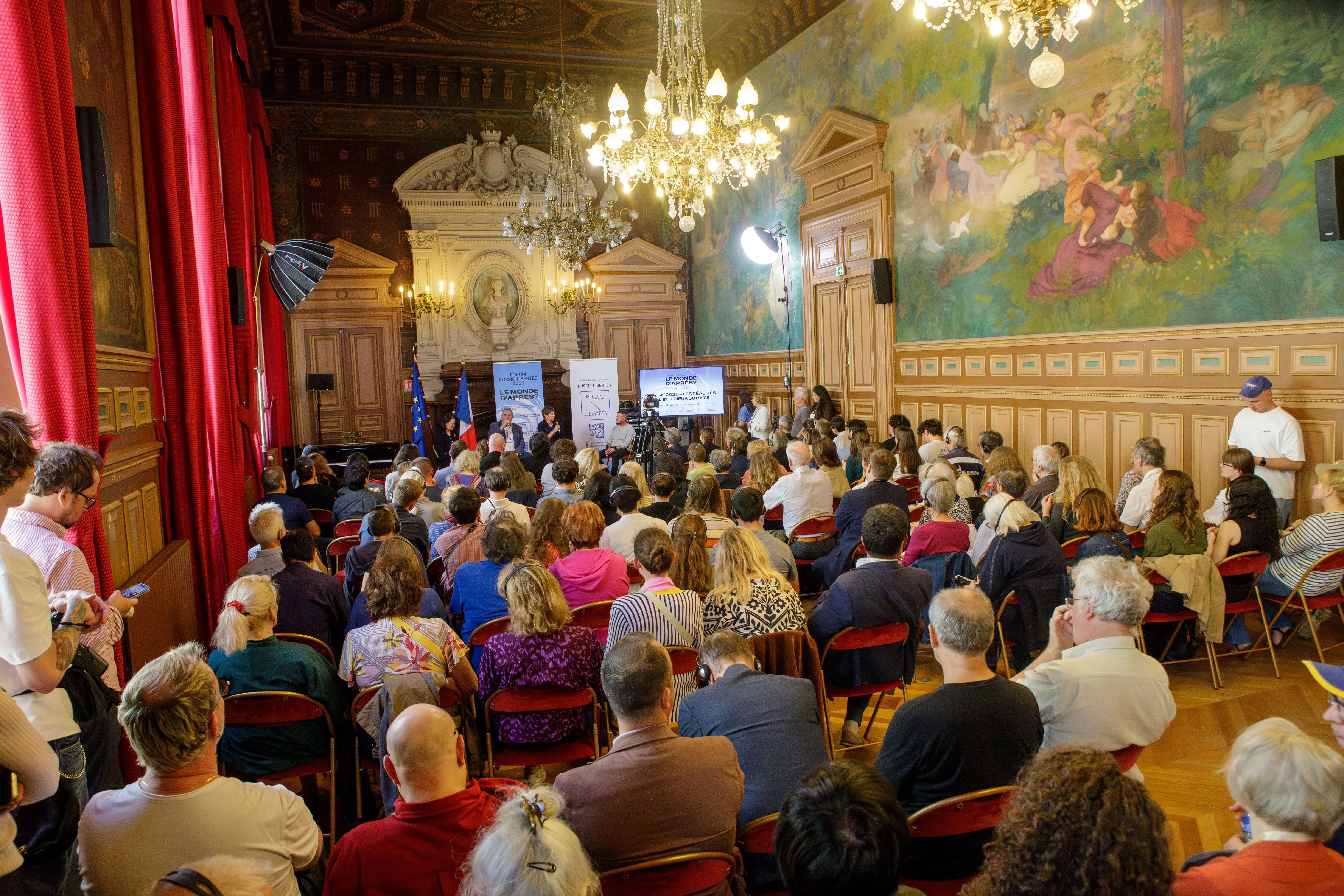
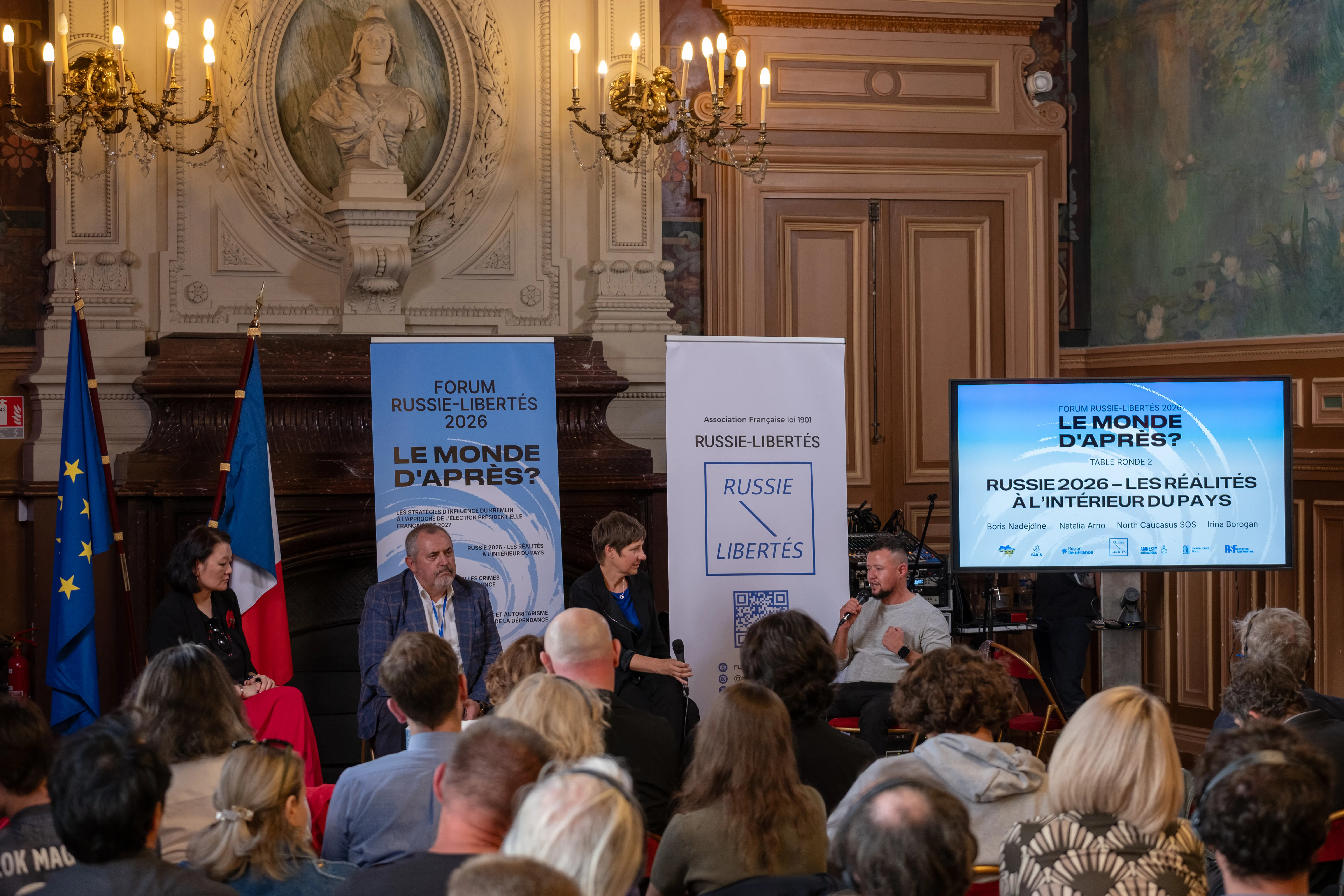
Roundtable 2. Russia in 2026: Realities Inside the Country
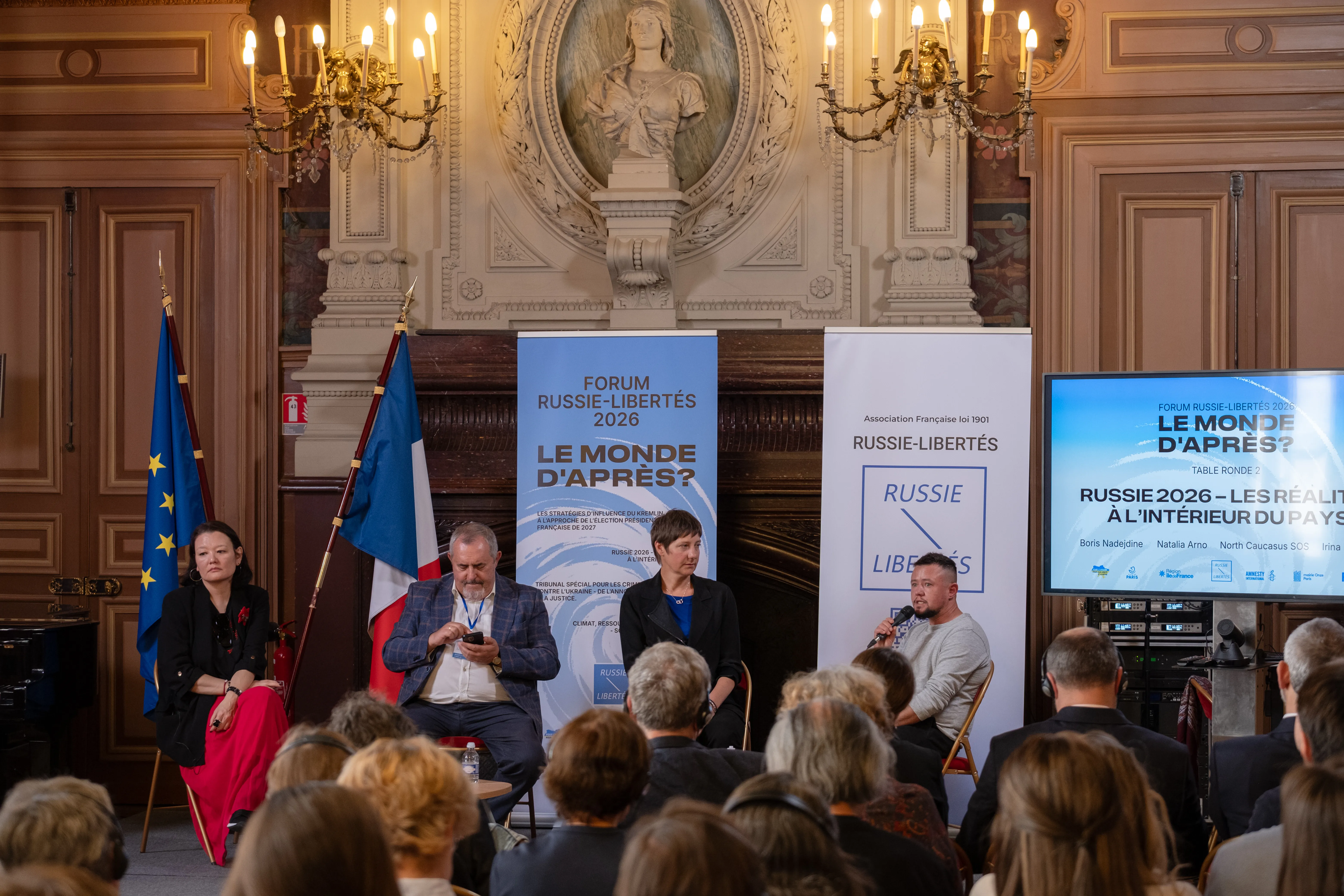
Moderated by Irina Borogan, investigative journalist and co-founder of’Agentura.ru, this roundtable addressed political repression, the state of Russian society and the prospects for democratic forces.
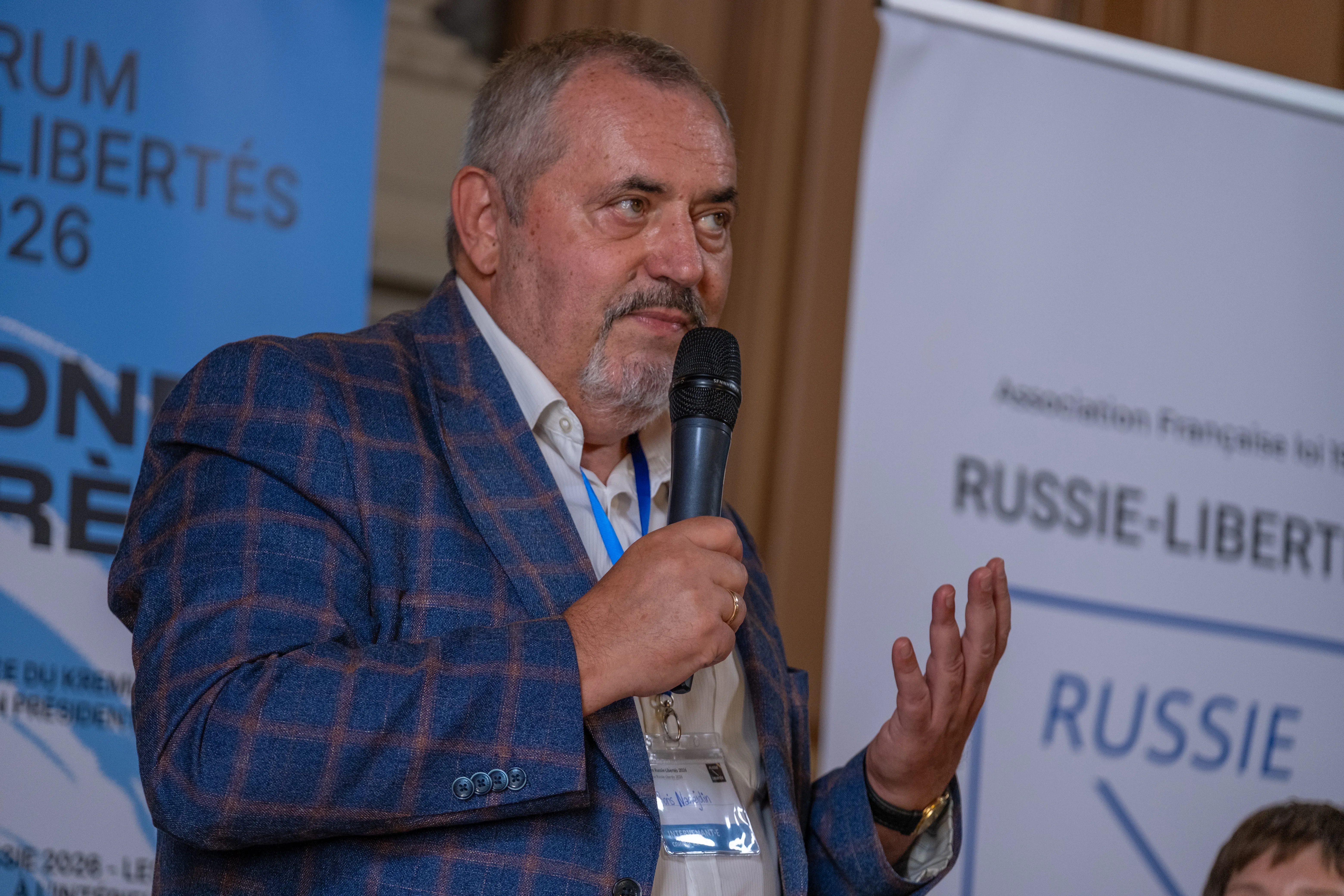
Boris Nadejdine, a Russian opposition politician and anti-war candidate barred from the 2024 presidential election, challenged the official results of Russia’s parliamentary elections held from 18 to 20 September 2026, citing electoral analyses :
« According to mathematical models and election observers’ reports, United Russia’s actual result was between 30% and 35%. If we take actual voter turnout into account, this means that the party has the support of no more than 20% of the population. »
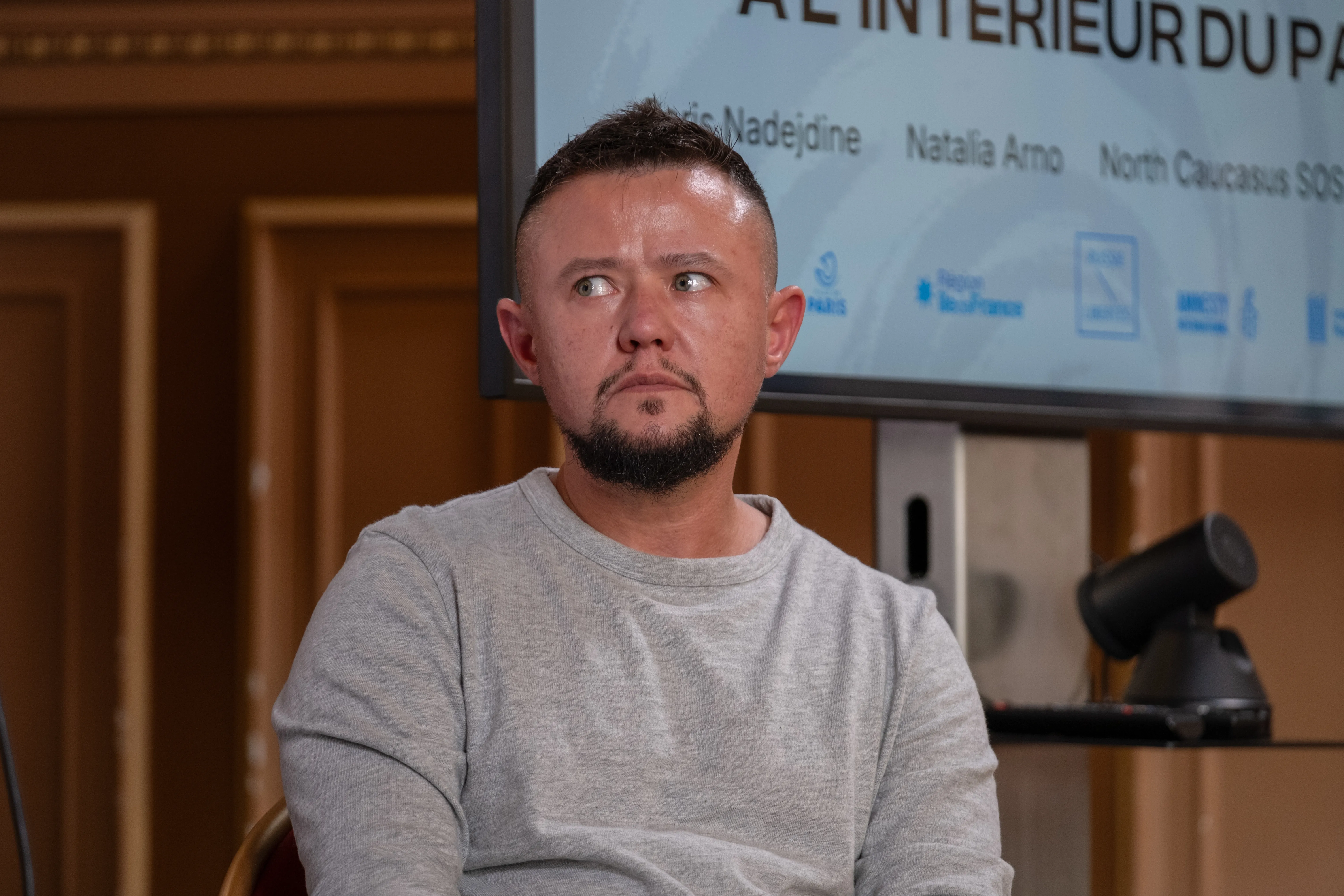
David Isteev, representative of North Caucasus SOS, highlighted the persecution of LGBTQ+ people, women and activists in the North Caucasus, as well as the difficulties in ensuring their protection. He emphasized that the repressive practices observed in this region have gradually spread throughout Russia :
« What if the North Caucasus was not an exception, but a warning? Many practices once considered specific to this region have now become part of everyday reality across Russia. »
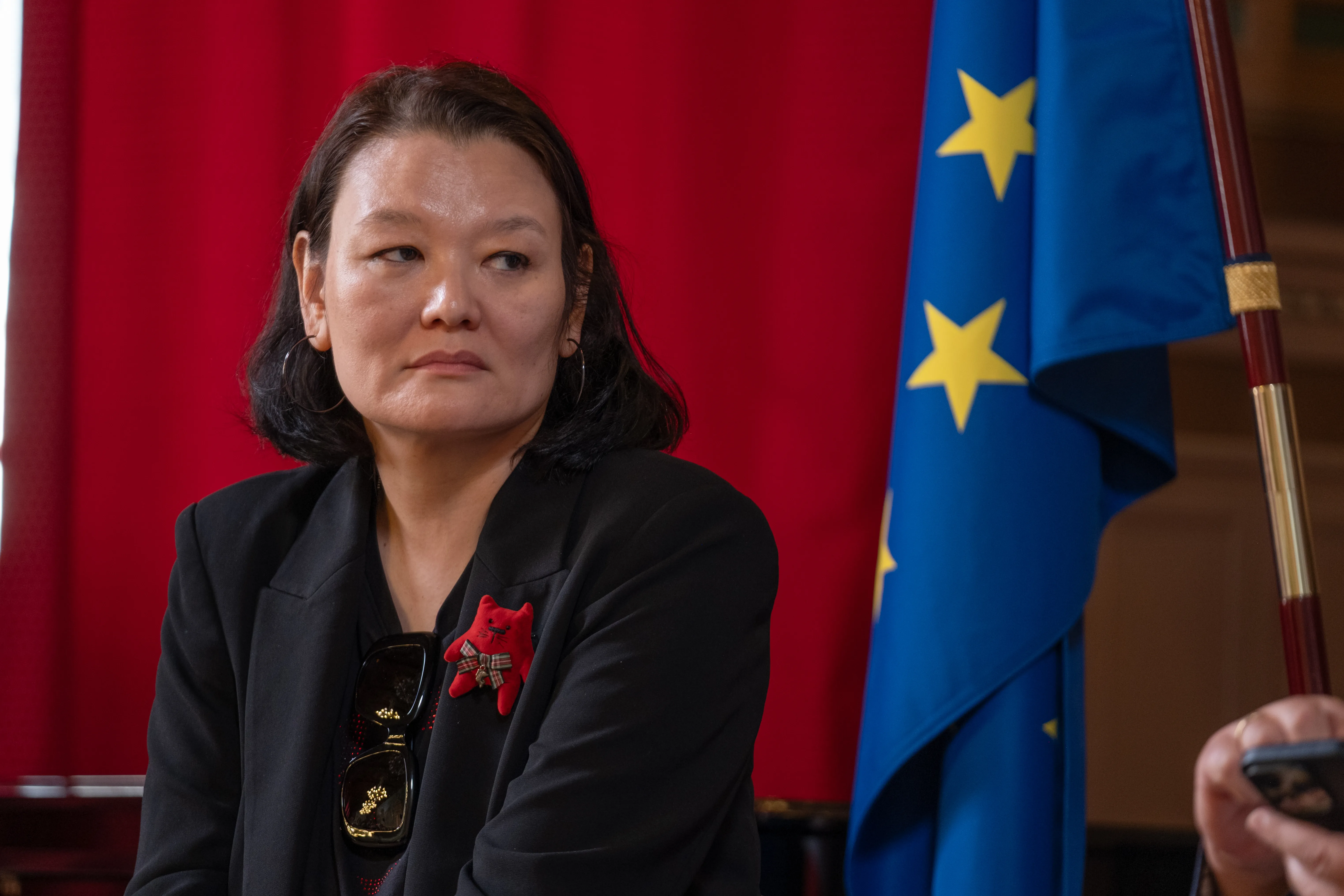
Natalia Arno, president of the Free Russia Foundation nd member of the Parliamentary Assembly of the Council of Europe (PACE) Dialogue Platform, highlighted the profound disparities between Russian regions in the impact of the war and the consequences of the centralization of power in Moscow :
« Under Putin, power has become concentrated in Moscow, while the war has affected regions unevenly, particularly impacting the national republics. »
Following the roundtable, Arnaud Guillois, director for Continental Europe at the French Ministry for Europe and Foreign Affairs, reaffirmed France’s support for Ukraine and Russian democratic forces, while emphasizing the importance of maintaining ties with Russian civil society :
« We must not allow a new Berlin Wall to emerge between Russia and Europe. »
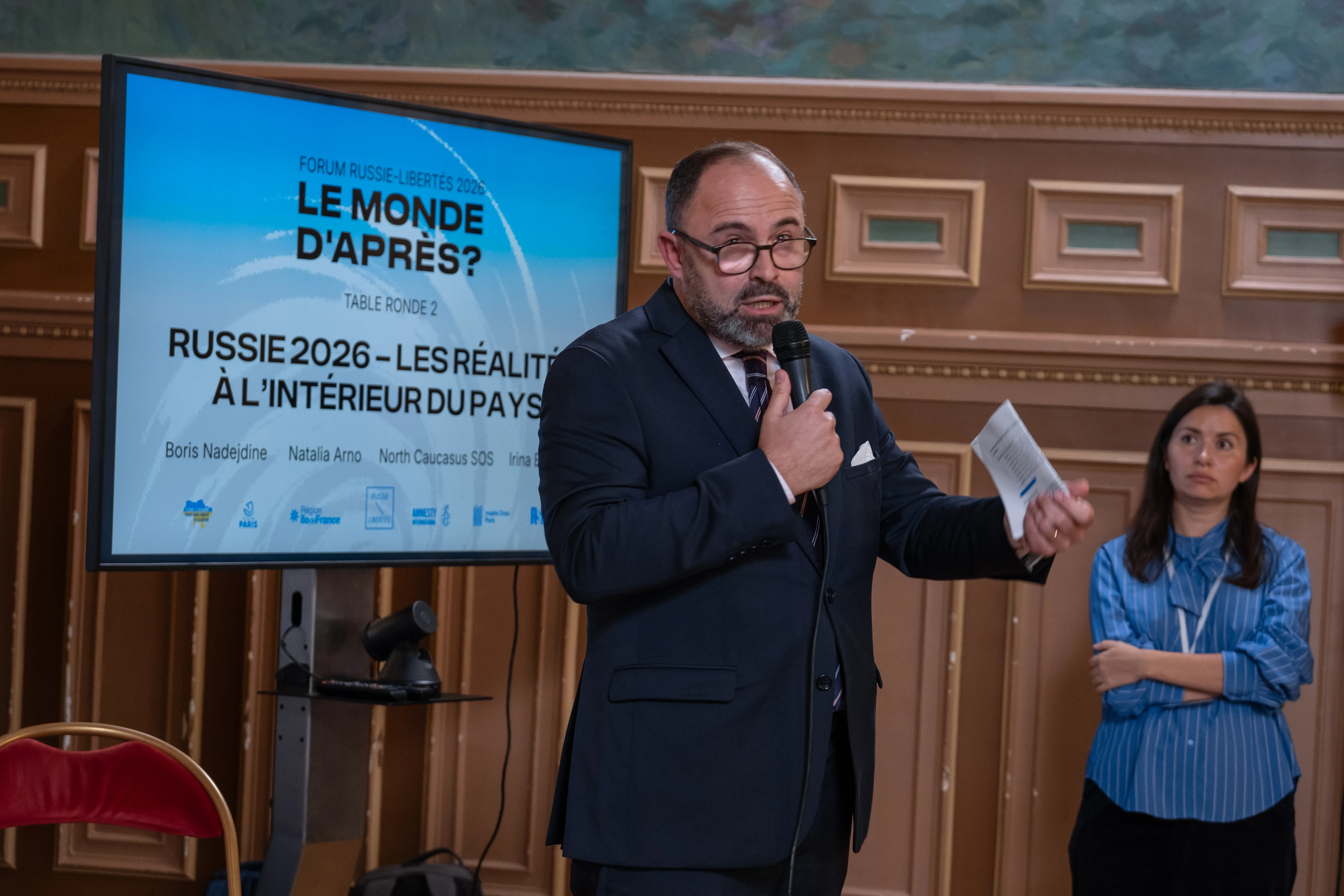
He also reiterated France’s commitment to welcoming journalists, activists and human rights defenders forced into exile.
Replay
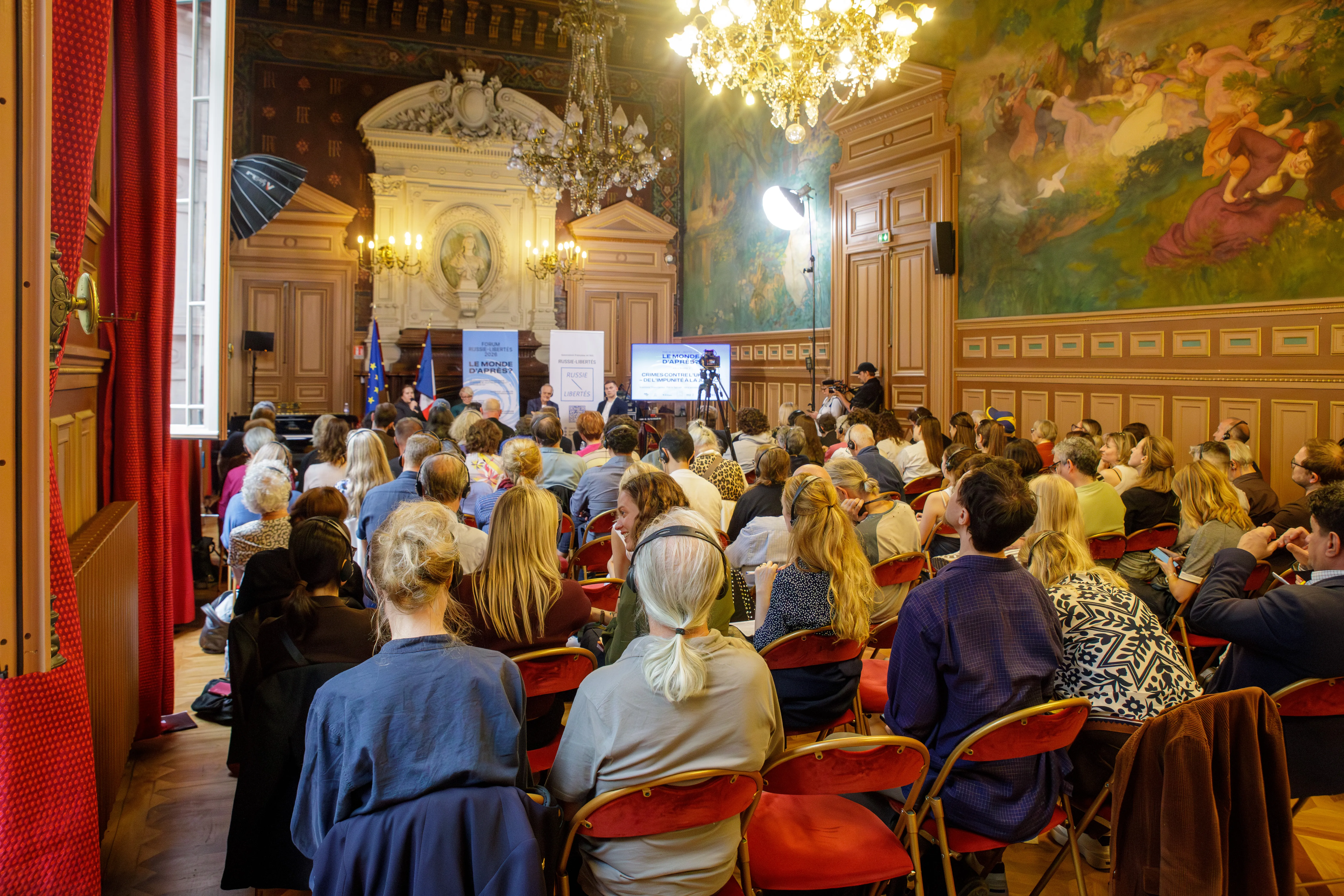
Roundtable 3. Crimes Against Ukraine: From Impunity to Justice
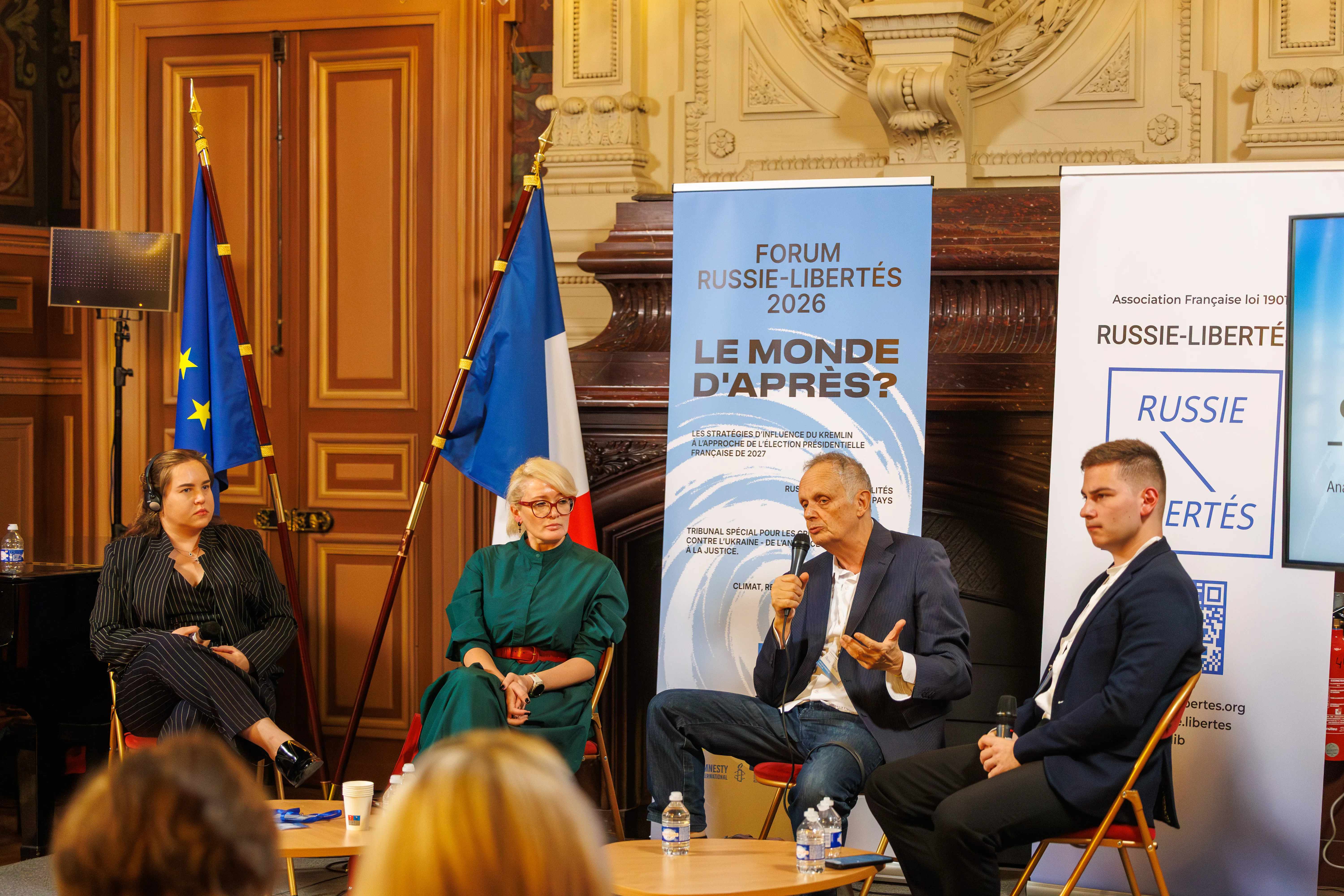
Moderated by Cyrille Amoursky, a Franco-Russian journalist and war correspondent, the third roundtable focused on accountability for crimes committed in Ukraine, the fate of civilians detained by Russia and the urgent need to protect populations in occupied territories.
Vera Iastrebova, a Ukrainian lawyer and Director of the Eastern Human Rights Group, emphasized the limitations of documenting crimes in the absence of political will :
« In my opinion, the problem is not gathering evidence or documenting crimes. The problem is the political will to bring those responsible for this bloody war to justice. »
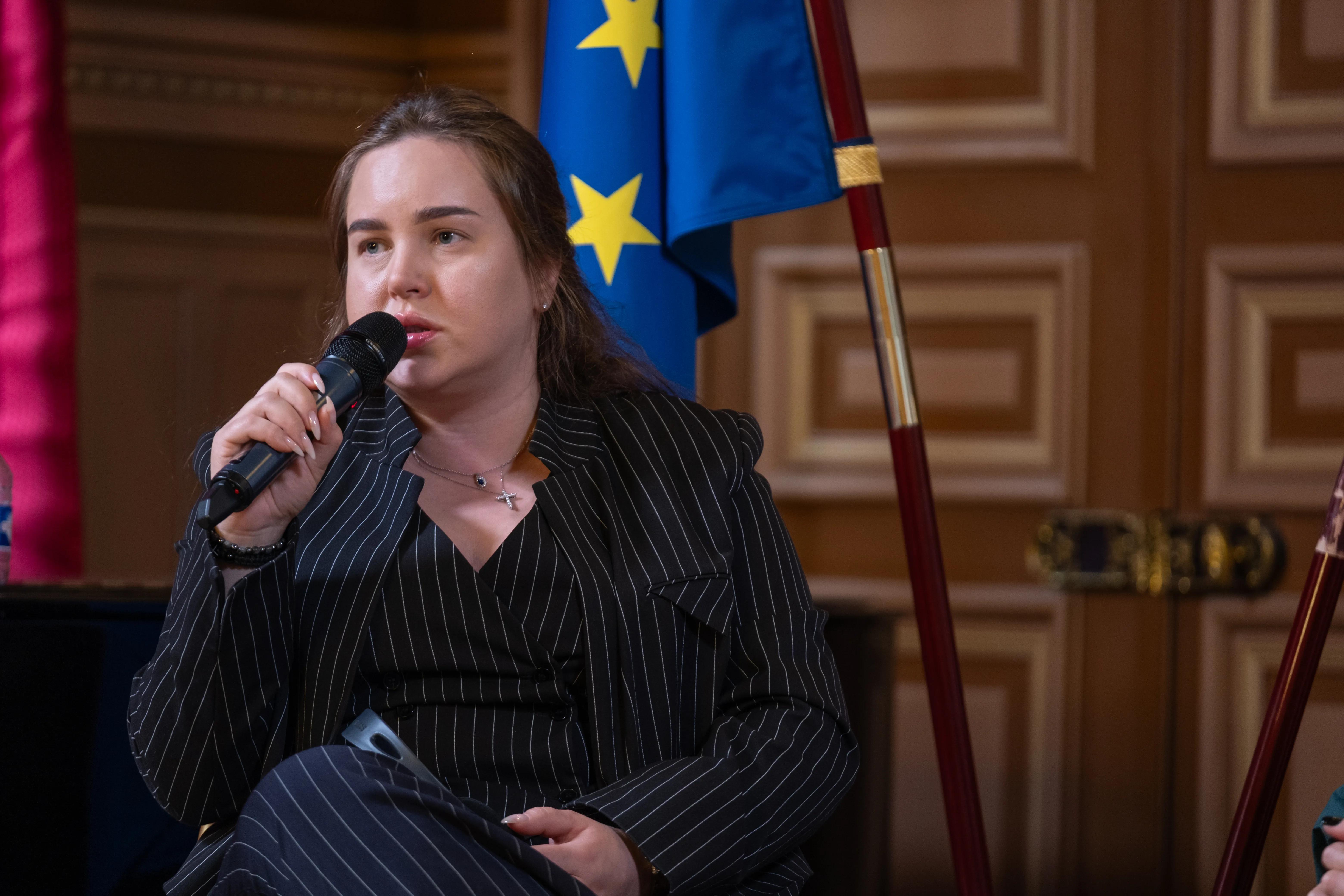
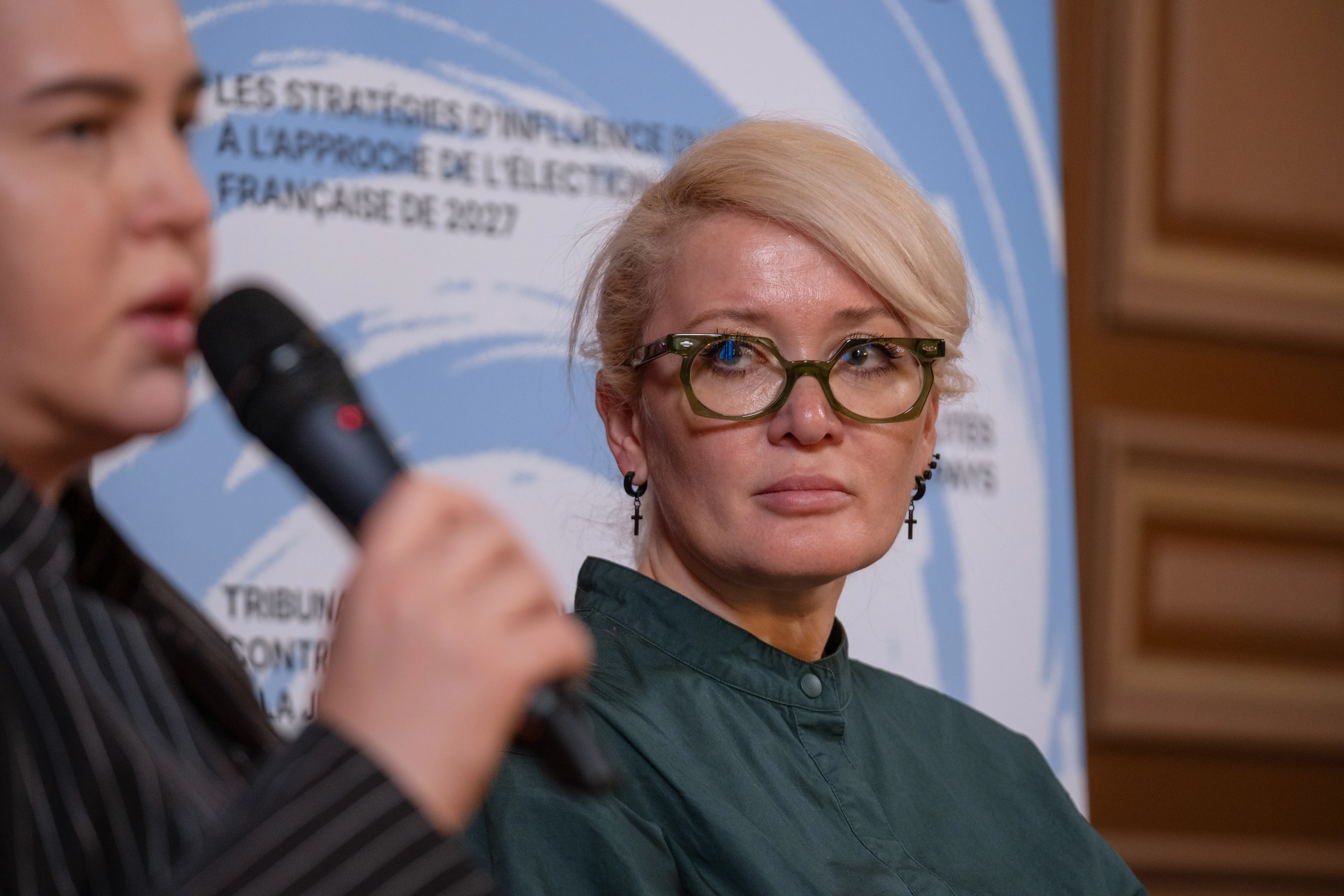
She also emphasized the need to develop concrete measures to protect residents of occupied territories and prepare for their reintegration.
Anastasia Shevchenko, a Russian human rights activist, former political prisoner and founder of the « À travers le mur », highlighted the responsibility of Russians who oppose the war :
« We [Russian democratic forces] must help Ukrainians. It is our responsibility. Without this responsibility, there will be no peace, only a period of waiting before the next war. »
She called for continued humanitarian assistance, support for Ukrainian prisoners and efforts to counter Russian propaganda.
Pierre Raiman, co-founder of the association Pour l’Ukraine, pour leur liberté et la nôtre !, presented the campaign « Together, Let Us Save Ukrainian Hostages », which encourages French municipalities to sponsor Ukrainian civilians detained by Russia. He highlighted the particularly difficult situation of these civilians who, unlike prisoners of war, are not covered by prisoner exchange mechanisms and have no effective procedure for securing their release :
« They cannot be exchanged. They are hostages. You cannot exchange hostages; you can only release them. »
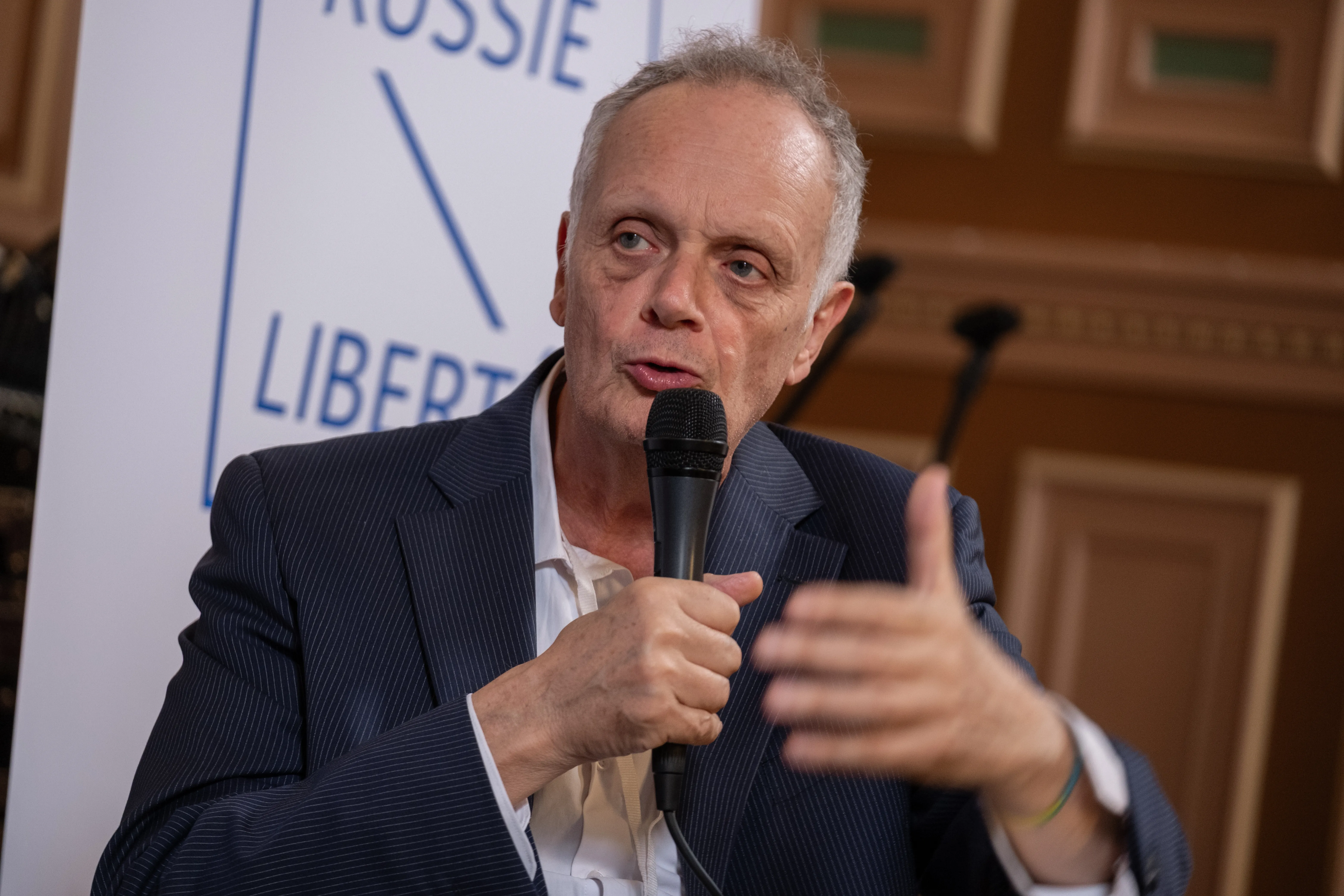
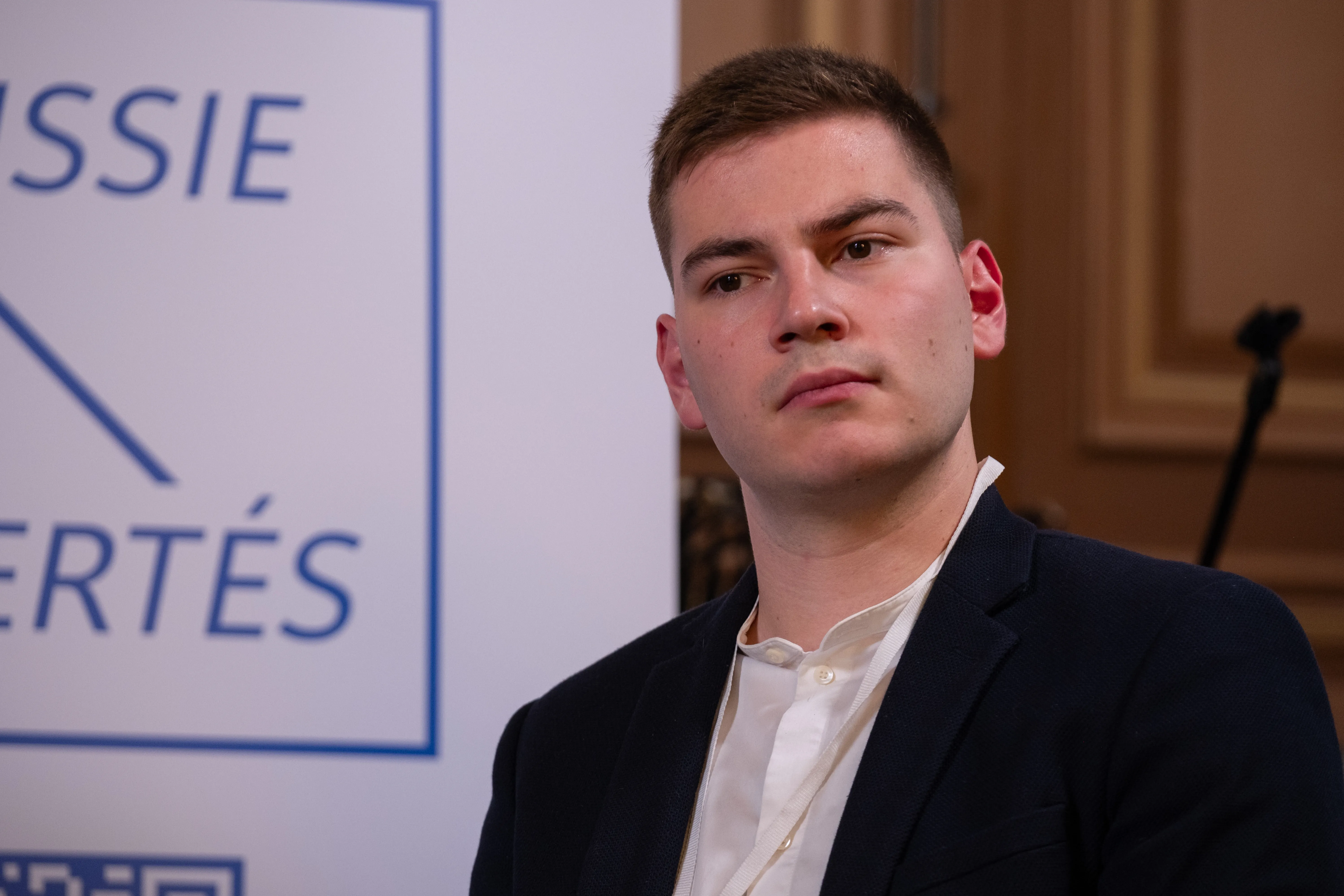
The discussions also highlighted the dire humanitarian situation in Olechky, n occupied Ukrainian town where residents face severe shortages and are unable to leave the area. Cyrille Amoursky stressed the urgent need to strengthen the protection of Ukrainian civilians, particularly through the SkyShield initiative:
« We must also consider protecting part of Ukrainian airspace, particularly through the SkyShield initiative, so that more drones and missiles can be intercepted and Ukrainians can get through this winter under better conditions.. »
The speakers called for the protection of victims and the fight against impunity to become immediate priorities for European action, without waiting for the war to end.
Replay
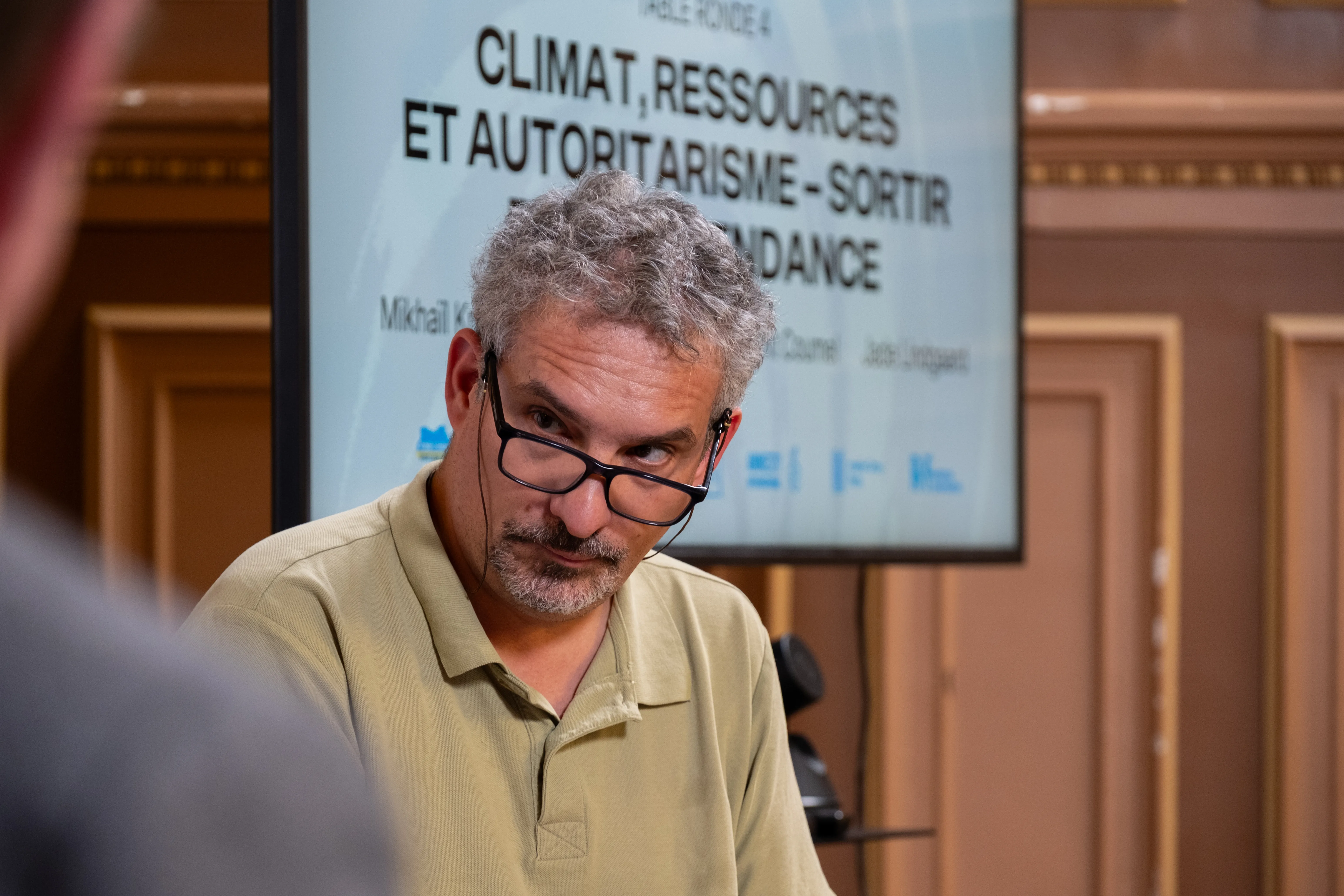
Roundtable 4. Climate, Resources and Authoritarianism: Breaking Free from Dependence
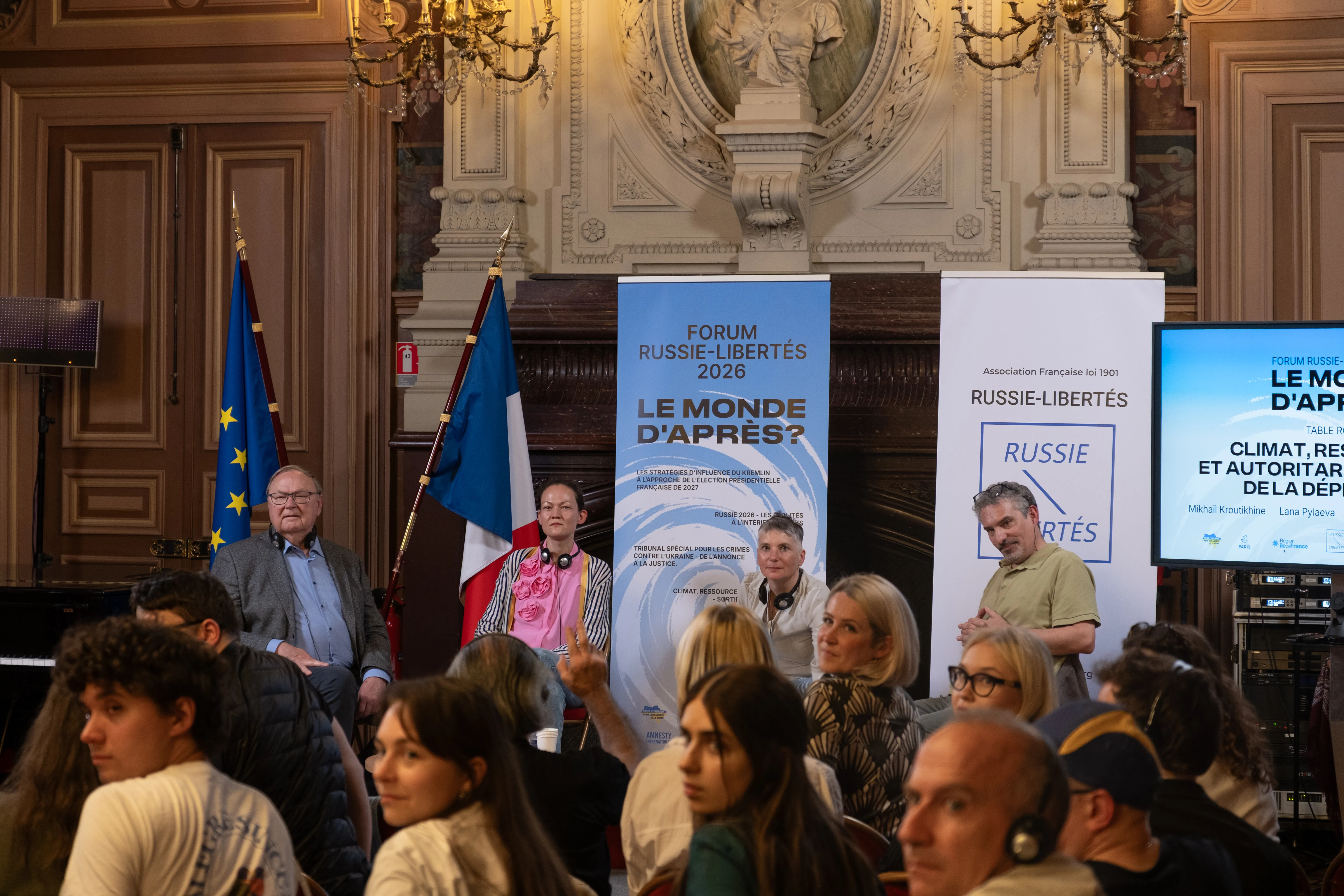
Moderated by Jade Lindgaard, Head of the Ecology Desk at Mediapart, the final roundtable explored the links between natural resource exploitation, Russian authoritarianism and the climate crisis. The discussion examined how the Kremlin uses fossil fuels as a weapon against the West and to finance the war in Ukraine, while also addressing the colonial dimension of resource exploitation and its consequences for Indigenous peoples.
Lana Pylaeva, a Komi Indigenous activist and environmentalist, condemned the exploitation of local territories and the centralization of resources at the expense of local communities, emphasizing that :
« Decolonization is a necessary condition for the democratization of Russia. Without recognition of our languages and rights, Russia will continue to reproduce the same mechanisms of domination. »
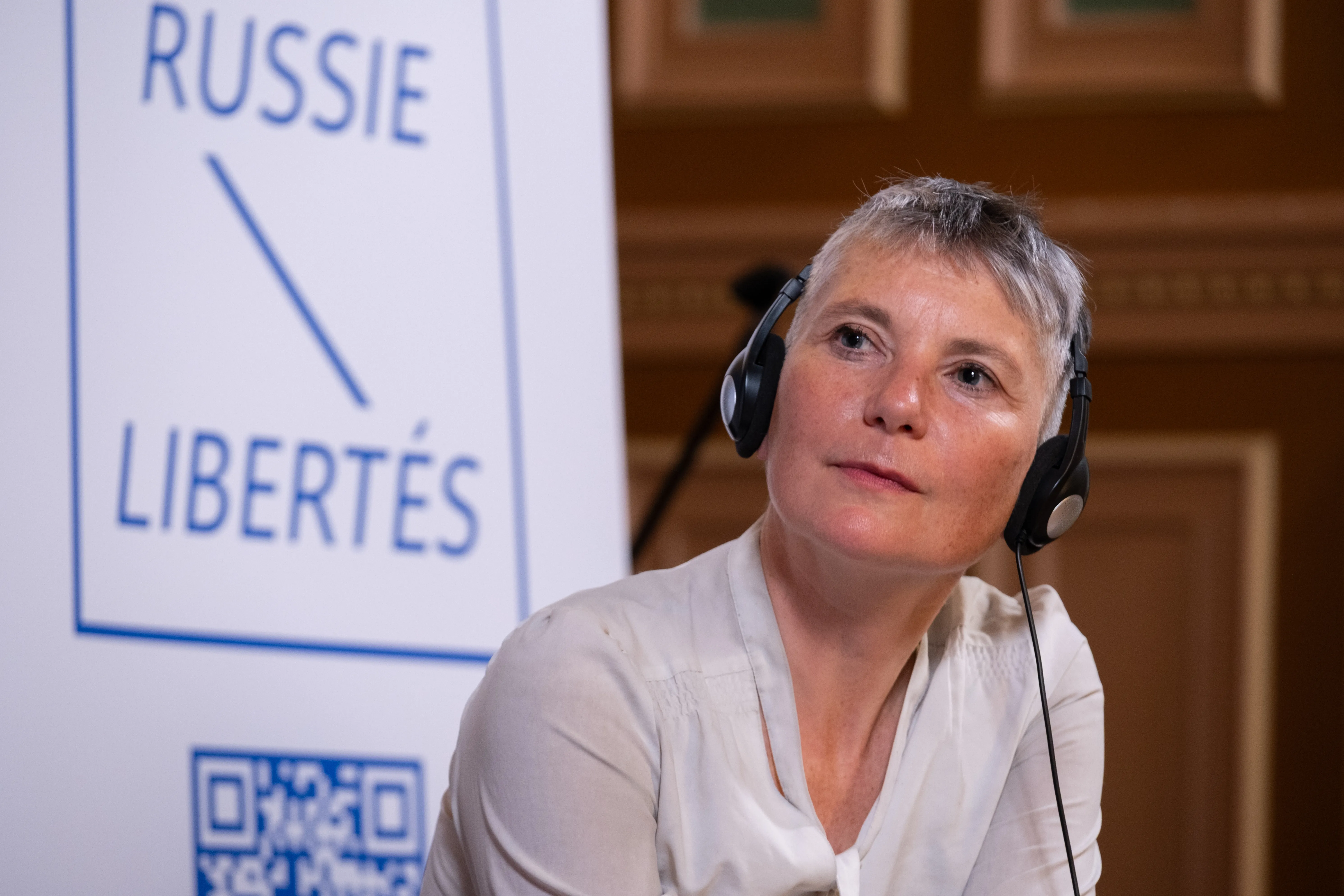
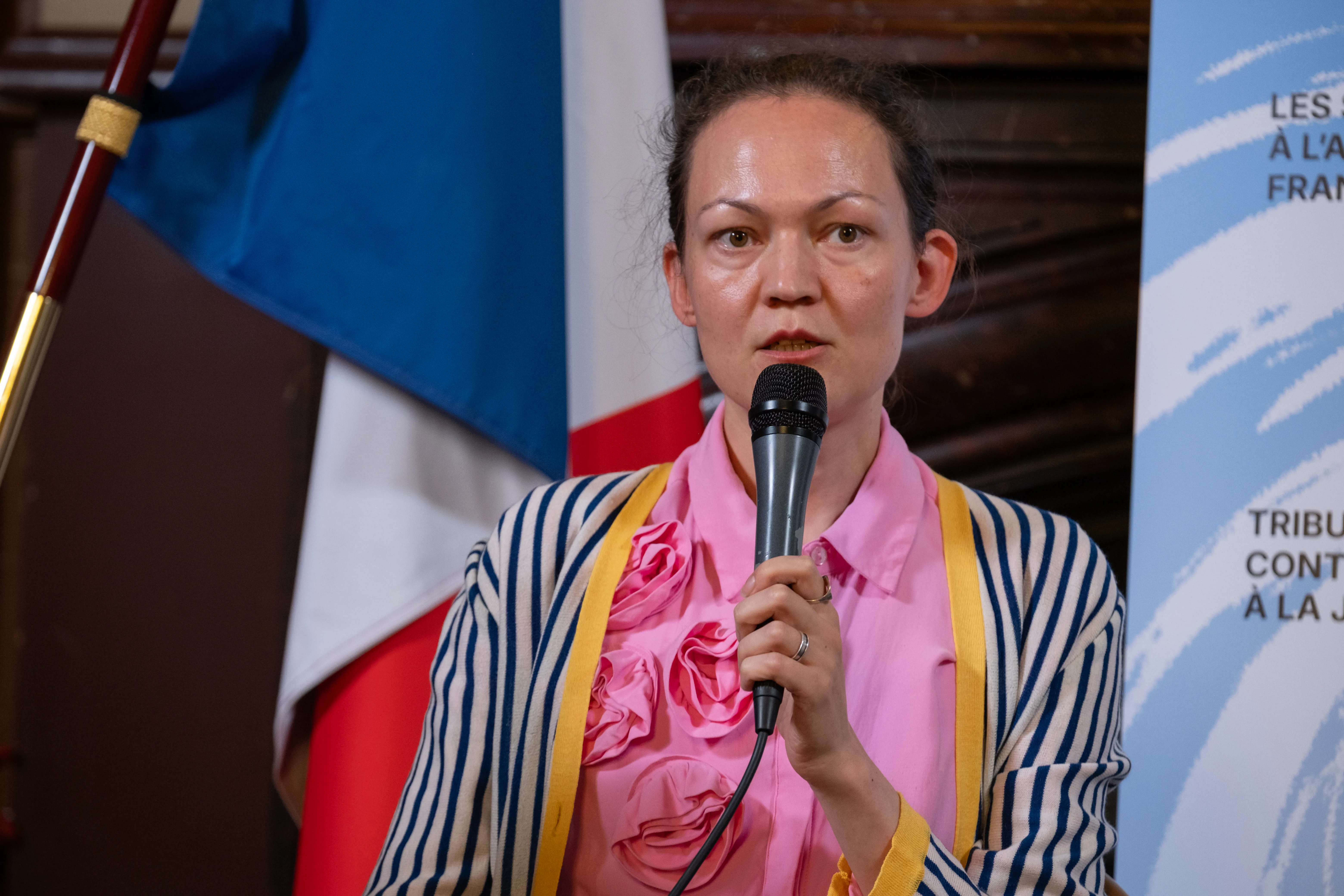
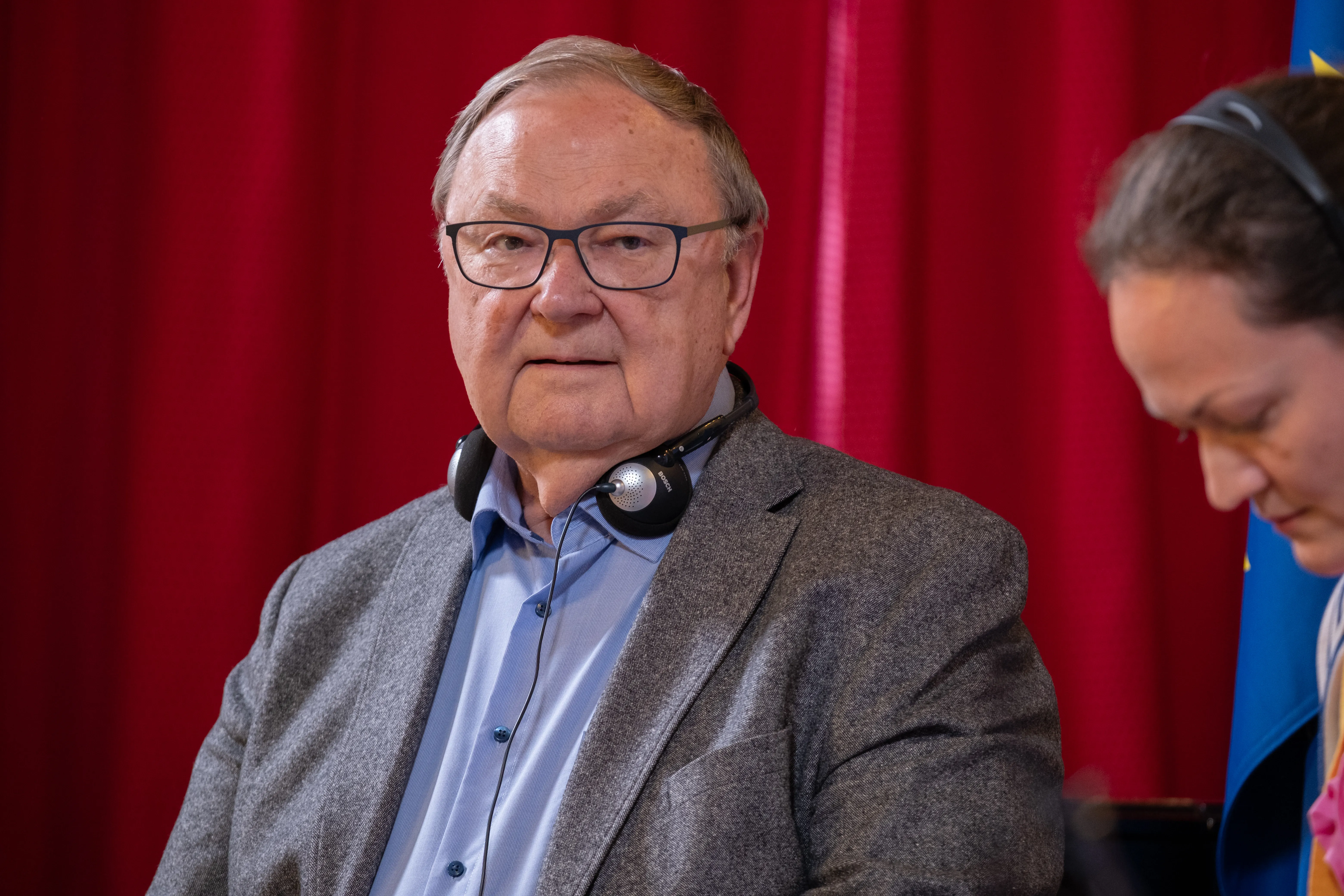
Mikhaïl Kroutikhine, an expert on Russia’s energy sector, highlighted the vulnerabilities of an economic model based on fossil fuels and the Kremlin’s refusal to develop renewable energy :
« In its energy security strategy, the Russian authorities portray renewable energy as a political instrument used by the West against Russia. »
« Russia’s overall policy is to oppose the development of renewable energy. »
Laurent Coumel, a historian at Inalco, warned about the accelerating pace of global warming in Siberia and the Arctic, while condemning the Kremlin’s practice of “state-sponsored greenwashing.
« In Arctic regions, warming is occurring three times faster than the average. The recent oil spill in Norilsk is directly linked to this warming. »
The discussions also addressed the environmental consequences of the war in Ukraine, particularly the destruction of the Kakhovka Dam and the occupation of the Zaporizhzhia Nuclear Power Plant, which Jade Lindgaard described as a situation in which a nuclear facility can become a weapon.
The speakers emphasized that environmental protection, the rights of local communities and the democratization of Russia are closely interconnected.
Replay
A Cultural Programme Bringing Together Art, Memory and Resistance
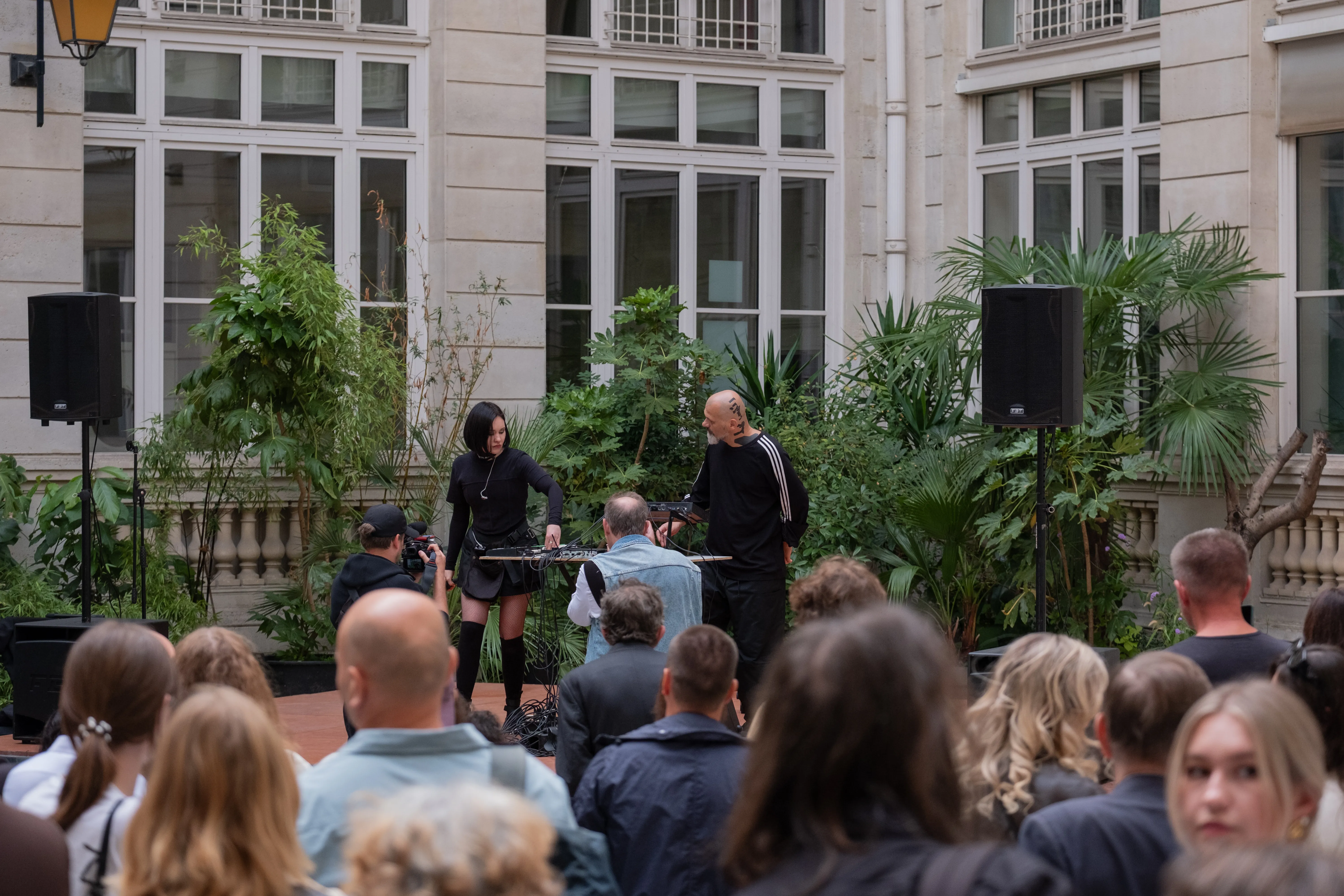
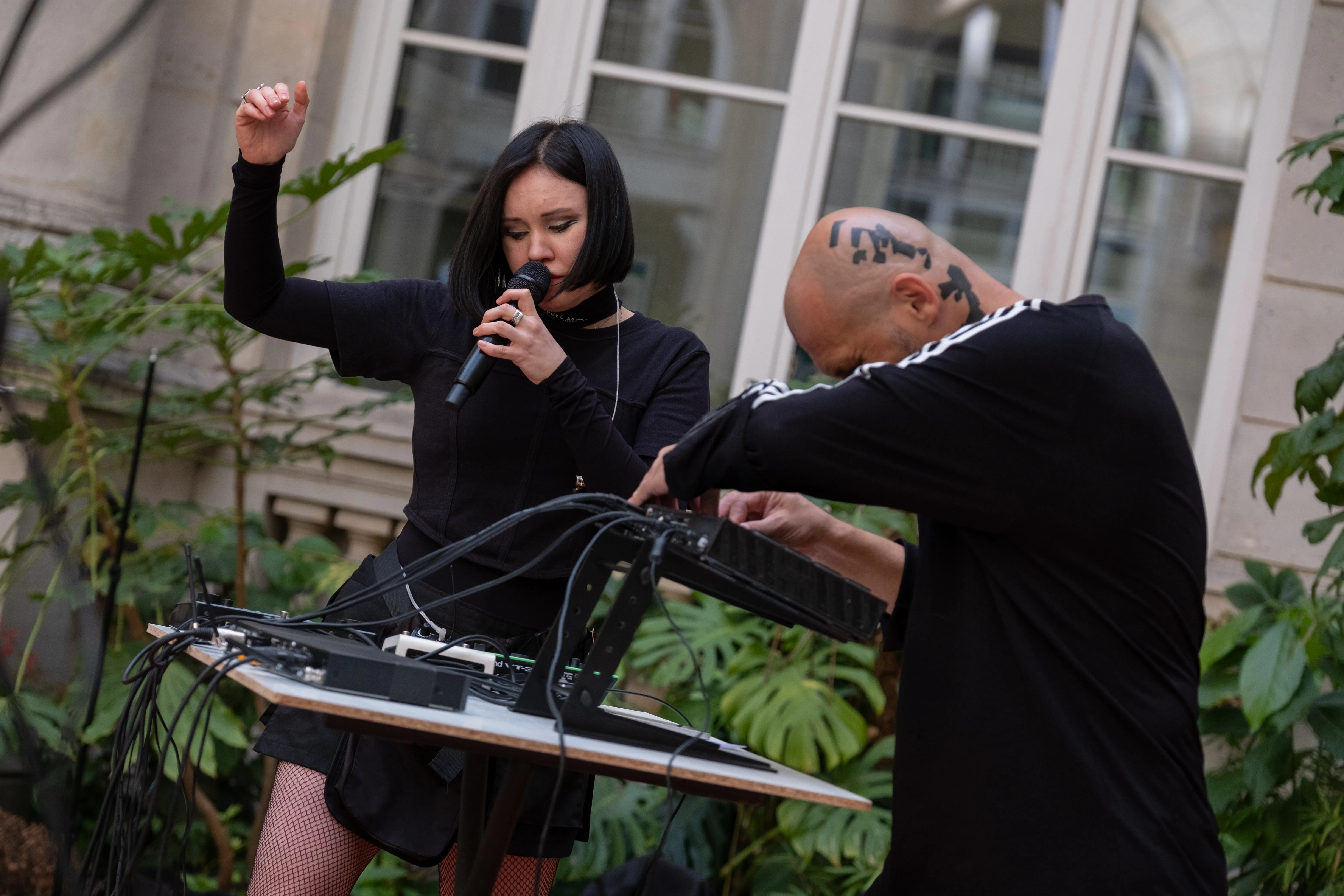
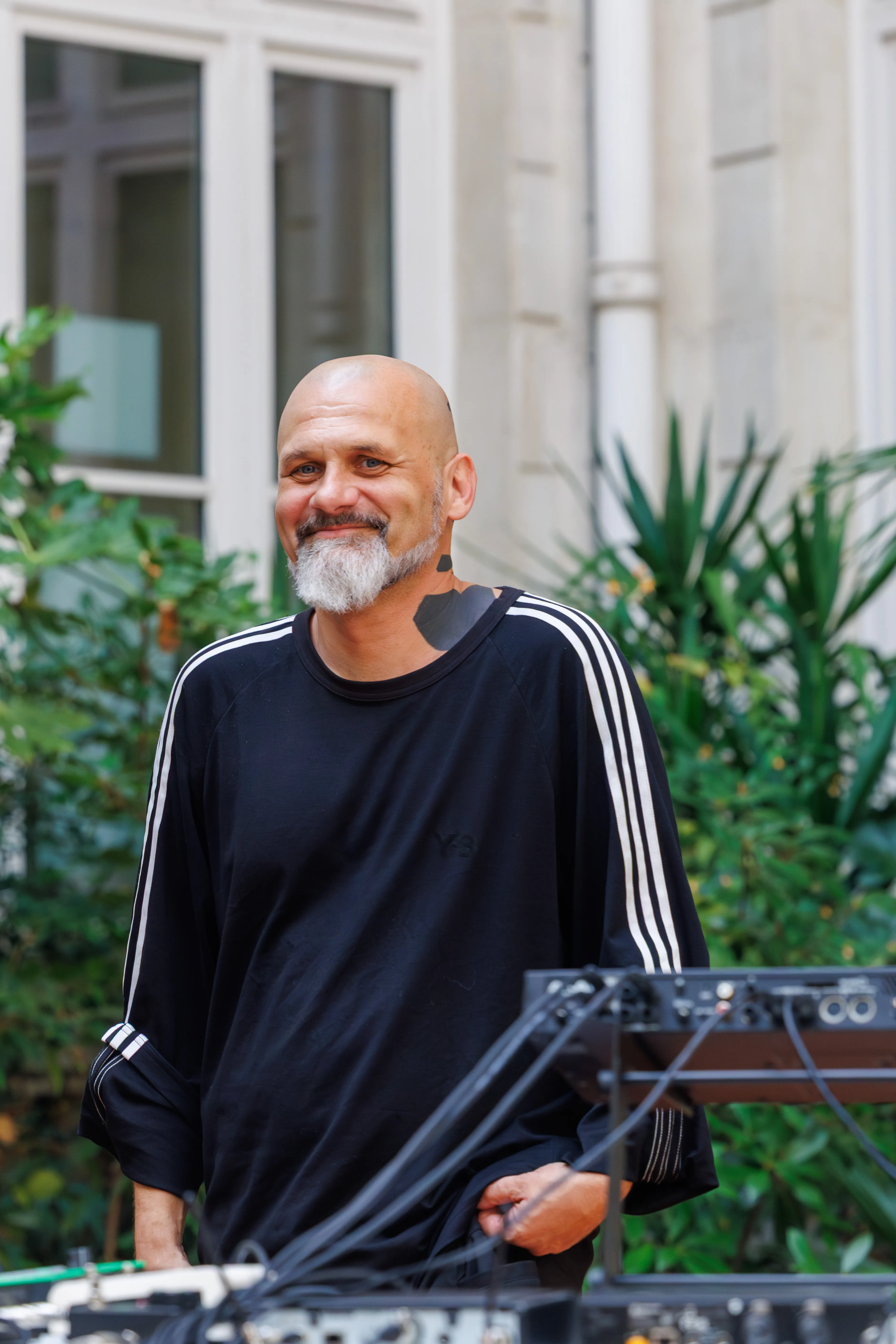
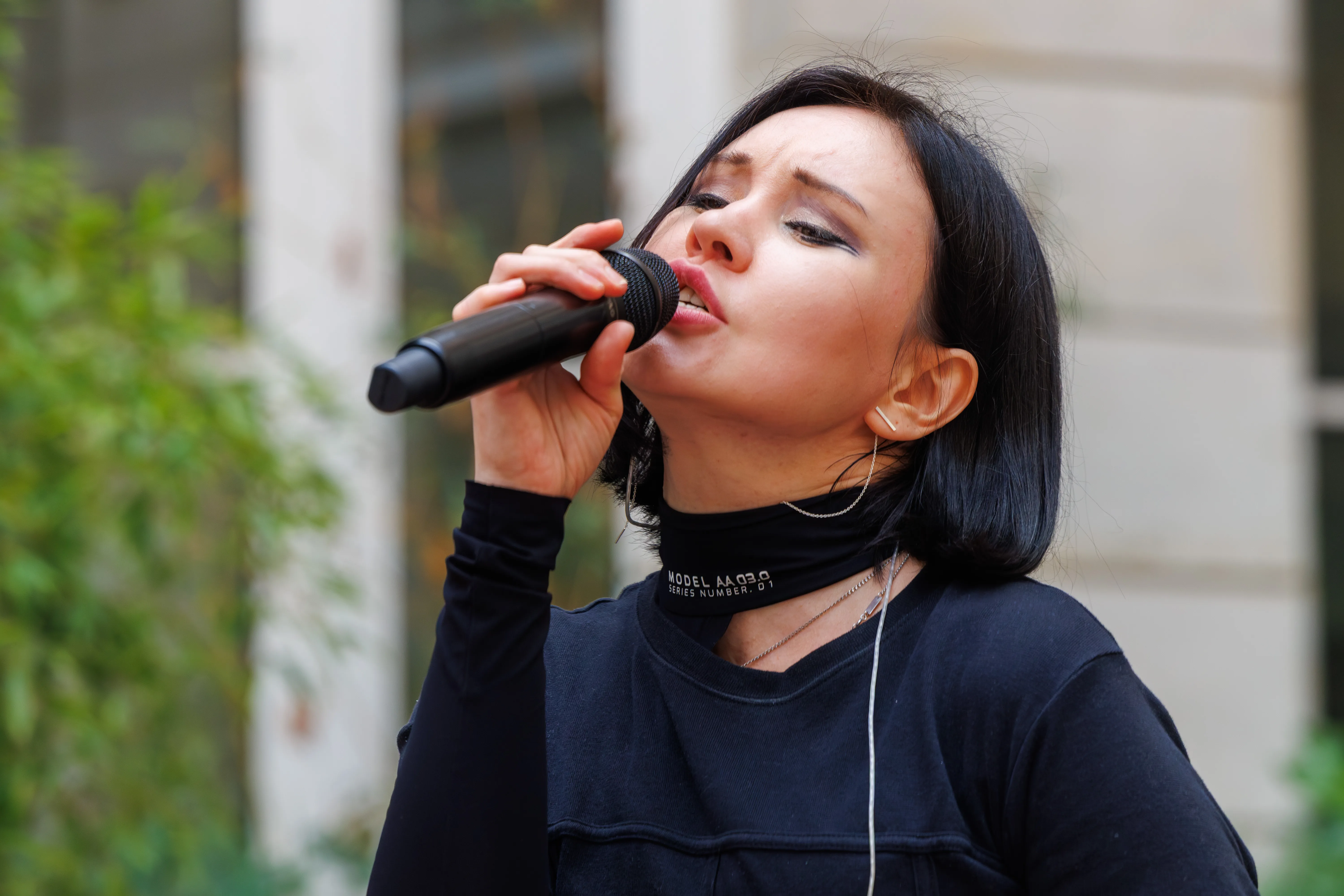
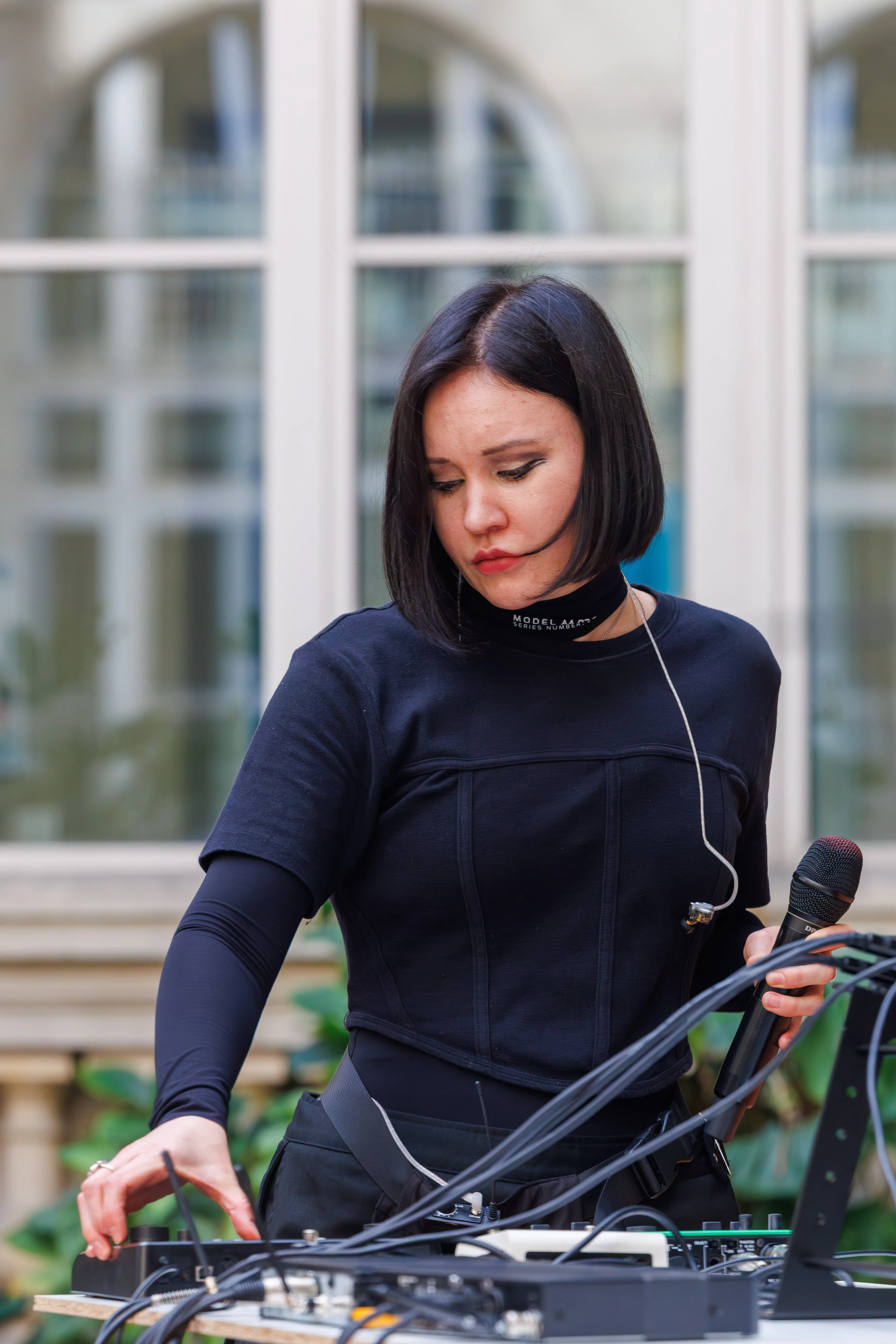
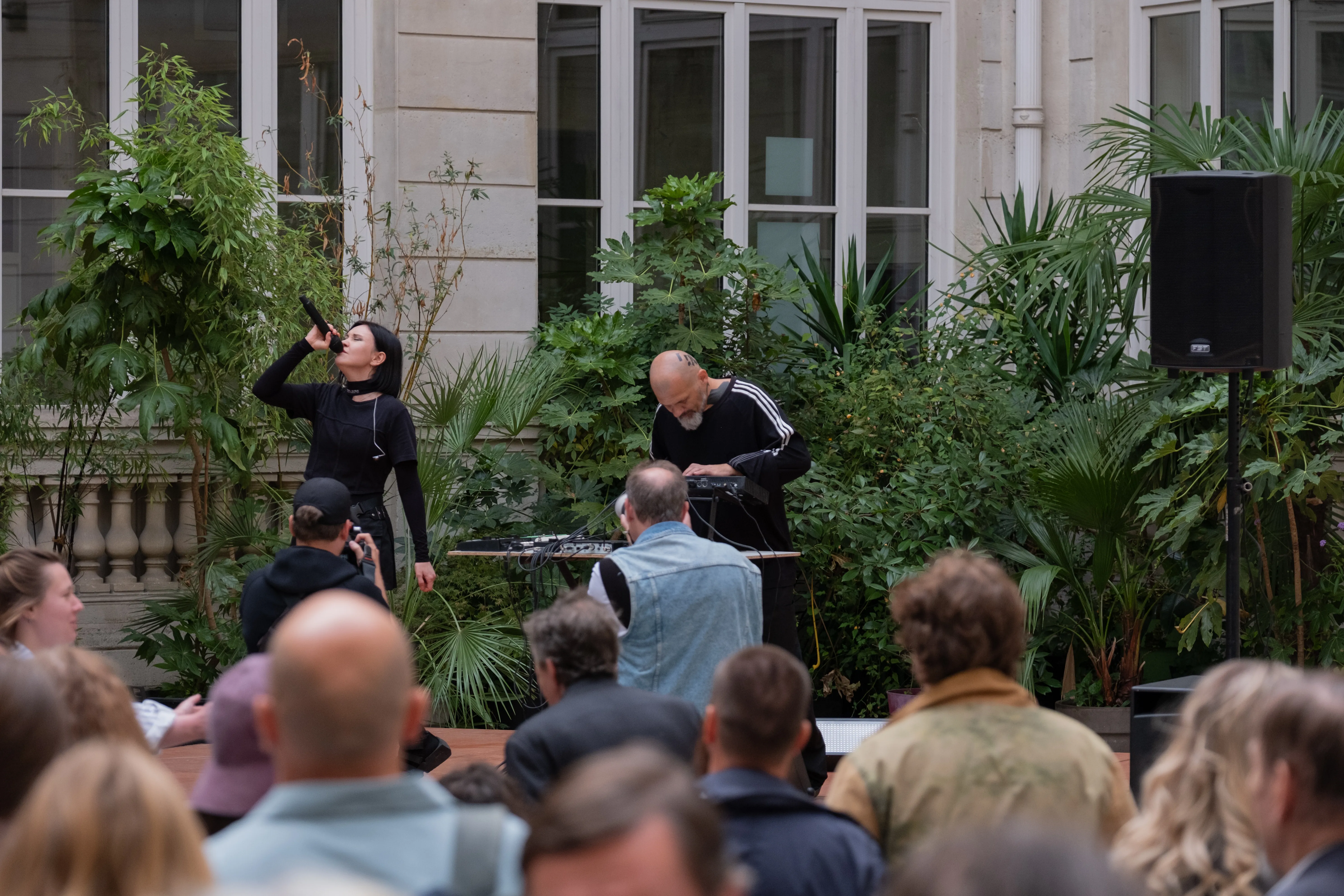
The Forum also featured a cultural programme combining music, visual arts and performance. Among the highlights was a concert by AIGEL, the Russian-Tatar duo, who have openly expressed their opposition to Russia’s war against Ukraine.
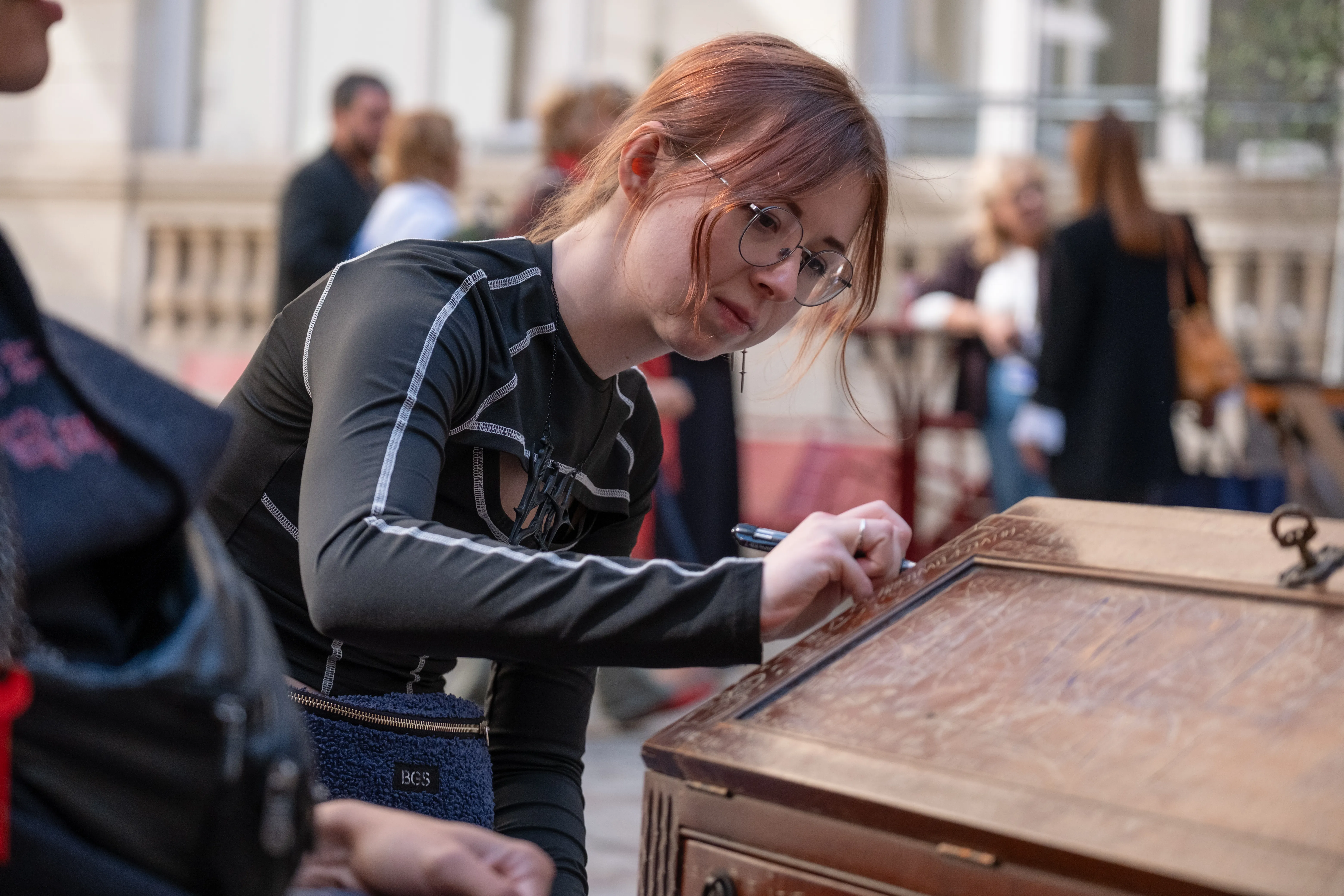
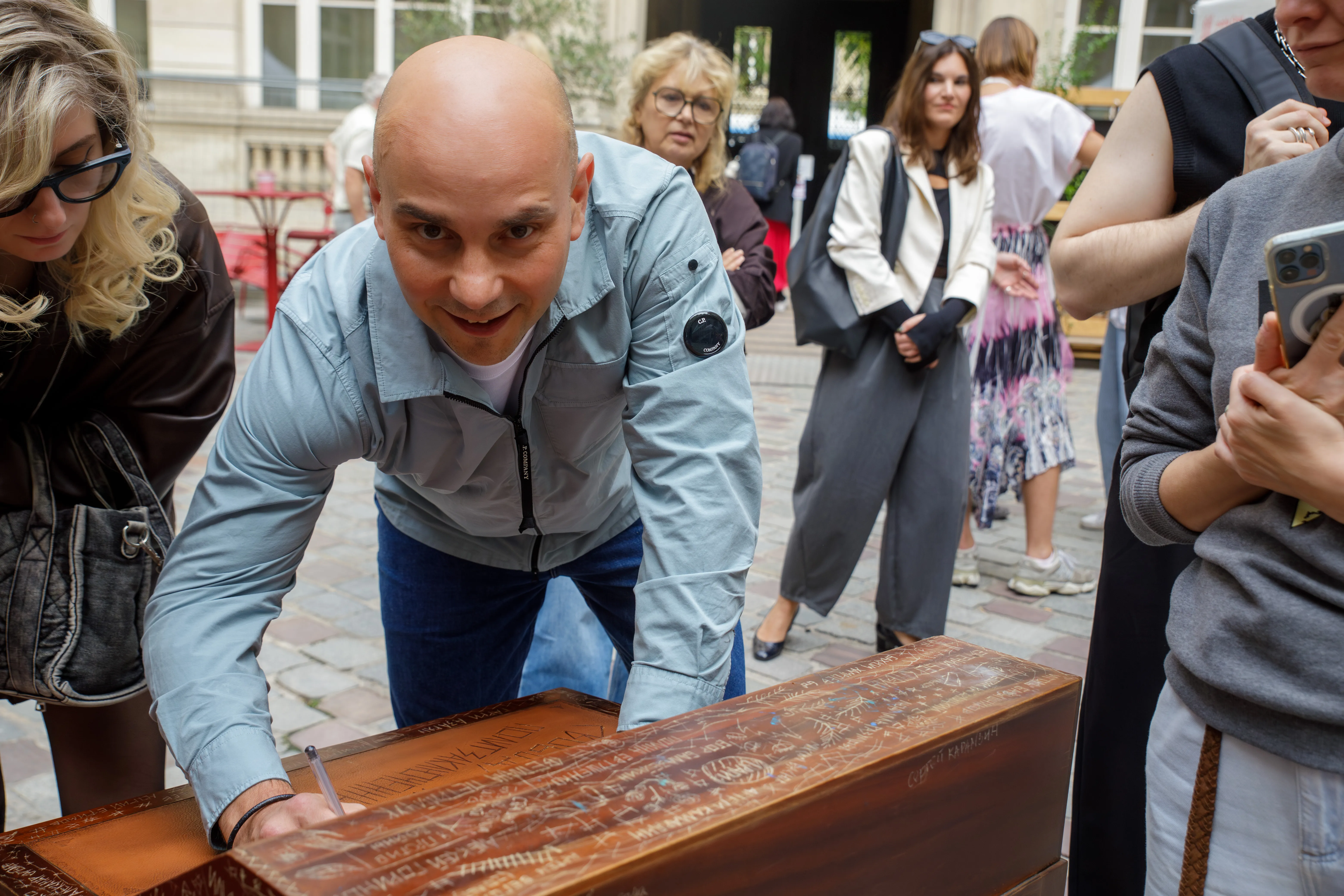
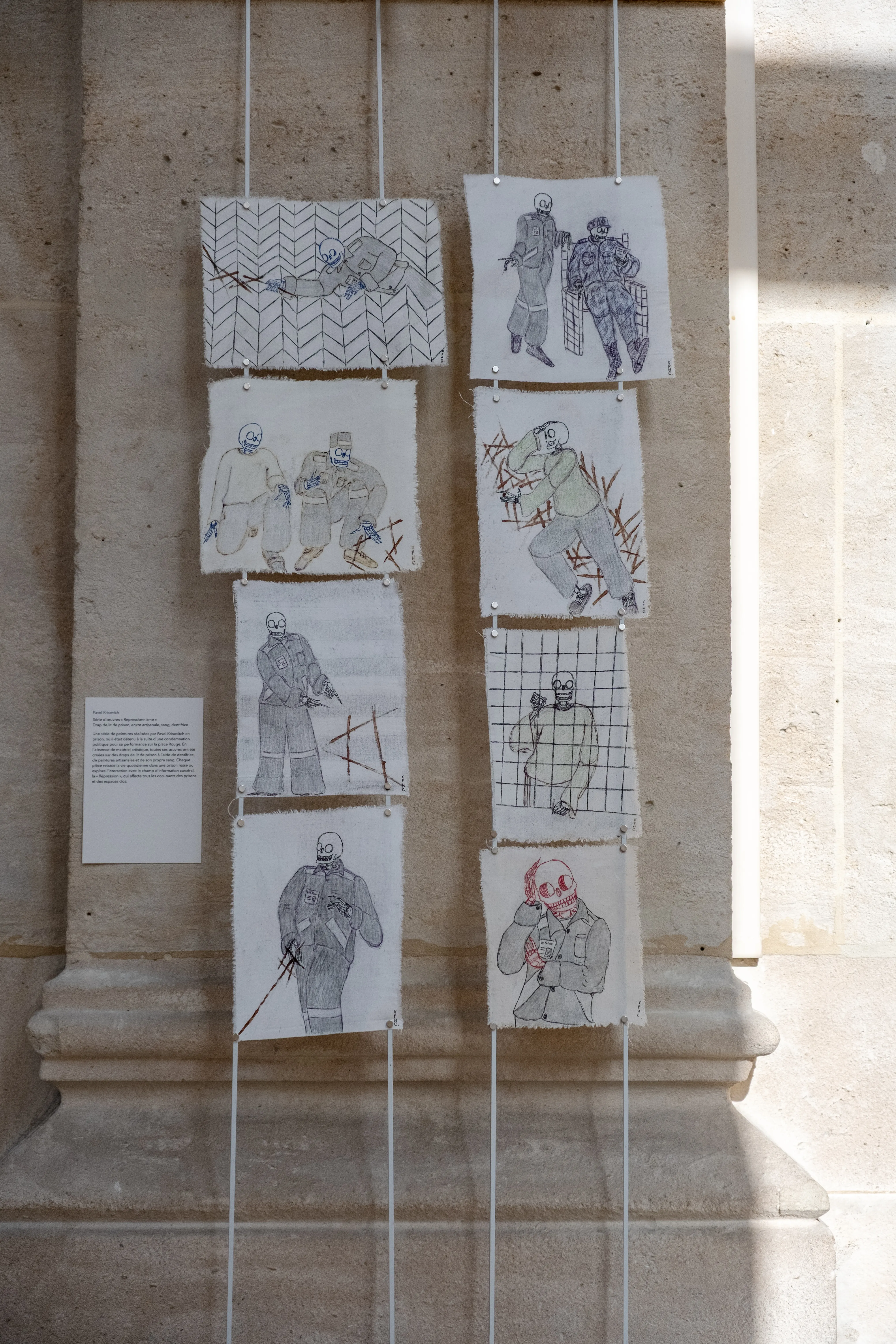
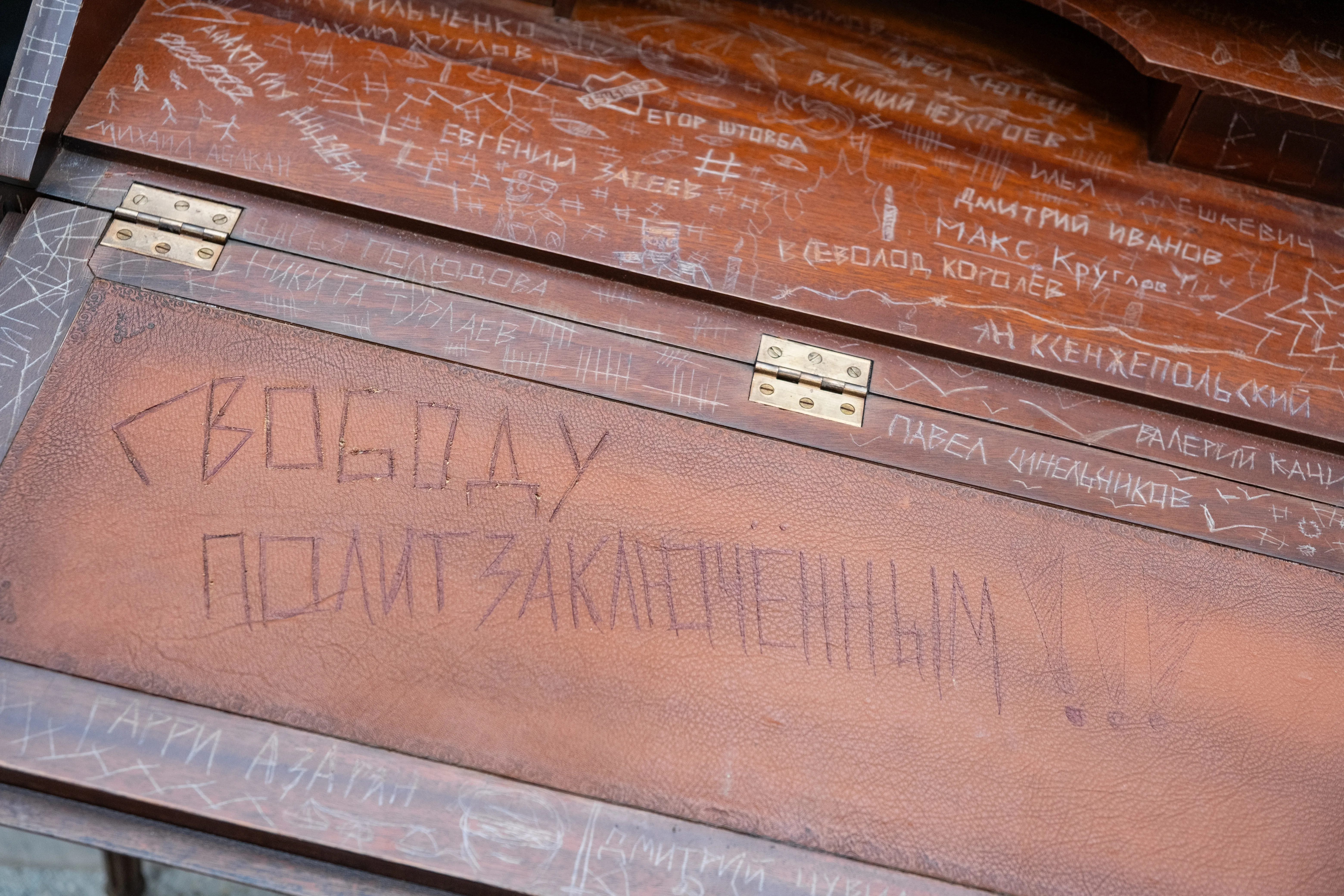
Pavel Krisevich, a Russian artist and former political prisoner, presented a participatory performance in which he engraved the names of Russian political prisoners onto an antique chest of drawers, inviting each participant to leave their own mark as a gesture of solidarity.
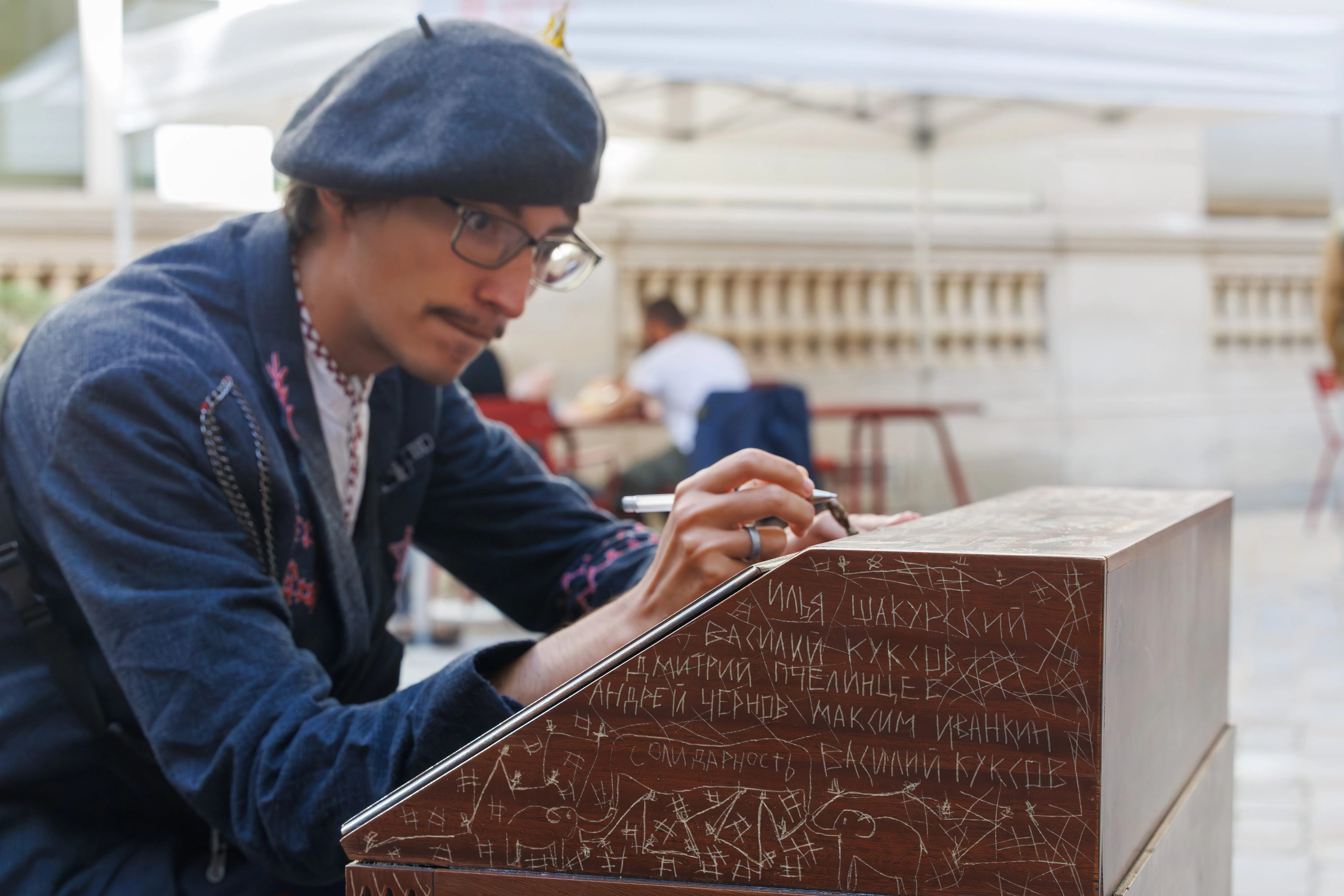
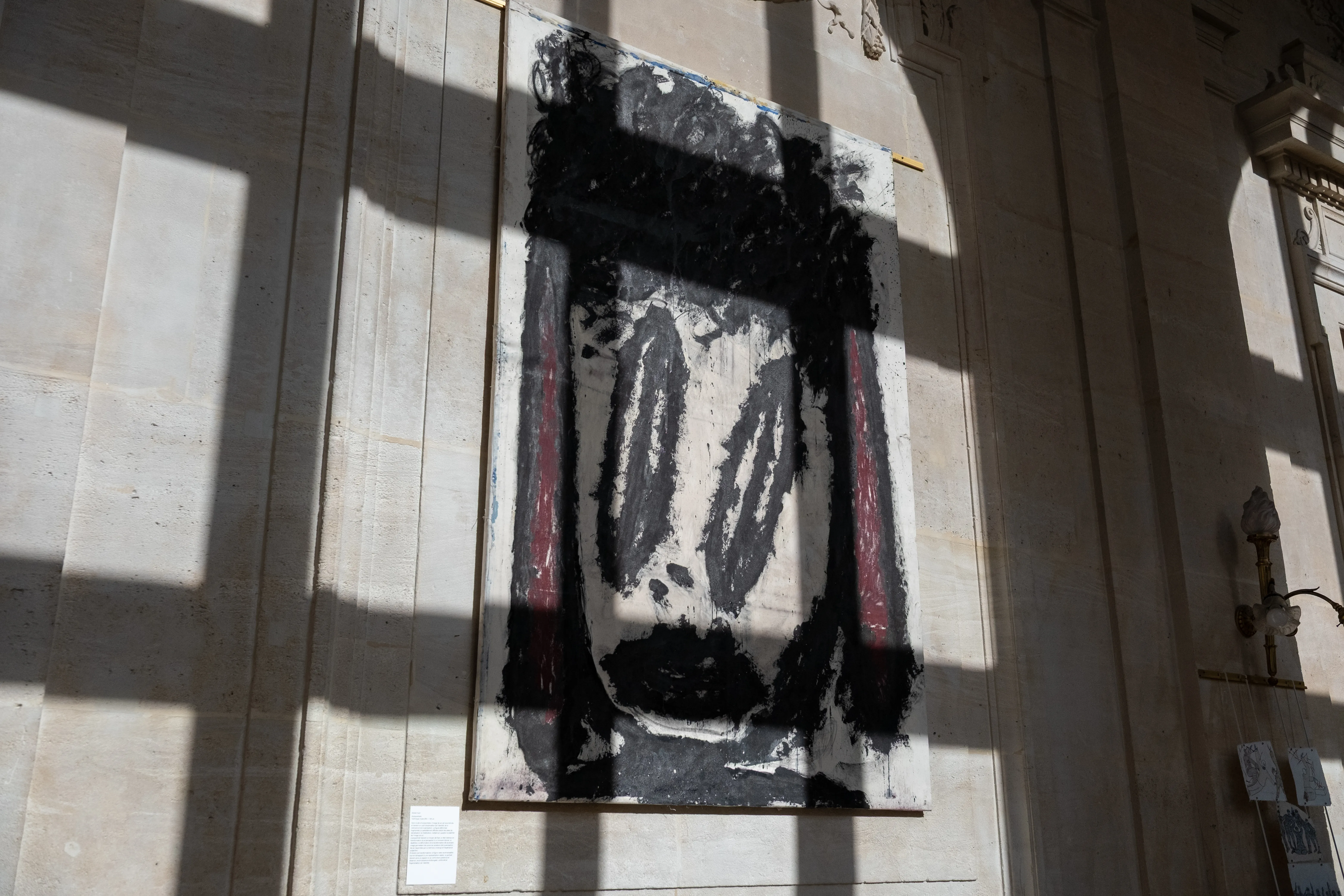
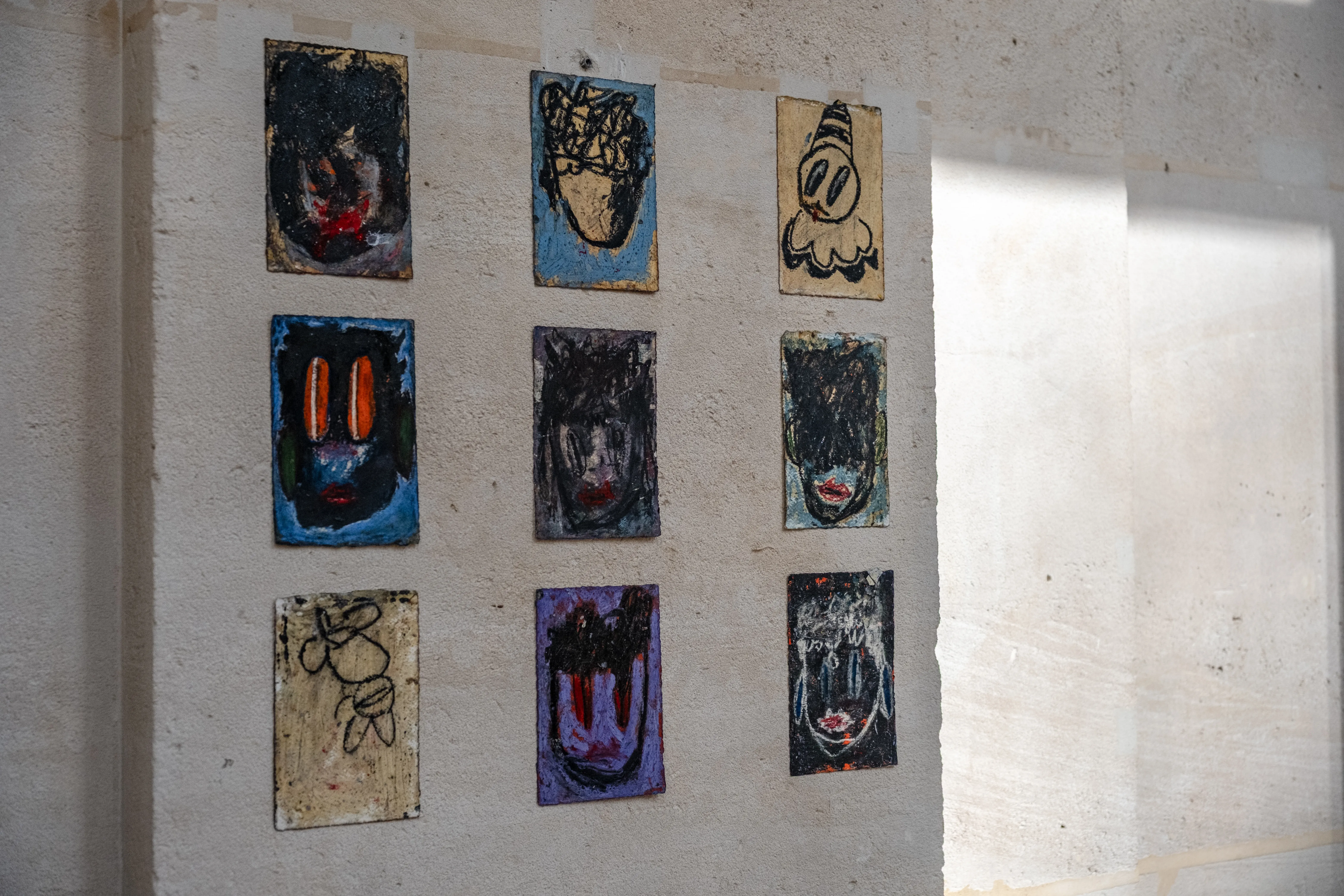
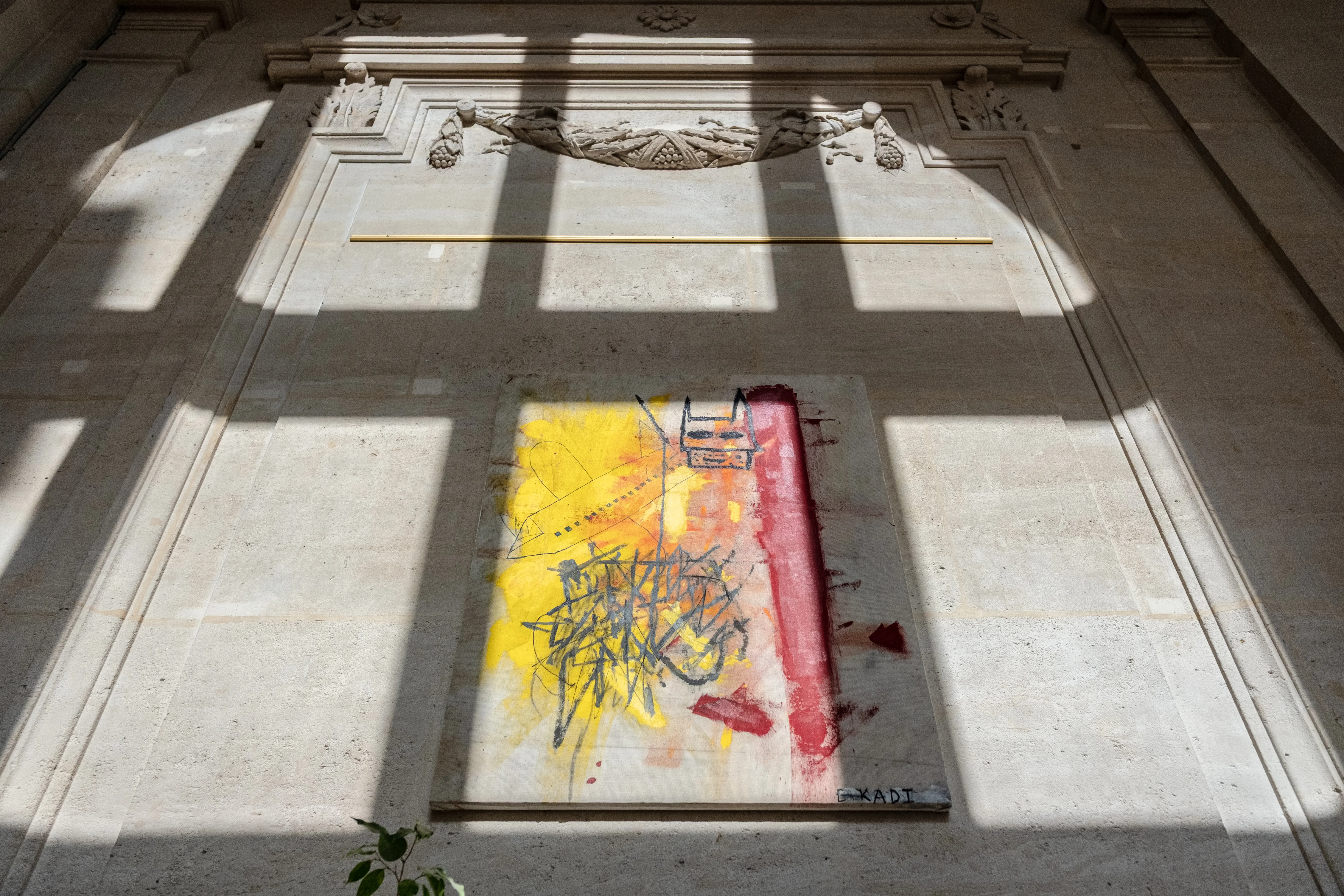
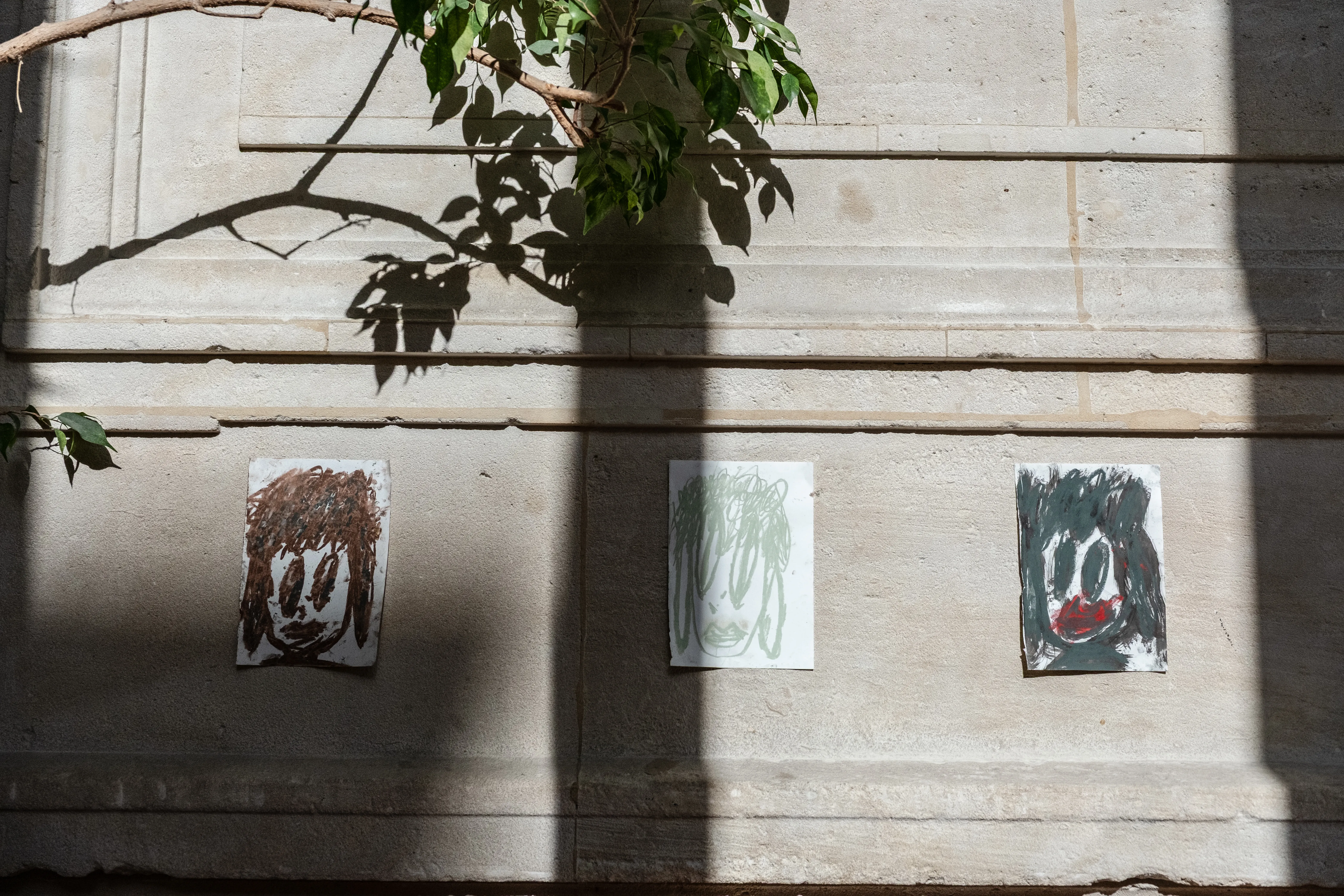
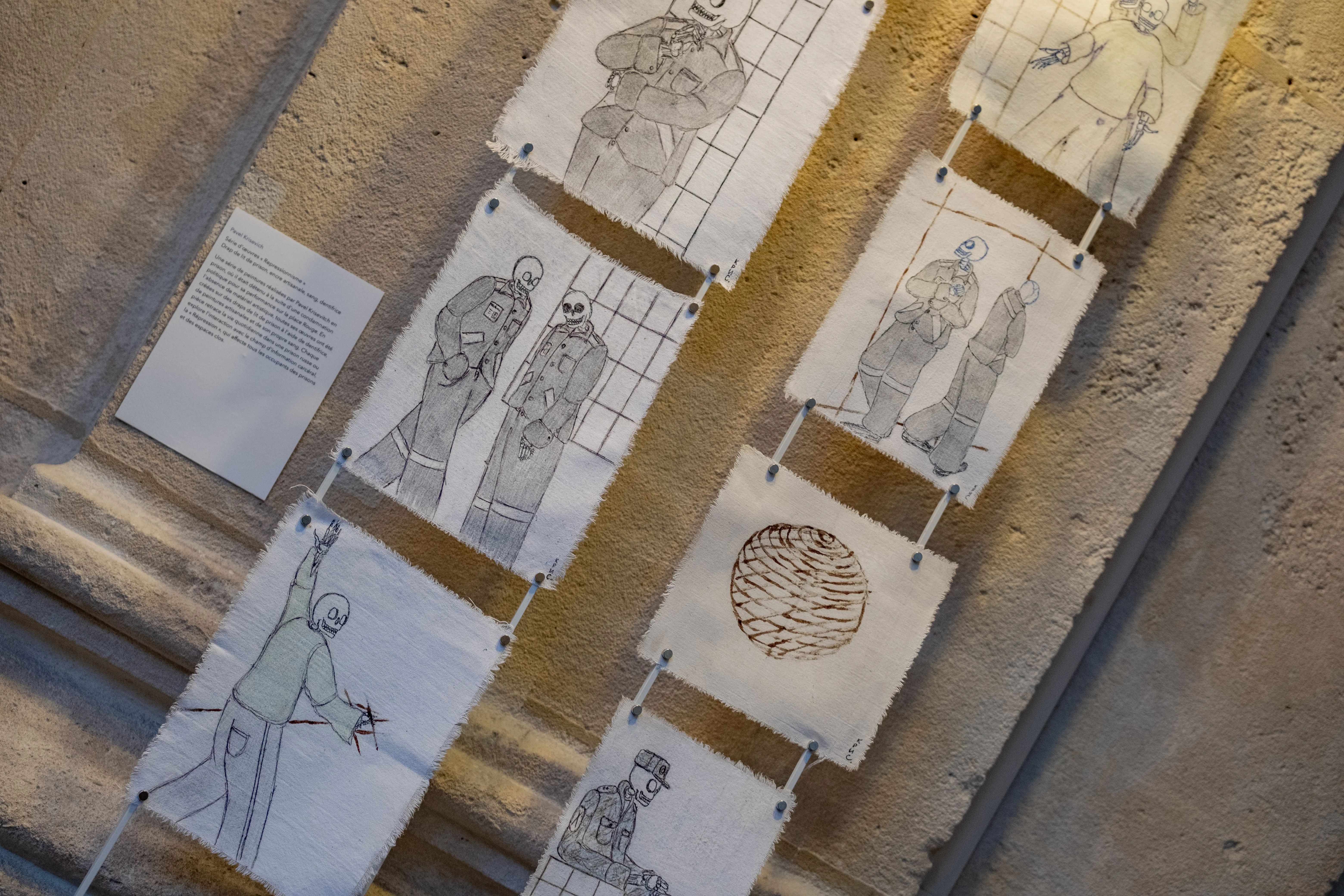
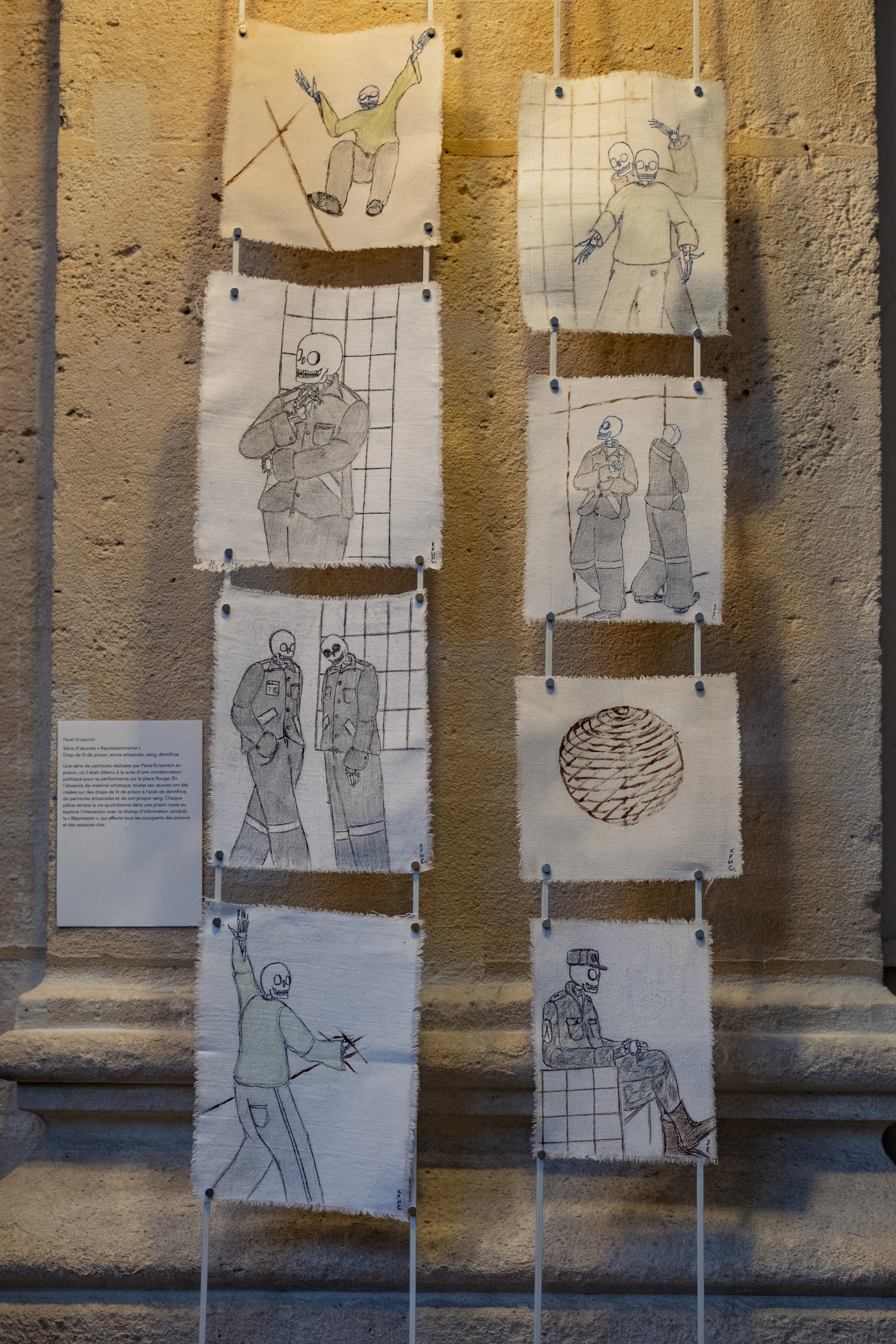
An exhibition also brought together three artists with distinct backgrounds : Pavel Krisevich, whose works of « Repressionism » were created in detention on prison bedsheets using his own blood, toothpaste and homemade ink ; Kadi, a Ukrainian-Palestinian artist whose Self-Portraits series explores identity, memory and self-perception; and Vlada MV Picture, Russian artist in exile whose creations explore hope, freedom and the search for a new home.
Replay
Building the World After
The Forum Russie-Libertés 2026 brought together voices from politics, journalism, law and environmental advocacy around a shared goal: working towards a just peace in Ukraine, a democratic Russia and a safer Europe.
The discussions highlighted the importance of collective action in response to Kremlin interference, political repression and crimes committed in Ukraine, while reaffirming the need to support democratic forces and defend human rights and environmental rights.
Russie-Libertés warmly thanks its partners for their support and trust, as well as all the speakers, volunteers and participants who contributed to the success of this year’s Forum.
Because building the world after requires continued dialogue and turning ideas into action, Russie-Libertés will remain committed to a free and democratic Russia, a sovereign Ukraine and a just and lasting peace in Europe.
Thank you all, and see you in 2027 for the next edition of the Russie-Libertés Forum !
Photos by Nikita Mouraviev et Denis Galitsyn.
Replay
Reprises presse :
- 20 ans de la mort d’Anna Politkovskaïa : pour l’opposition russe en exil, la journaliste reste une référence / La Croix / 7 octobre 2026
- Russie : « Une interview dans laquelle je critiquais Poutine peut me valoir 7 ans de prison » (entretien avec Boris Nadejdine) / 20 Minutes / 5 octobre 2026
- Guerre en Ukraine : Poutine ne veut pas admettre son « erreur », selon son ancien Premier ministre
Photos