Forum Russie-Libertés 2026 "Le Monde d'après?" - 3 october 2026
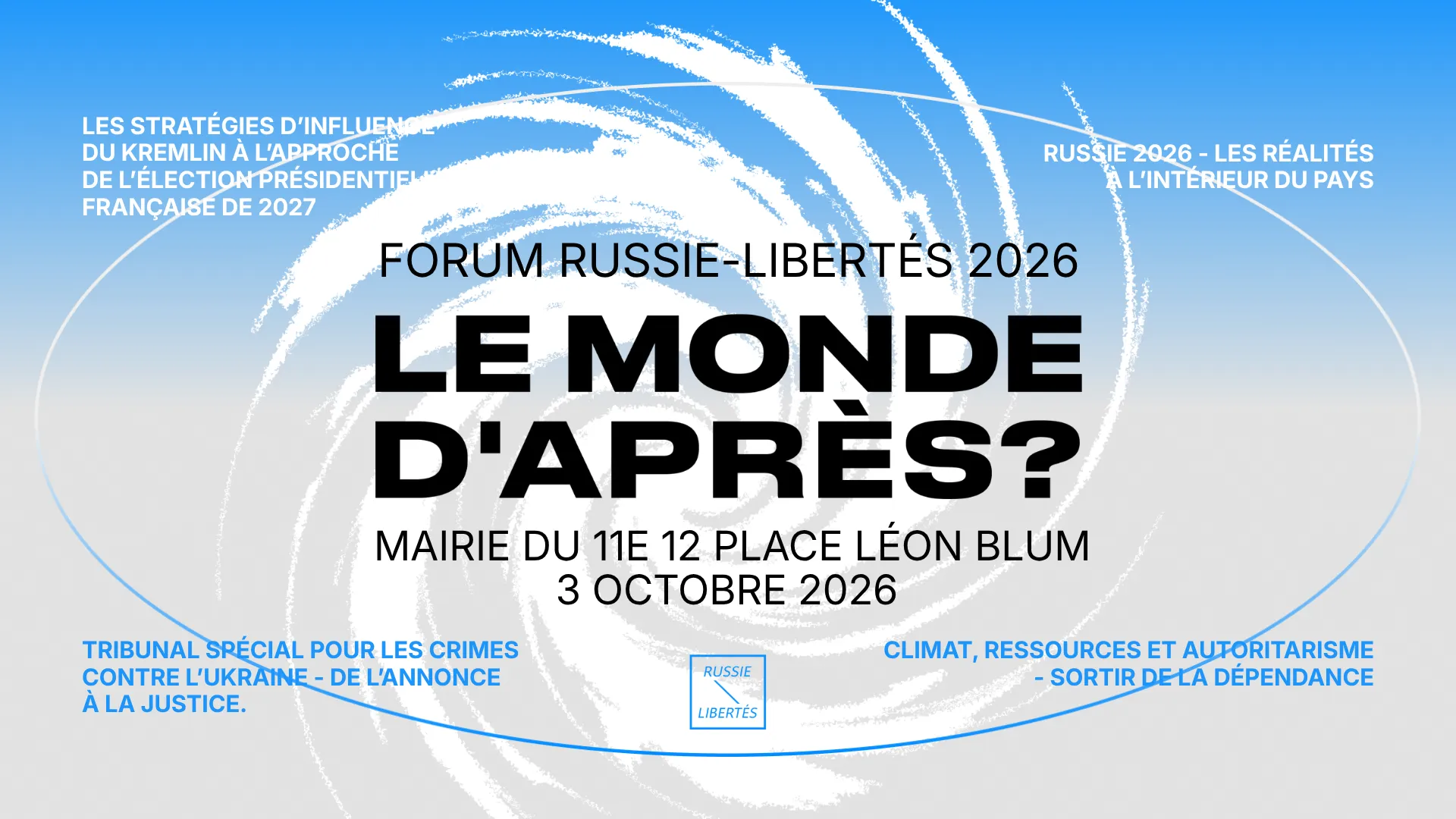
This year, the Russie-Libertés Forum, entitled “What Comes Next?”, will examine today’s realities to shed light on the developments that may shape tomorrow. Through a keynote interview and four panel discussions, the Forum will explore Russia in crisis, amid war, repression and resistance; Kremlin interference ahead of the 2027 French presidential election; justice for crimes committed against Ukraine; and the environmental consequences of the war and the economic model that sustains it.
For any questions, please contact us at forum@russie-libertes.org !
PROGRAMME
10h00-10h15 Opening Remarks and Welcome Address
10h20-11h30 Panel Discussion 1: Interference and Propaganda — Protecting Democratic Debate Ahead of 2027
Ahead of the 2027 French presidential election, this panel will examine Russian strategies aimed at undermining Western democracies.
The speakers will analyse current forms of Russian interference, the channels through which disinformation is spread, and their impact on voters in France and across Europe. The discussion will also explore the tools needed to safeguard democratic debate: detecting and exposing attacks, regulation and sanctions, and a more proactive EU communication strategy focused on protecting citizens, democratic institutions and European ways of life.
Speakers :
- Andrei Soldatov, russian investigative journalist, co-founder of Agentura.ru and Senior Fellow at King’s College London. Co-author, with Irina Borogan, of Our Dear Friends in Moscow: The Inside Story of a Broken Generation (PublicAffairs).
- Luca Minisini, journalist at Le Monde, covering issues related to influence and information.
- Marie Mendras (moderator and expert), Professor at the Paris School of International Affairs, Sciences Po, and author of La guerre permanente. L’ultime stratégie du Kremlin (Calmann-Lévy).
11h40-12h20 Keynote Interview with Mikhail Kasyanov, Former Prime Minister of Russia
Drawing on his experience at the highest levels of the Russian state, Mikhail Kasyanov will share his analysis of possible scenarios for Russia and Europe in the coming years, the risks and consequences associated with these scenarios, and the options for action that remain available. What could these scenarios mean for France and Europe? What strategies should be developed today, and what choices could still influence the course of events? The keynote interview will also address the role and responsibilities of Russia’s democratic forces, as well as the conditions required to bring the war to a lasting end and achieve a just and durable peace for Ukraine and Europe.
Moderator: Denis Kataev, journalist at Dozhd (TV Rain), political scientist and specialist in media, Russian society and European political affairs.
12h20-13h20
13h20-13h30 Tribute to Anna Politkovskaya — 20 Years On
Twenty years after her assassination, this tribute will honour Anna Politkovskaya’s work as a journalist and reflect on Chechnya as a testing ground for Russian practices of repression.
Speakers:
- Abubakar Yangulbaev, lawyer, human rights defender and Chechen opposition activist.
- Anna Victoria Politkovskaya, granddaughter of journalist Anna Politkovskaya and activist.
13h30-15h00 Panel Discussion 2: Russia in 2026 — Realities Inside the Country
This panel will bring together first-hand accounts, political experience and regional expertise to examine the transformations taking place in Russia in 2026, after more than four years of war against Ukraine, as the war increasingly reaches Russian territory and in the aftermath of the State Duma elections.
The discussion will explore the realities of the country not only from a Moscow perspective, but also through experiences and expertise from Russia’s regions. It will address the evolution of political power and repression, the consequences of the war, forms of resistance and the prospects for Russia’s democratic forces, as well as the lessons these experiences and perspectives may offer France and Europe.
Speakers:
- Boris Nadezhdin, Russian politician, former State Duma deputy and anti-war candidate barred from running in the 2024 presidential election, forced into exile in France in 2026 as a result of politically motivated prosecution.
- Natalia Arno, founder and President of the Free Russia Foundation, member of the PACE dialogue platform and a prominent figure in the pro-democracy Russian exile community, dedicated to supporting civil society and political prisoners.
- Representative of NC SOS (North Caucasus SOS), a human rights organisation specialising in the North Caucasus.
Moderator and expert: Irina Borogan, investigative journalist, co-founder of Agentura.ru and specialist in the Russian security services.
15h10-15h40 15h10-15h40 Performance musicale
15h50-17h10 Panel Discussion 3: Special Tribunal for Crimes Against Ukraine — From Announcement to Justice
Russia’s invasion of Ukraine has exposed the limitations of the current international justice system. While the International Criminal Court is investigating crimes committed during the conflict, the establishment of a Special Tribunal for the Crime of Aggression seeks to address a central question: how can those responsible for a war of aggression be brought to justice when existing mechanisms are insufficient?
This panel will examine why this new legal mechanism is considered essential, the challenges that remain in holding senior Russian political and military leaders accountable, and what these developments mean for the future of international law and European security
Confirmed speakers :
- Pierre Raiman, PhD in History (Paris Panthéon-Sorbonne), specialist in totalitarian regimes; co-founder and Vice-President of the association Pour l’Ukraine, pour leur liberté et la nôtre !; organiser of the Ensemble, sauvons les otages ukrainiens campaign, which notably seeks to involve French municipalities in sponsoring Ukrainian civilians detained by Russia.
- Anastasia Shevchenko, Russian human rights activist, former political prisoner and founder of the Through the Wall Foundation; active within PACE alongside Russia’s democratic forces and engaged in efforts to secure the release of captives and ensure accountability for war crimes in Ukraine.
- Cyrille Amoursky (moderator and expert), Franco-Russian journalist and war correspondent, author of Ukraïna. Un peuple en guerre, specialising in Ukraine and the Russo-Ukrainian war.
Additional speakers for this panel will be announced shortly.
17h20-18h30 Panel Discussion 4: Climate, Resources and Authoritarianism — Breaking Free from Dependency
Drawing on the Russian case and its implications for France and Europe, this panel will examine how dependence on natural resources fuels authoritarianism, finances war and hinders the ecological transition. With the effects of climate change already visible and France approaching the 2027 electoral cycle, the discussion will explore Europe’s energy choices, the social and political consequences of extractivism, and the conditions required to genuinely break free from this dependency.
The panel will also consider the role of environmental policy in a future democratic Russia. The transition cannot be postponed until the “post-Putin” era: it requires action today to defend freedom of association, access to environmental data, the rights of local and Indigenous communities, and an economic model no longer dependent on extractive rents.
Speakers :
- Mikhail Krutikhin, independent analyst and specialist in Russia’s oil and gas sector. His work examines the links between energy revenues, political power and Europe’s dependence on Russian hydrocarbons.
- Laurent Coumel, historian at Inalco, specialising in the environmental history of Russia and the Soviet Union.
- Lana Pylaeva, Indigenous and environmental activist and member of the PACE Platform for Dialogue with Russian Democratic Forces.
Moderator: Jade Lindgaard, journalist at Mediapart, Head of its Ecology desk, specialising in energy issues and environmental injustice.
18h35-18h45 Closing Remarks
All speakers will be announced shortly.
Editions précédentes
- Annonce 2025, Résultats 2025
- Annonce 2024, Résultats 2024
- Annonce 2023, Résultats 2023
- Annonce 2022, Résultats 2022
- Annonce 2016, Résultats 2016
- Annonce 2015, Résultats 2015
- Annonce 2014, Résultats 2014
- Annonce 2013, Résultats 2013
- Annonce 2012, Résultats 2012
Photos
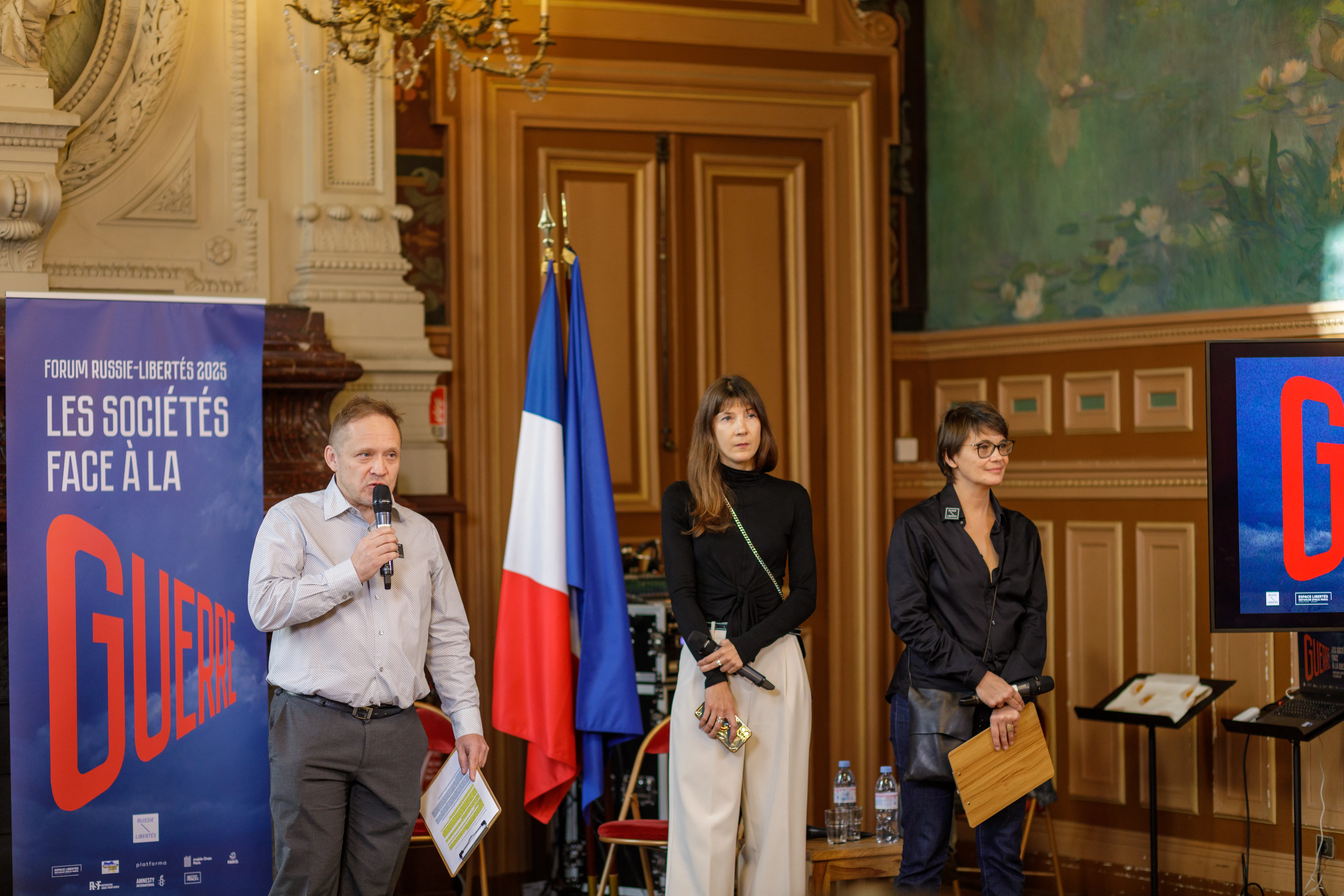
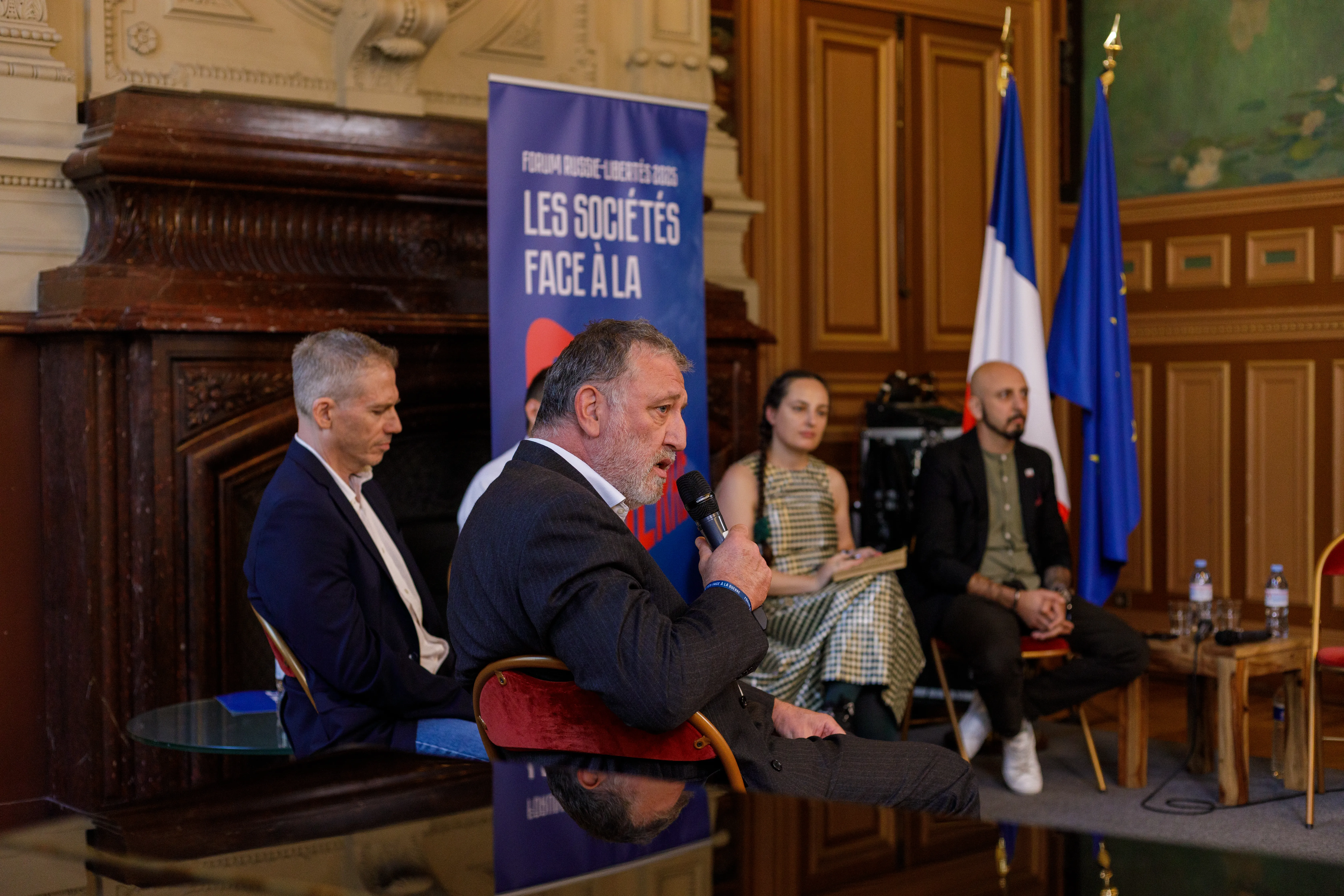
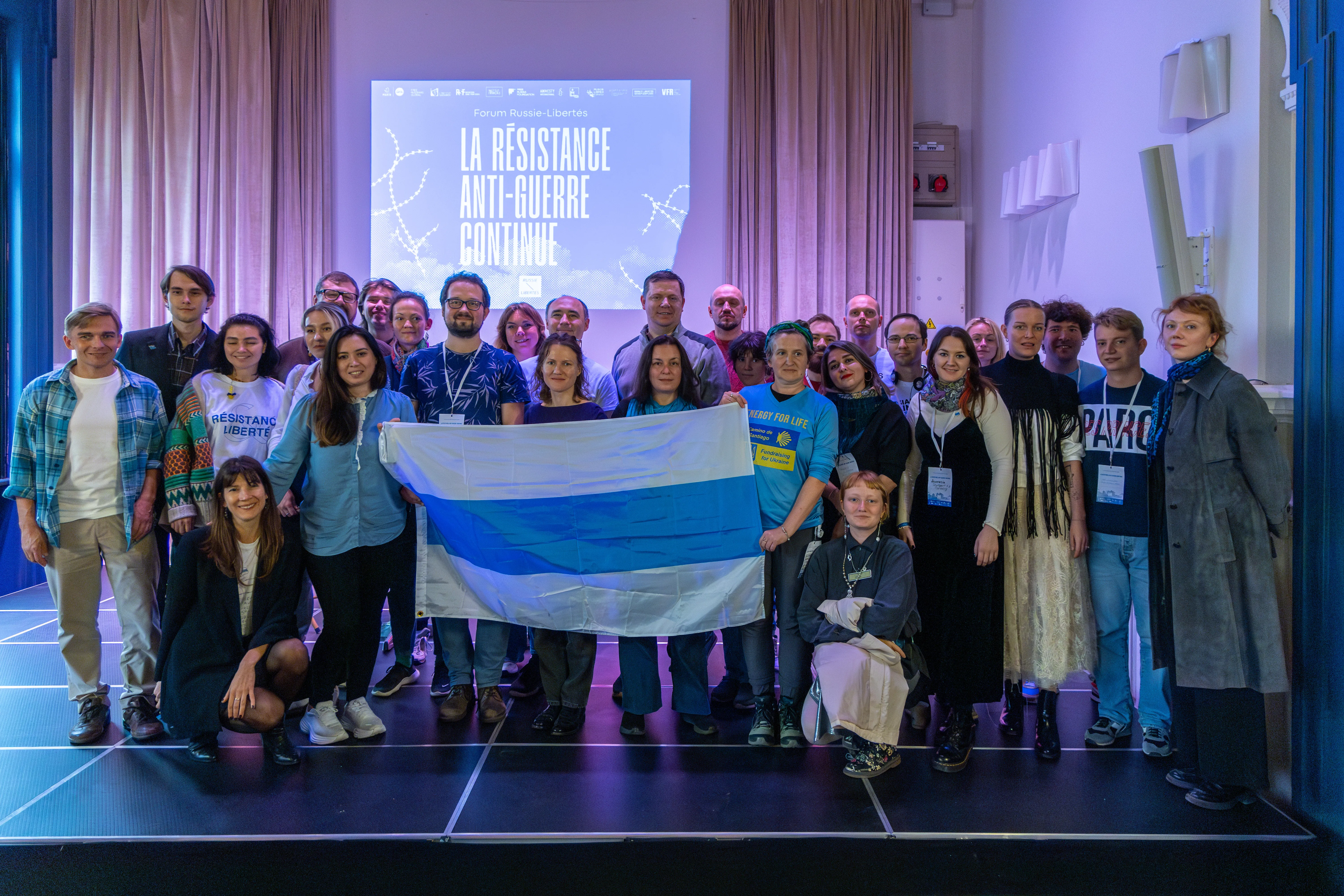
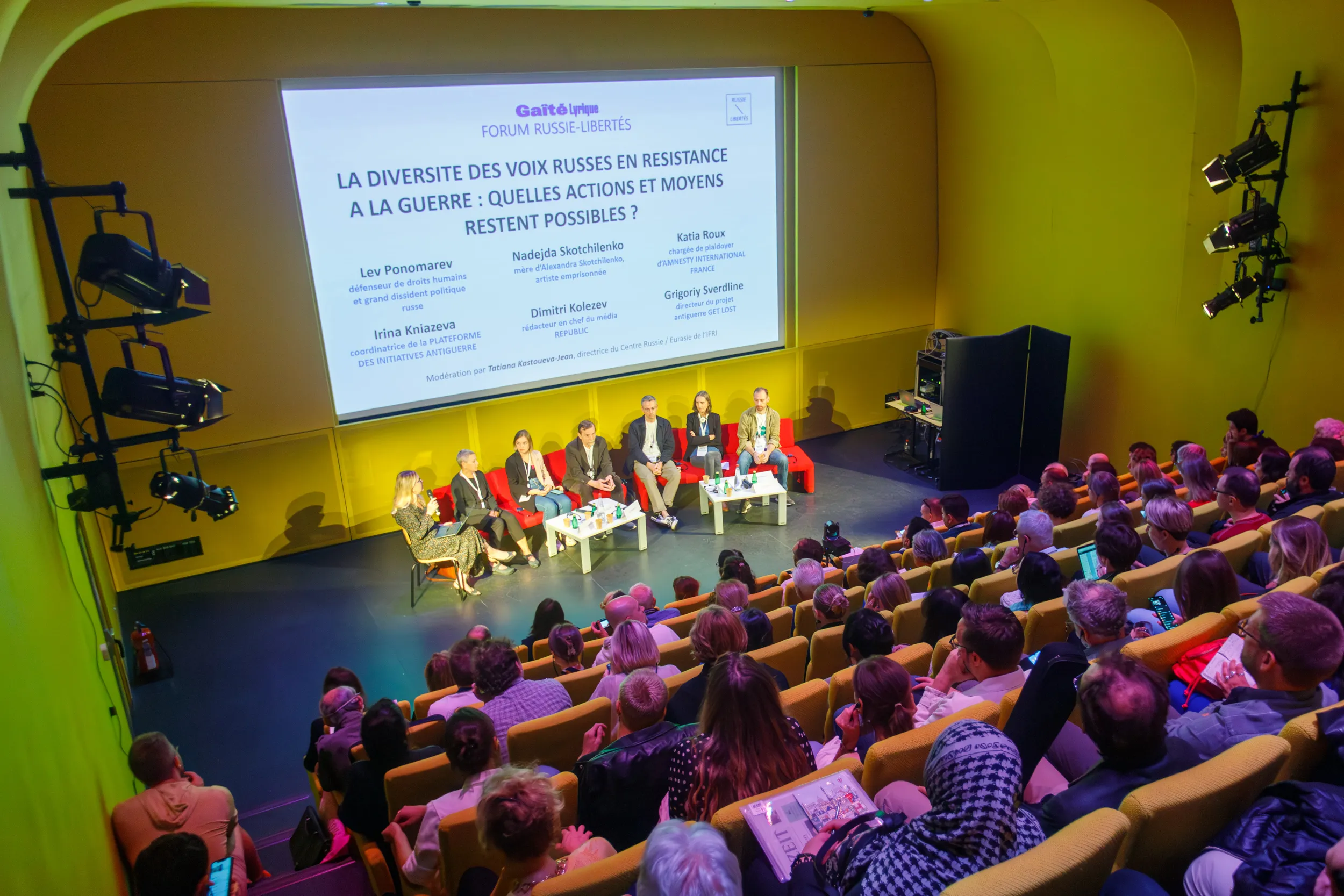
Archive
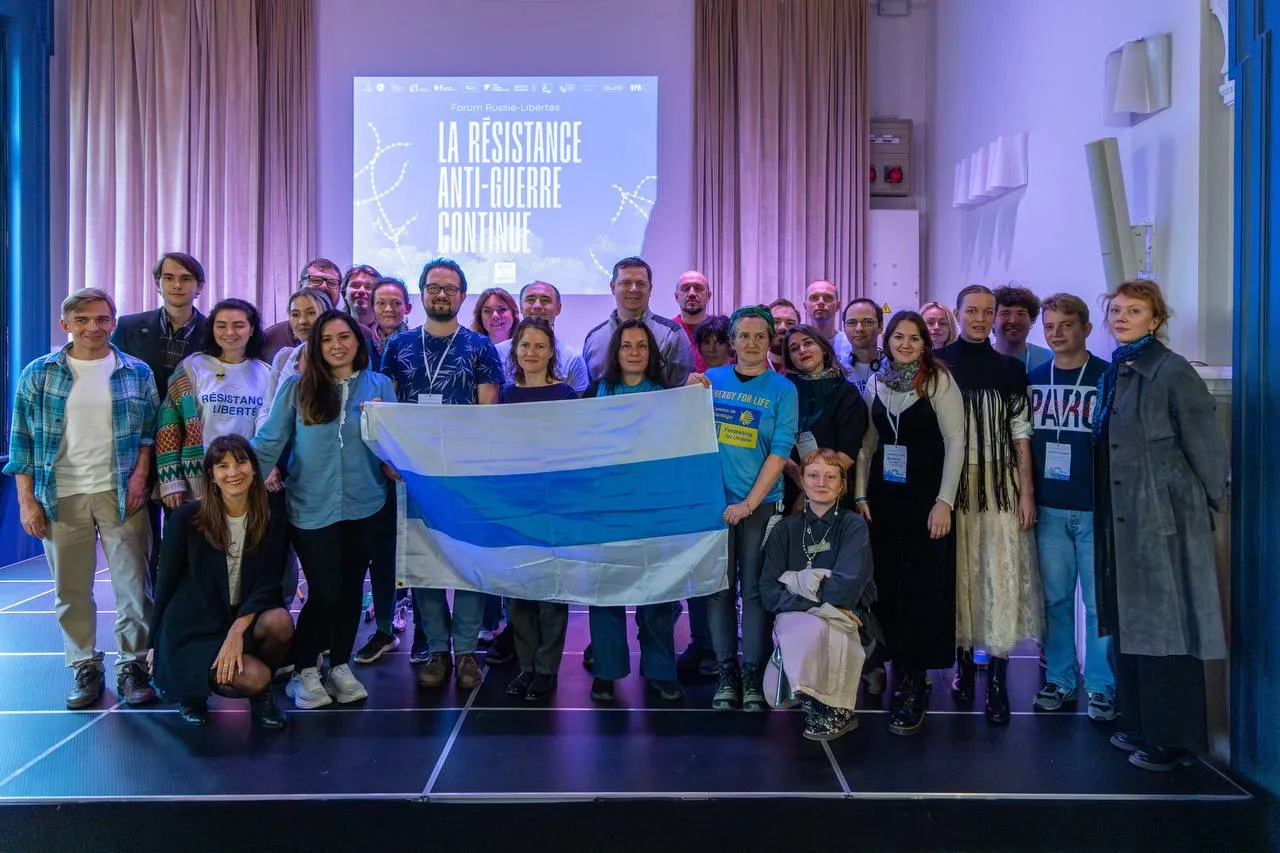
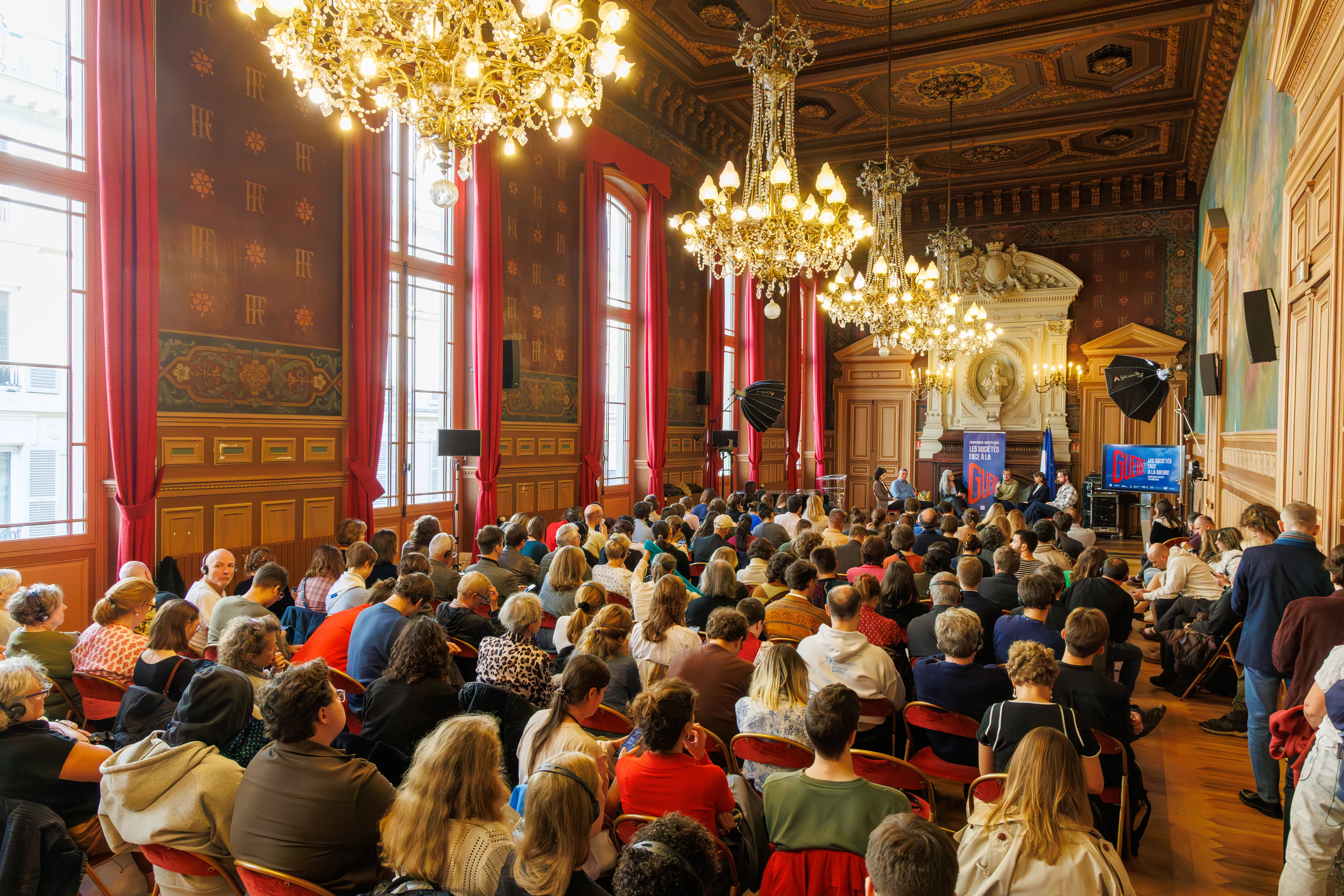
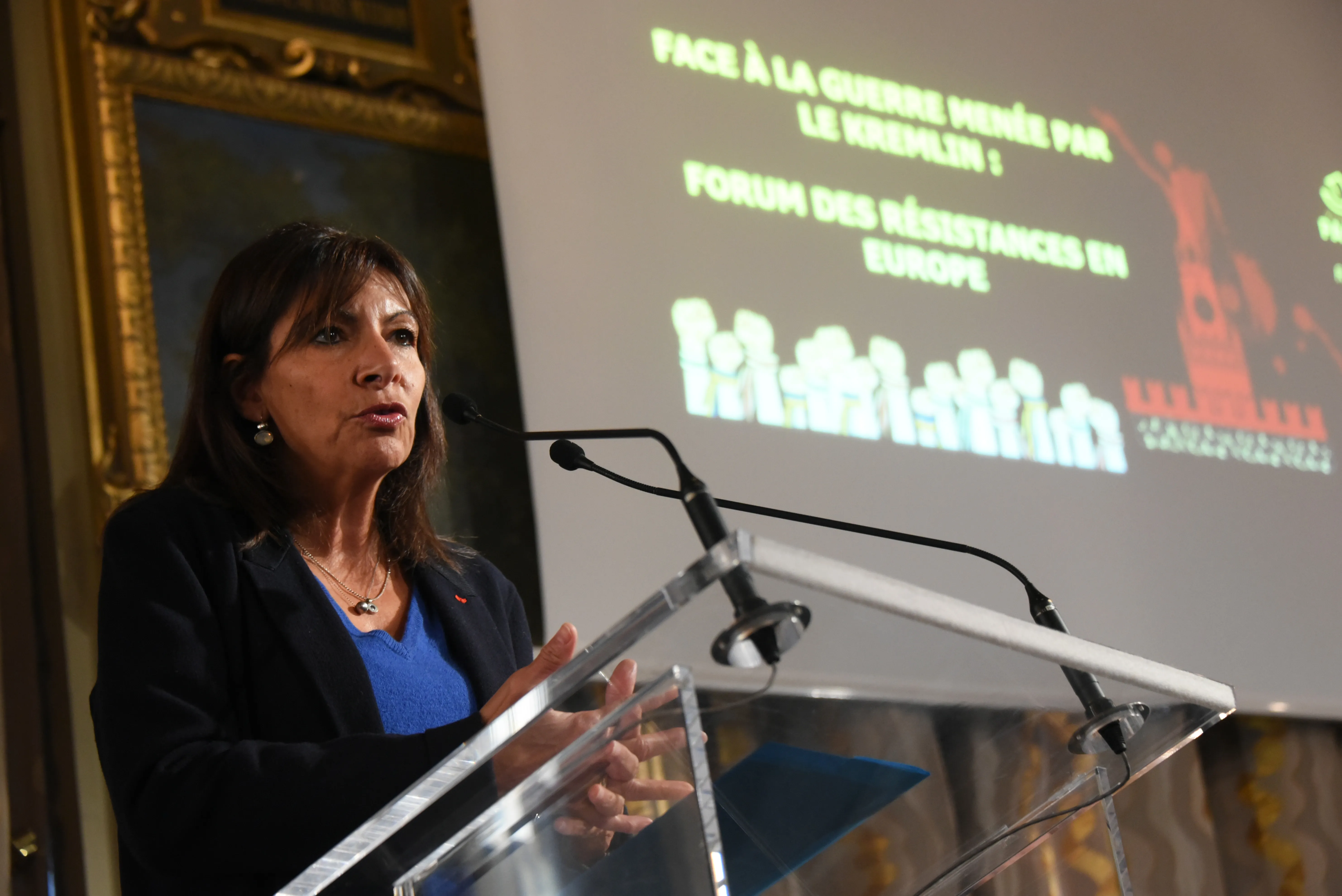
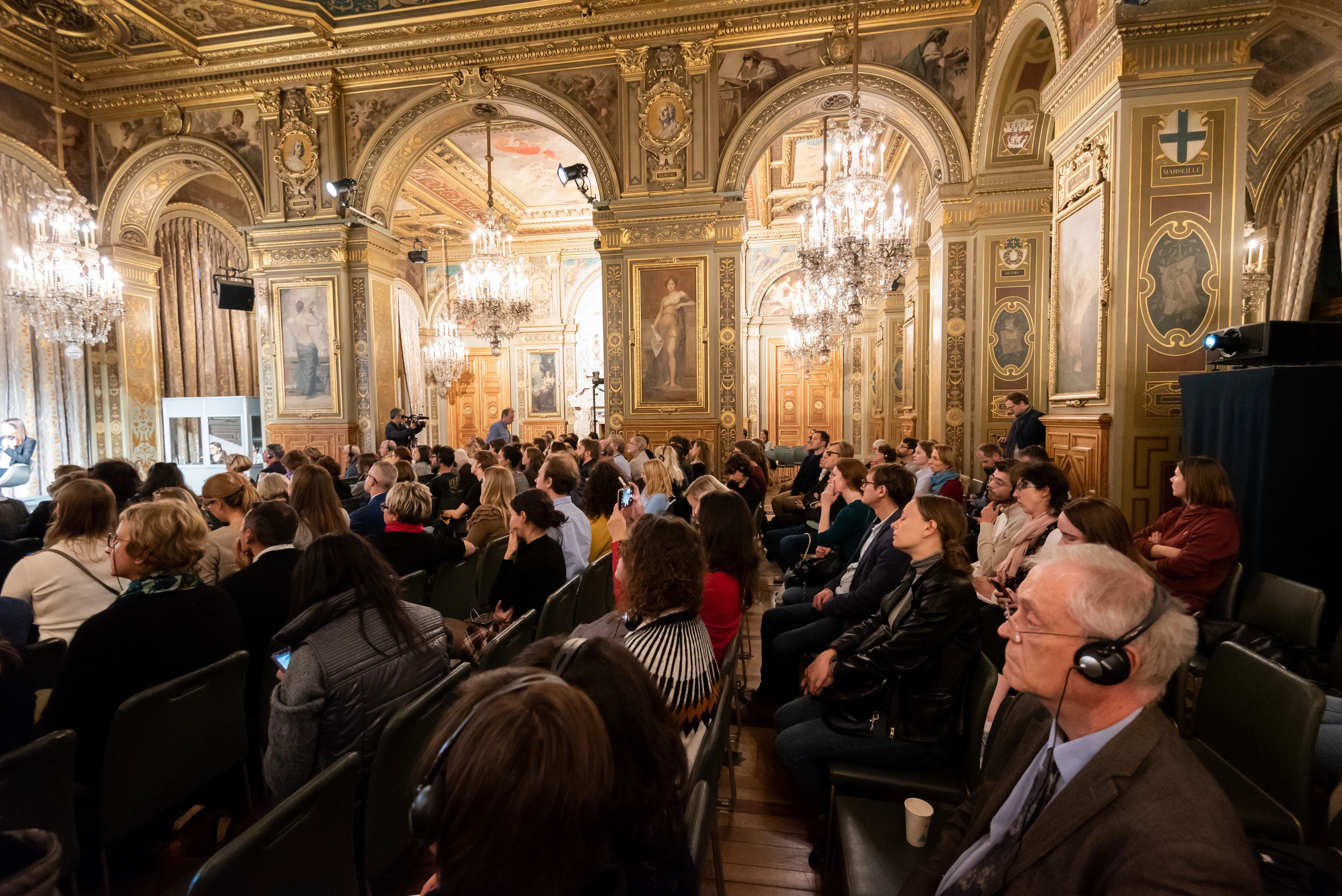
The Russie-Libertés Forum is the association’s flagship annual event, held in Paris for several years at some of the capital’s most prominent venues. More than a conference, it is the public culmination of the work carried out by Russie-Libertés throughout the year in advocacy, protection, humanitarian support and coalition-building. It also provides a unique civic and political space where Russian activists—whether in exile or working from within Russia—can engage with European decision-makers, the media and civil society.
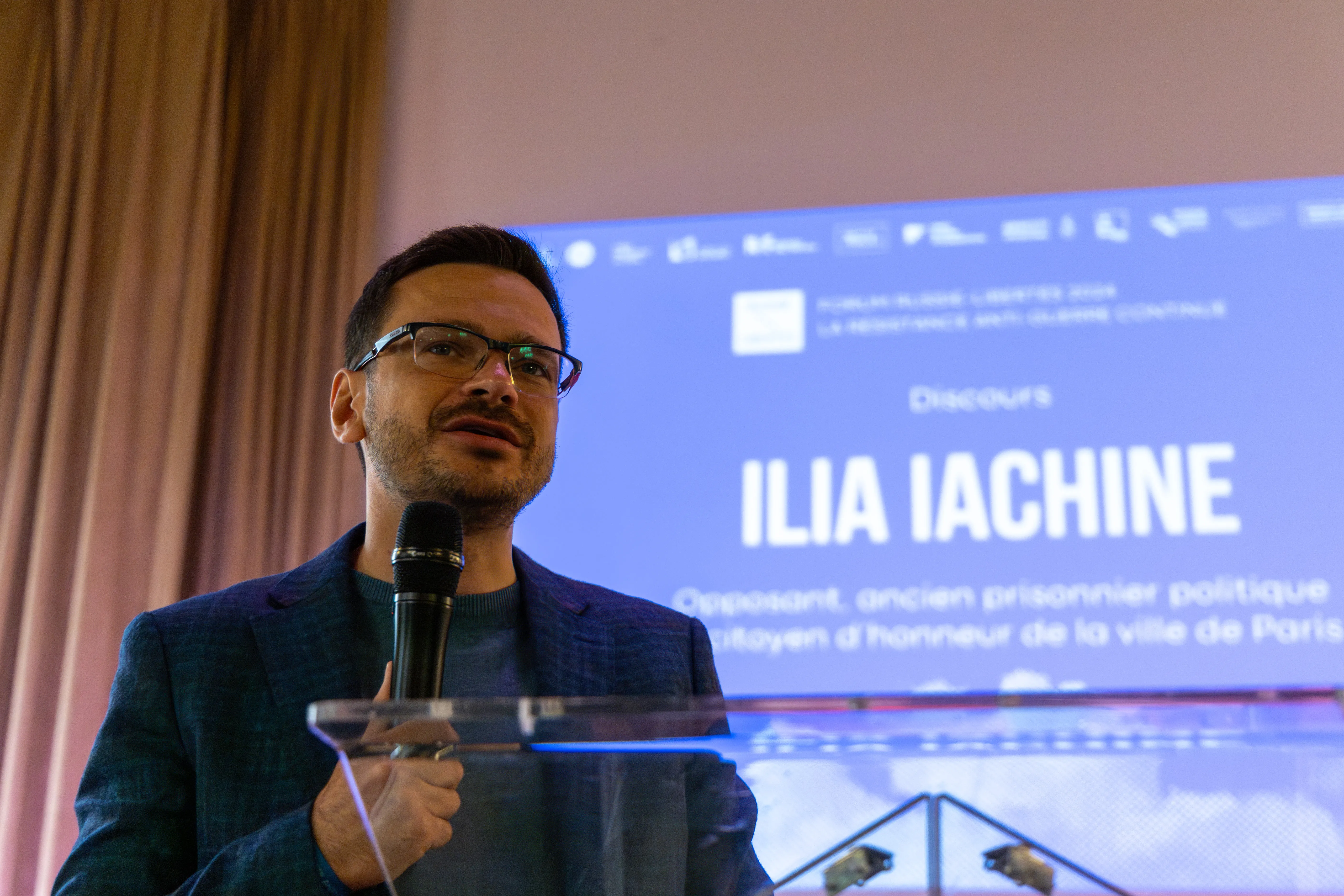
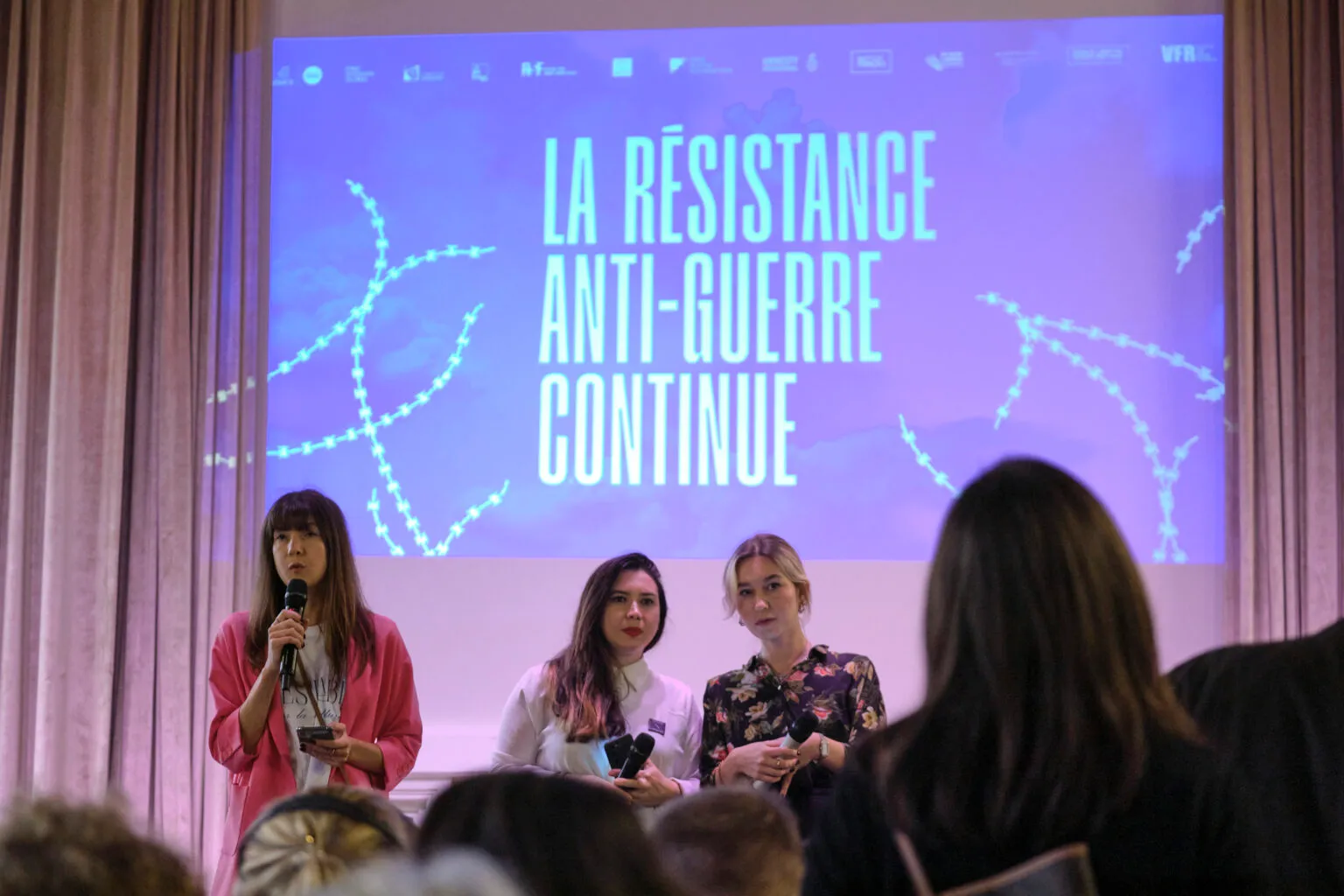
Each edition features public panel discussions, a cultural programme, strategic sessions and institutional dialogue, bringing together activists, cultural figures, independent journalists, opposition figures, human rights defenders and European partners. The Russie-Libertés Forum has welcomed leading experts and prominent public figures from France, Russia, Ukraine and across Europe as speakers and guests of honour. Among the distinguished figures who have taken part are Yulia Navalnaya, Ilya Yashin, Sergey Guriev, Oleksandra Romantsova (Center for Civil Liberties, Ukraine), Natalia Pouzyreff (Friendship Group France-Russie, Assemblée nationale) and Brice Roquefeuil (French Ministry for Europe and Foreign Affairs) during its panel discussions and institutional dialogues.
Each Forum is shaped around the most pressing democratic and civic issues facing Russia at the time, ensuring that it remains a genuine reflection of the movement’s evolving priorities rather than a fixed format repeated year after year. By directly connecting humanitarian protection, civic infrastructure and political advocacy, the Russie-Libertés Forum remains an essential platform for amplifying voices, strengthening capacities and affirming the legitimacy of Russian civil society—both in exile and resisting within Russia—as well as in its dialogue with Europe.